PrepayPower Freezes Winter Energy Prices — But Are Customers Getting a Good Deal?
PrepayPower has pledged not to raise electricity or gas prices before March 2027, after raising bills in June. We examine what is frozen, what is not, and how Irish households can compare actual costs.
 News / Wealth
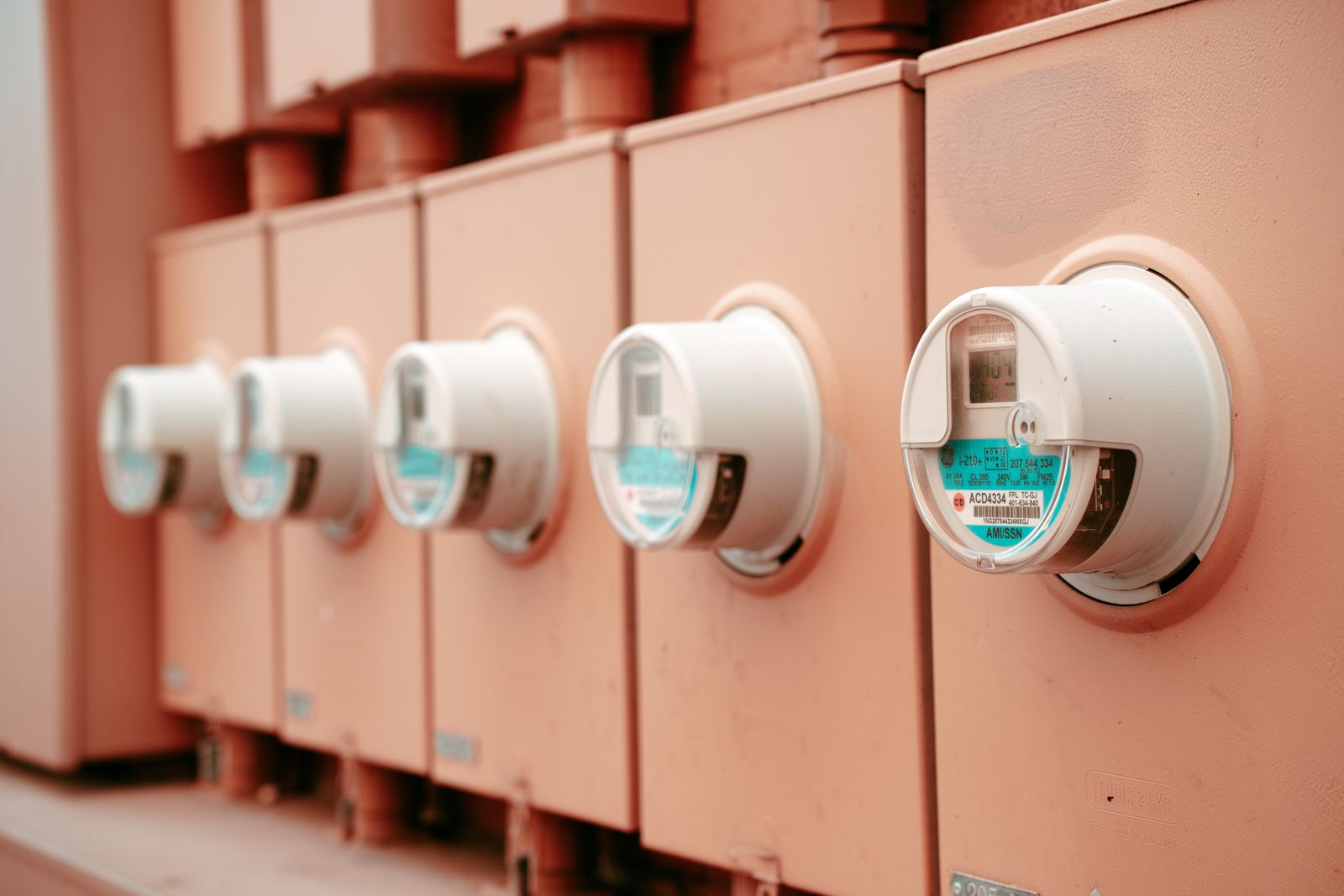
Photo: Connor Scott McManus on Pexels · Illustrative image.
ENERGY NEWS · 13 OCTOBER 2026
PrepayPower has announced a winter freeze on its electricity and gas prices, with no further price increases before March 2027 at the earliest. It is welcome protection against another increase over that period. But it follows 8.8% and 10.6% rises in average electricity and gas bills respectively in June. A freeze is not a price cut — and it is not proof you are on the cheapest plan.
Understand electricity tariffs and the full annual-bill comparison →
PrepayPower has joined the winter price-freeze headlines. The question households should ask is not simply whether prices are staying still, but whether the price being frozen is competitive in the first place.
The pay-as-you-go supplier’s pledge, reported by RTÉ on 13 October, covers electricity and gas prices this winter. Its estimated 200,000 customers are being offered certainty against a further announced price rise before March 2027 at the earliest. The pledge does not mean prices will automatically increase in March.
There is a genuine benefit here: during a period of uncertainty in European energy markets, knowing a supplier does not intend to raise rates can make budgeting easier.
But the more important consumer question is what you will pay for the energy you actually use.
The timeline: a winter freeze after summer increases
| Date | Supplier | What happened |
|---|---|---|
| 1 June 2026 | PrepayPower | Average electricity bills rose 8.8% and gas bills 10.6%, following an announcement in May. |
| 1 July 2026 | Electric Ireland | Residential electricity prices rose 8% and gas prices 7.7%. |
| 11 September 2026 | Electric Ireland | Announced its residential rates and standing charges would stay unchanged for the rest of 2026. |
| 13 October 2026 | PrepayPower | Announced a winter electricity and gas price freeze, with no further increase before March 2027 at the earliest. |
Sources: RTÉ on the PrepayPower June increases, Electric Ireland’s July price changes, Electric Ireland’s September freeze announcement and RTÉ’s 13 October energy coverage.
These suppliers have not committed to identical freeze periods. Electric Ireland’s published commitment covers the remainder of 2026; PrepayPower’s new announcement extends its no-increase pledge until March 2027 at the earliest.
What does a price freeze actually freeze?
A tariff price freeze generally means the supplier is pledging not to raise the relevant announced rates during the specified period. It does not necessarily mean:
- your total bill will remain unchanged;
- a rate increase made earlier in the year has been reversed;
- the plan is cheaper than competing tariffs;
- electricity usage will be the same in a colder month;
- every tax, levy or third-party charge is guaranteed unchanged; or
- your terms after the freeze will stay the same.
Winter bills can be higher even without a change in unit prices because households use more lighting, heating, hot water or appliances. Ask your supplier exactly which unit rates, standing charges and pay-as-you-go fees the pledge covers.
For context, PrepayPower’s June rises were expected to add about €168 a year to a typical electricity bill and €170 a year to a typical gas bill, according to the estimates it supplied at the time.
Those were estimated yearly effects of June’s price increases, not charges introduced by the October freeze. A household with both fuels could experience increases in both, but its actual usage, tariff and billing terms determine the total.
A €300 example: why ‘frozen’ does not mean ‘cheapest’
Imagine two comparable plans for the same household, meter type and annual consumption:
| Plan A: frozen | Plan B: alternative | |
|---|---|---|
| Illustrative total annual cost | €1,800 | €1,500 |
| Price freeze? | Yes | Not assumed |
| Difference over a year | €300 more | €300 less |
These are deliberately illustrative numbers, not current PrepayPower or competitor quotations.
A household could pay €300 more per year for the security of an unchanged advertised rate than it would on a lower-priced alternative. That is not a reason to dismiss the value of certainty. It is a reason to price that certainty properly.
Even a relatively small unit-rate difference adds up. At 4,200 kWh of electricity a year, a 5c/kWh difference is €210 in annual unit charges alone, before comparing standing charges, service charges, discounts or VAT treatment. The 4,200 kWh figure is a common comparison benchmark, not a prediction of your own usage.
This is exactly why an electricity contract should be compared by estimated annual cost, not an attention-grabbing discount or price-freeze headline.
How to compare PrepayPower with other suppliers fairly
First, take your actual annual electricity usage in kWh from your bills or smart-meter records. Then gather the following for your current plan and any alternative:
| Check | Why it matters |
|---|---|
| Unit price | A few cent per kWh can become hundreds of euro across a year. |
| Standing charge | You pay this daily even when electricity use is low. |
| Prepayment/service fees | Include any charges specific to your PAYG arrangement. |
| Discounts and welcome credits | Separate one-off first-year incentives from ongoing rates. |
| Smart-meter time bands | Night, day and peak prices can change the result substantially. |
| Contract term and exit fees | A cheaper rate may carry conditions if you leave early. |
| Gas and electricity separately | A dual-fuel headline is not automatically the cheapest combination. |
The regulator, the Commission for Regulation of Utilities, recommends using one of its approved comparison websites, such as Bonkers.ie, Switcher.ie, PowerToSwitch.ie or EnergySwitch.ie. Confirm any shortlisted plan’s current rates with the supplier before switching.
Our guide to electricity tariffs in Ireland explains how 24-hour, day/night, smart and EV tariffs should be compared. If you do not know your usage, start with how much electricity an Irish home uses.
If the price is frozen, can I still lower my bills?
Yes. The fixed price per unit is only one part of your electricity spending.
One practical route is to use less purchased electricity. Our Electricity Cost Calculator shows the running cost of appliances such as heaters, immersion systems and dryers at your own unit rate.
For homes with flexible consumption, shifting energy use to lower-cost periods may be worthwhile if the overall smart tariff makes sense. The correct answer depends on your actual day, peak and night usage, not the supplier’s headline lowest rate.
Longer-term choices can include improving insulation, installing solar or reviewing whether a home battery makes financial sense. These involve capital costs and are not instant substitutes for securing a competitive tariff.
If you are exploring that route, use the Compound Solar Hub to understand the options, the Solar Payback Calculator to test different assumptions, and the solar quote comparison guide before speaking with an installer.
New winter protections for households struggling to pay
Price freezes will not solve financial difficulty for every household. On 12 October 2026, the CRU announced enhanced protections for winter 2026–27.
Among the measures:
- Repayment plans for arrears must reflect ability to pay, make upfront payments optional, and allow at least 18 months to repay debt.
- The maximum share of a prepayment-meter top-up used to recover older debt remains 15%.
- Emergency credit on prepayment meters remains €20.
- Suppliers must place customers with financial hardship meters on their lowest-cost tariff.
These are regulatory protections, separate from PrepayPower’s commercial price announcement. If you are falling behind, contact your supplier rather than letting the balance build. Our guide to energy-bill arrears in Ireland explains the options.
Budget 2027 did not announce a new universal electricity credit; see our winter electricity-bill analysis for the confirmed supports and illustrative costs.
The bottom line
A price freeze can be good news without being the best available deal. PrepayPower customers gain a period of certainty against further announced increases, but that promise does not undo the price rises of June 2026.
For Irish households, the correct comparison is straightforward: What would the same amount of electricity or gas cost me over a full year with each supplier, including every relevant charge and discount?
That is a more useful measure of value than whether a supplier can put the words price freeze in a headline.