No Energy Credit in Budget 2027: What Will Electricity Cost This Winter?
Budget 2027 includes no new electricity credit. What the Fuel Allowance, changing tariffs and winter consumption mean for Irish households — with worked bill scenarios and links to calculators.
 News / Wealth
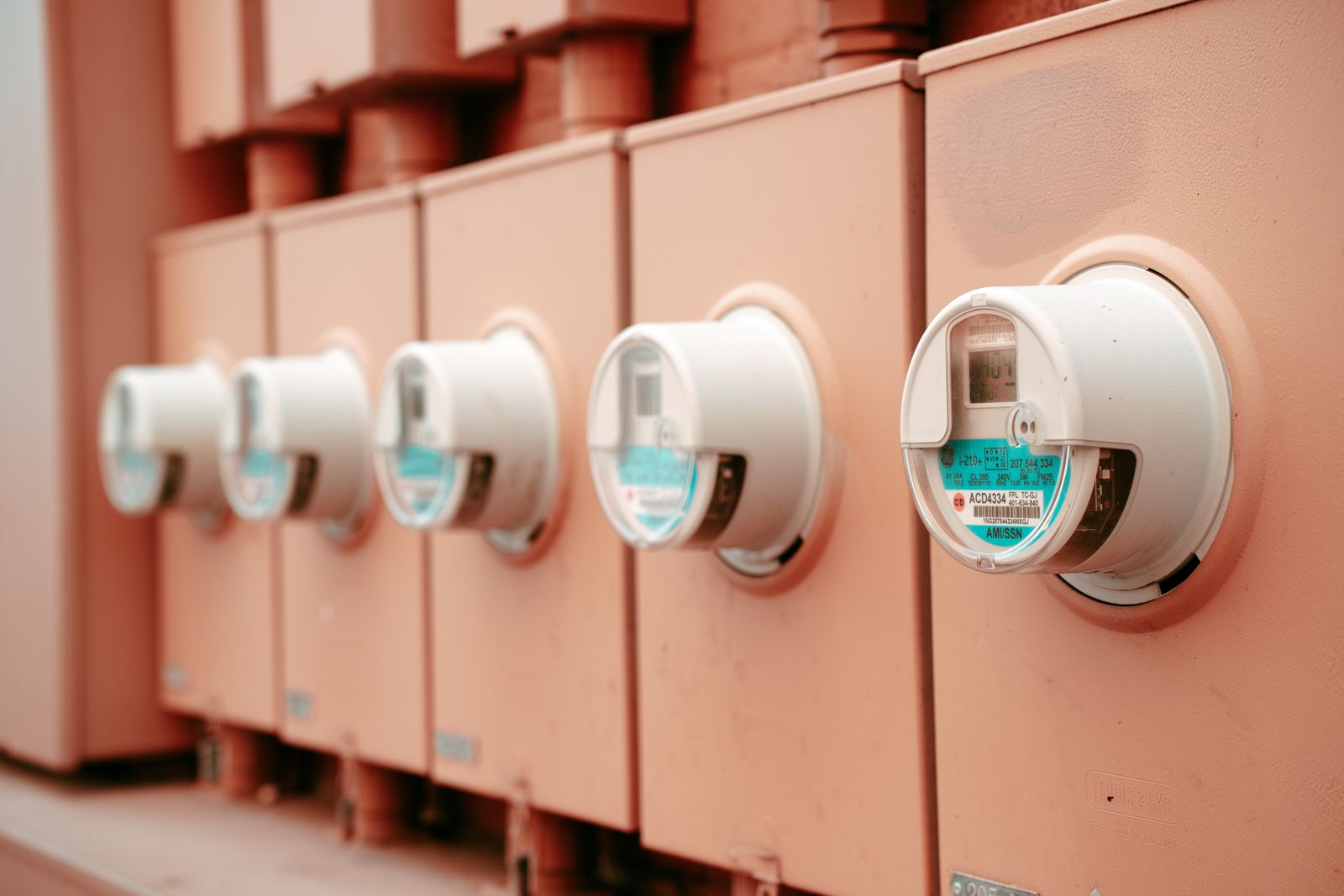
Photo: Mikhail Nilov on Pexels · Illustrative image.
Budget 2027 · Updated 12 October 2026
No new €400 or universal electricity credit was announced in Budget 2027. The Government increased the Fuel Allowance by €5 a week for eligible recipients, but most households will still need to budget for electricity using their own supplier rates and consumption.
To estimate the running cost of an electric heater, immersion or other appliance, use the Electricity Cost Calculator →
A €400 electricity credit could have taken a noticeable bite out of a winter bill. Budget 2027 did not deliver one.
That does not mean there was no energy support at all. But there is an important difference between a direct credit that automatically reduces a household’s electricity bill and a targeted benefit, a tax change on other fuels or a grant for upgrading a home. RTÉ’s Budget 2027 analysis confirms that no additional energy credits were announced.
The practical question is now: how much could electricity cost during winter 2026–27, and which decisions actually change that number?
What Budget 2027 did — and did not — announce
| Measure | Confirmed position | What it means |
|---|---|---|
| New universal electricity credit | None announced | Do not subtract a hypothetical €400 credit from your bill. |
| Social Democrats’ proposed €400 credit for households under €70,000 | Not adopted | It was an opposition proposal, not a payment scheme. See our updated explainer. |
| Fuel Allowance | Up €5 a week, to €43, for eligible recipients | A targeted household support; not a general electricity-bill credit. |
| Home-heating carbon tax | Budget announced a reduction for home-heating oil and gas | Check the relevant tax change; this is different from a direct electricity credit. |
| Solar and energy-upgrade grants | Enhanced SEAI measures announced before Budget, with eligibility rules | Potential longer-term savings, generally involving an application and/or capital work. |
The Budget Statement confirms the Fuel Allowance increase; SEAI details the energy-upgrade grant measures. Exact start dates and eligibility should be checked before applying.
What could an Irish electricity bill cost this winter?
There is no single national household electricity price. Your cost depends on the amount used, tariff, standing charge, discounts, VAT, PSO levy and whether power is consumed at peak or discounted hours.
The chart below uses a 120-day example, not a forecast of winter weather or a claim about current supplier offers:
- Electricity unit rate: 30 cent per kWh, before VAT.
- Standing charge: 80 cent per day, before VAT.
- No Government electricity credit and no supplier discount.
- VAT and the PSO levy are excluded to keep the arithmetic transparent.
A home averaging 15 kWh per day across this illustrative 120-day period would use 1,800 kWh: €540 in usage charges plus €96 in standing charges, or €636 before VAT and levies. Actual bills can be materially higher or lower.
Use your heater, immersion, dehumidifier or dryer wattage and hours. This tool calculates incremental appliance electricity costs, not your entire household bill.
Calculate an appliance's electricity costWhy a 5 cent tariff difference matters
At 1,800 kWh during the 120-day example, a 5 cent/kWh difference amounts to €90 before VAT, assuming every unit is charged at that rate. The standing charge may also differ between plans.
This is why a headline discount or promotional night rate is not enough to judge a plan. Start with your actual consumption pattern and compare total expected bills, including peak rates, standing charges and contract conditions.
Ireland now has flat-rate, day/night, smart time-of-use and dynamic electricity plans. The CRU explains that dynamic tariffs can change every half-hour. Our electricity tariff guide explains how to compare the options without assuming every kWh costs the cheapest advertised rate.
There were also changes outside Budget 2027 that affect bills. The CRU’s 2026/27 decision estimates higher network-cost impacts for a typical domestic customer while reducing the domestic PSO levy to €0.51 per month from 1 October 2026. Network charges flow through supplier tariffs, so do not add the CRU’s indicative network increase separately to a supplier quote.
Could solar panels reduce the bill?
Potentially, but not by €400 automatically — and winter is the wrong season to assume peak solar output.
The main financial benefit of solar panels is using electricity as it is generated, instead of buying those units from the grid. Surplus generation may earn an export payment. The value depends on when your household needs energy, its import/export rates and the installed system’s cost.
The next chart shows how much self-used solar energy over a full year would be worth if it replaced grid electricity bought at a flat 30 cent/kWh. It is deliberately not a projection of what a given rooftop will generate.
A system that produces 4,000 kWh annually does not necessarily displace 4,000 kWh of paid grid electricity: some may be exported, some produced when nobody is home, and winter output may be much lower than summer output. Batteries can increase self-use in some situations, but they also cost money and lose energy in charging and discharging.
Model a real installation quote, the relevant grant, expected generation, self-consumption, import tariffs and export payments — without being forced into an installer enquiry.
Use the Solar Payback CalculatorNew energy grants are not the same as a bill credit
SEAI’s late-September package, with measures opening from 6 October 2026 subject to scheme arrangements, includes a €600 battery grant, broader solar eligibility and enhanced support for some households receiving qualifying social welfare payments. It also includes fully funded solar and battery provision under certain existing support schemes, plus a separate boiler scrappage measure. Eligibility, application windows and grant stacking can differ. Read SEAI’s announcement.
For standard homeowners, the ordinary solar PV grant is up to €1,800, subject to the current terms; that is not a blanket cash payment. Our Irish solar grants guide explains the steps and links to SEAI, while the Solar Hub connects costs, panels, grants and export rates.
Five checks before signing a contract this winter
- Read your last 12 months of bills. Record total kWh, unit rates by time band, standing charges and any discount expiry date.
- Check high-usage appliances. An electric heater or immersion used for many hours can add materially to consumption; test it in the calculator.
- Compare full tariffs, not just one rate. Read our smart, day/night and dynamic tariff guide and use an approved independent comparison service.
- Check fabric-first measures. If heat loss is high, BER and retrofit measures may be relevant before making a large PV investment.
- Get comparable written solar quotes. If solar looks worthwhile after the payback calculation, check registered installers, make a standard quote brief and use the quote comparison tool. There is no live paid lead marketplace on Compound at this point.
FROM RESEARCH TO QUOTES
Read the bill. Test the investment. Then compare installers.
All tools are free. Compound does not rank installers by payment or promise leads. Readers choose whether and when to contact a company.
The bottom line
No new electricity credit was announced in Budget 2027. The €400 proposal remains an opposition proposal, while targeted support and new energy-upgrade measures operate separately.
This winter, the reliable way to understand your own energy bill is to calculate your actual consumption and tariff costs — and only then consider the savings available from efficiency improvements or solar PV.
Next step: Check your electricity running costs or test solar payback before requesting quotes.