Energy Affordability Plan: What Households Get Now and What Is Still a Promise
The Government's 116-measure energy affordability plan backs plug-in solar, more switching and smart tariffs. Here is what has been decided, what is only being examined, and the sums for a typical home.
 News / Wealth
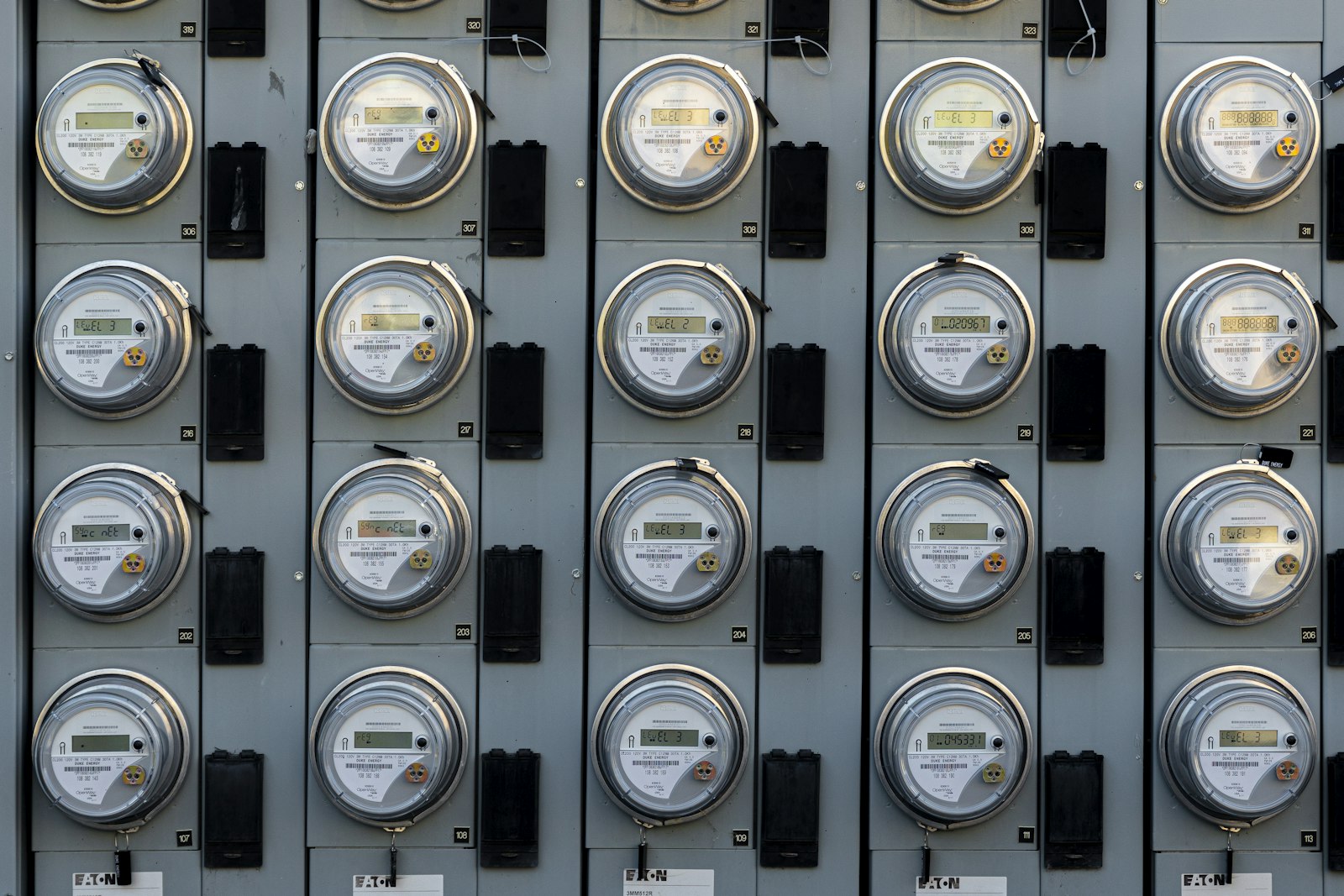
Photo: Jon Moore / Unsplash, Unsplash Licence. Photograph published 31 October 2020; illustrative. · Illustrative image.
The Government published its National Energy Affordability Report and Action Plan after Cabinet met on Tuesday 24 November. It sets out 116 measures in five areas: supporting households and tackling energy poverty, supporting businesses, giving consumers more flexibility, improving how the electricity market works, and paying for grid investment without overloading bills.
Most of the plan sets a direction rather than putting new money on the table. Before you change anything at home, it helps to separate what has been decided from what is still being examined.
What has been decided
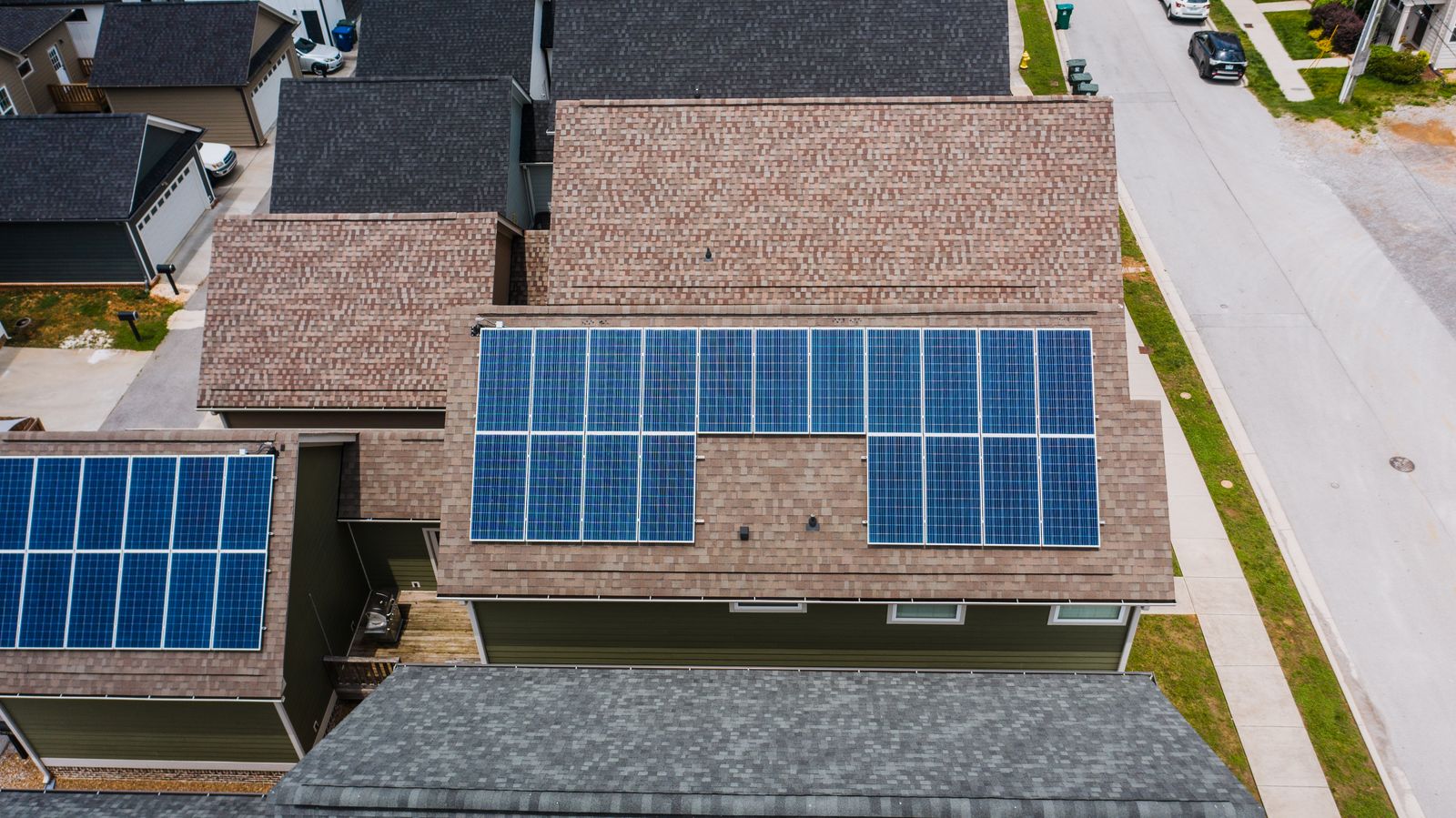
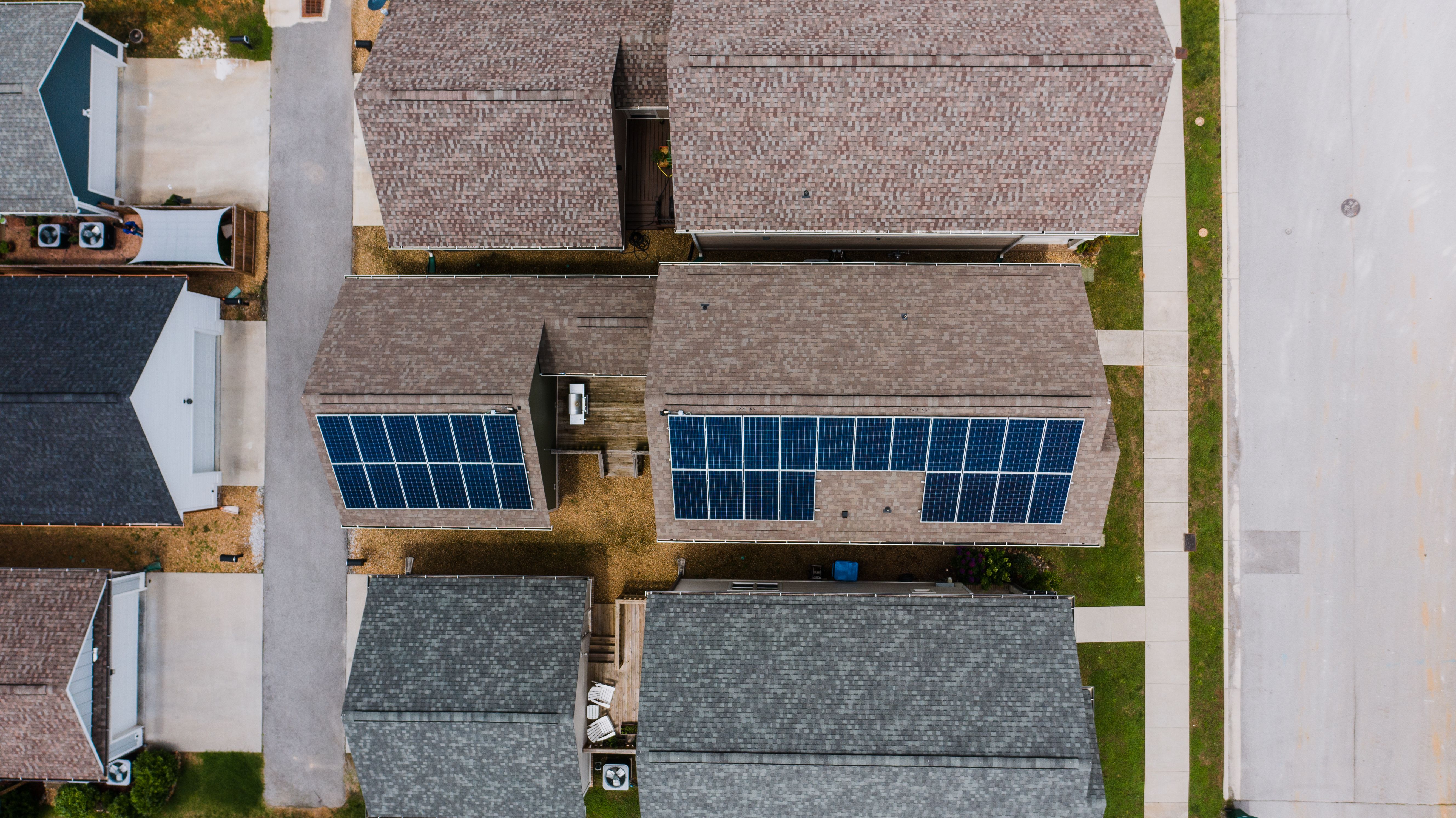
Plug-in solar will be allowed, but not yet. Cabinet agreed an approach that would let households plug compliant solar kits straight into a suitable existing socket, without a certified electrician. Four options were examined and this “plug and play” model was recommended. ESB Networks, the NSAI, Safe Electric and the Commission for Regulation of Utilities (CRU) were asked to review it in May. They reported in October and found no significant barriers to connecting compliant devices.
The start date is not settled. RTÉ reported that devices could be on sale “as early as the second quarter of next year”. The Irish Times reported the second half of 2027, subject to a safety assessment and a legislative review. For now, plug-in kits cannot legally be connected in Ireland. TDs have been told that people should not buy kits online in the meantime. Our plug-in solar guide explains the connection rules that apply today.
The 9% VAT rate on gas and electricity stays until 2030. This was decided in Budget 2026 and is already policy. The plan treats keeping it as a short-term priority.
What is still only proposed or being examined
- Targeted energy credits. The Department, the Department of Social Protection, ESB Networks and the CRU will explore technical options for supports aimed at the households that need them most. That work is due in the second half of 2027. No scheme or amount has been decided, and the plan does not bring back universal credits for every household.
- More switching. Minister Darragh O’Brien said a “sizeable cohort” of customers never switch supplier, and that it “hasn’t been made easy for them to switch”. The plan promises to step up efforts to encourage switching. It does not name a scheme or a date.
- Smart and time-of-use tariffs. More than two million homes now have a smart meter. The plan aims to get many more of them onto time-of-use or dynamic tariffs.
- Lower-income households. It lists fully funded solar and battery systems, a boiler scrappage scheme and help getting onto smart tariffs. More than 3,000 applications have already been made to the enhanced solar scheme for social welfare recipients. The coverage gives no budgets or dates for the new elements.
What it could mean in euro
Plug-in solar. RTÉ’s report put kits at about €500. It said they would save €130 to €150 a year and provide up to 20% of an average home’s electricity. On those figures a kit would pay for itself in roughly 3.3 to 3.8 years.
Compound’s own worked example is more cautious. It assumes a €550 kit, 450 kWh of generation a year and 35c per kWh. On that basis the kit saves €63 to €126 a year, which means it takes 4.4 to 8.7 years to pay back. The difference comes down to how much of the power you use while the sun is shining. There is no confirmed export payment for plug-in kits, so a flat that is empty all day will be at the low end of the range.
Switching. It is easy to put a figure on what is at stake. When Bord Gáis Energy raised prices on 9 October, its typical dual-fuel customer paid €26.42 a month more, or about €317 a year. That customer uses 4,200 kWh of electricity and 11,000 kWh of gas, which is the CRU benchmark. Gaps between suppliers’ prices can be of a similar size. If you have not compared prices in a year or more, you may be paying more than you need to.
Smart tariffs. If you move the dishwasher, the washing machine or EV charging to night-time hours, you can cut what those appliances cost to run. This only helps if your usage can really shift. Use the electricity cost calculator with your own unit rates before you sign up. Our guide to Irish electricity tariffs explains how the options differ.
What to do now
- Don’t buy a plug-in solar kit yet. Wait until the Irish rules are in force and you can check that a specific device is compliant.
- Check your tariff. Take the unit rate and standing charge from your latest bill and compare them on a CRU-accredited price comparison site.
- If you are on a low income, check whether you qualify for the Fuel Allowance and the enhanced solar scheme now. Targeted credits are at least a year away.
- If you are behind on a bill, your supplier must offer a payment plan, and MABS gives free, confidential advice. Our guide to energy arrears explains your options.
For context on this winter’s bills, see what electricity will cost without an energy credit. If you are weighing up full rooftop panels instead, try the solar PV payback calculator.
This article is based on RTÉ and Irish Times reporting of the plan on 24 November 2026. The Government’s own press release could not be reached when we checked. We will update this article if the published plan differs.
Cover photo: Jon Moore on Unsplash, used under the Unsplash Licence. The photo is illustrative and does not show an Irish meter.