Plug-in solar in Ireland: when it could arrive and what it could save
Ireland is targeting June 2027 for plug-in solar. We explain the current connection rules and calculate what a €550 kit could save on your electricity bill.
 News / Wealth
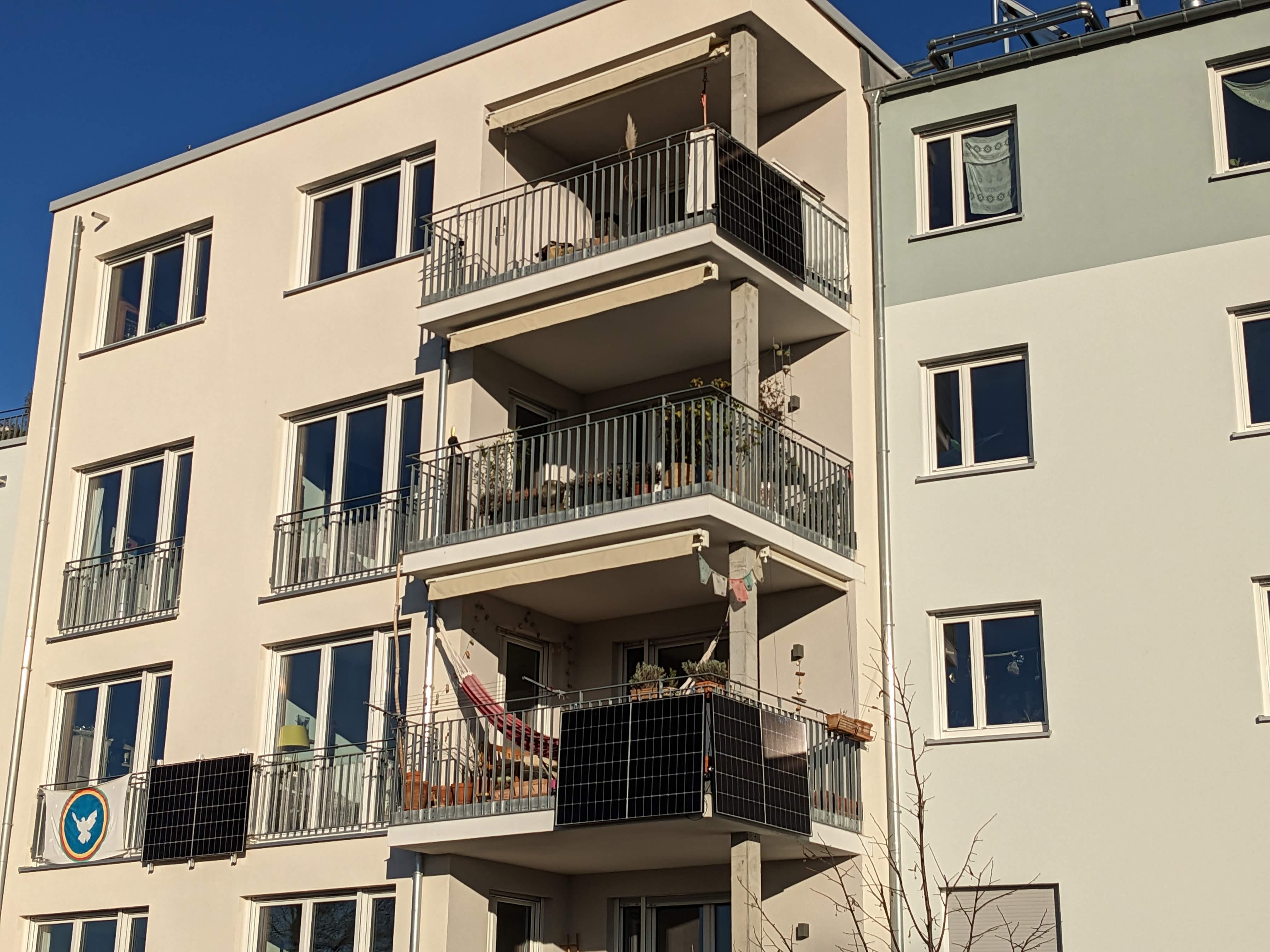
Photo: Rudy23 / Wikimedia Commons, CC BY-SA 4.0. Archival photograph, 13 February 2023. · Illustrative image.
Ireland is aiming to allow households to use plug-in solar by the end of June 2027, provided the necessary electrical safety and regulatory measures are in place. The Irish Independent reported on 22 November that the rollout is expected next summer and that kits are already being marketed to Irish households. Selfbuild’s coverage of Energy Minister Darragh O’Brien’s timeline gives the end of June as the target.
The appeal is the lower upfront cost and the possibility of using solar in a flat or rented home with a suitable outdoor space. In Compound’s worked example, a €550 kit saves €63 to €126 a year depending on how much electricity the household uses as it is generated. At those savings, simple payback ranges from about 4.4 to 8.7 years.
Can you use plug-in solar in Ireland today?
As of 22 November 2026, Ireland’s proposed route for connecting a solar kit to an ordinary household socket is still in development. The existing route for domestic grid-connected microgeneration involves a registered electrical contractor and an NC6 notification to ESB Networks. Wait for the Irish connection rules before buying a kit for use in a domestic socket.
At a July Oireachtas committee hearing, officials discussed an 800 W output limit, product standards and a simplified registration process. The final rules will determine which products qualify and what households will have to do before connecting one. An inverter’s output in watts measures power at a moment in time. Annual generation in kilowatt-hours measures how much energy the kit produces over a year.
How much could plug-in solar save on a bill?
A small kit typically combines solar panels and a microinverter. The electricity it produces can offset demand from appliances already running during daylight hours. Each kilowatt-hour you use as it is generated saves the price you would have paid for that unit. The standing charge stays on the bill.
The table assumes €550 upfront, 450 kWh generated a year and an avoided electricity rate of 35c/kWh. Those are modelling inputs. Irish retail prices and generation will vary by kit and location. The example assigns zero value to surplus electricity and includes no grant.
| Share of generation used at home | Grid electricity avoided each year | Annual bill saving | Simple payback |
|---|---|---|---|
| 40% | 180 kWh | €63 | 8.7 years |
| 60% | 270 kWh | €94.50 | 5.8 years |
| 80% | 360 kWh | €126 | 4.4 years |
Simple payback divides the upfront cost by the annual saving. It omits tariff changes, repairs and financing. At 60% self-consumption, using a rate of 28c/kWh instead of 35c/kWh lowers the annual saving to €75.60 and stretches payback to about 7.3 years. A shaded site can lengthen payback further by reducing annual generation.
If you have a smart meter, look at electricity use during daylight hours on a typical working day. An apartment that uses little electricity until evening could capture a smaller share of the output than a home with daytime demand. For a quote, ask for an annual generation estimate that reflects your balcony’s direction, tilt and shade.
Will a plug-in kit qualify for export payments or a grant?
The Clean Export Guarantee pays eligible microgenerators for electricity they export. How those arrangements will apply to plug-in kits has yet to be confirmed. The SEAI domestic solar grant has its own application and installation requirements. Base any payback estimate on bill savings until the authorities confirm how these kits will be treated.
What should renters and apartment owners check?
Check your tenancy or building rules for permission to attach panels to a balcony, railing or exterior wall. Ask the landlord or owners’ management company where applicable. A sunny outdoor space and a safe mounting location matter just as much as the kit price. Once Irish rules are published, check whether the specific kit and proposed connection meet them.
If a full rooftop installation is an option, compare the total cost and annual savings using Compound’s Irish solar panel guide and solar PV payback calculator. The calculator also lets you enter an export rate of zero for a plug-in scenario.
Cover photo licence: Creative Commons Attribution-ShareAlike 4.0.