Li Auto Is Earning More per Car Again. Can It Sell Enough of Them?
Li Auto's vehicle margin recovered to 15.3% and free cash flow turned positive on pricier models, but deliveries are still far below their late-2024 peak. We test the volume ramp its fourth-quarter guidance needs.
 Wealth / The Compound journal
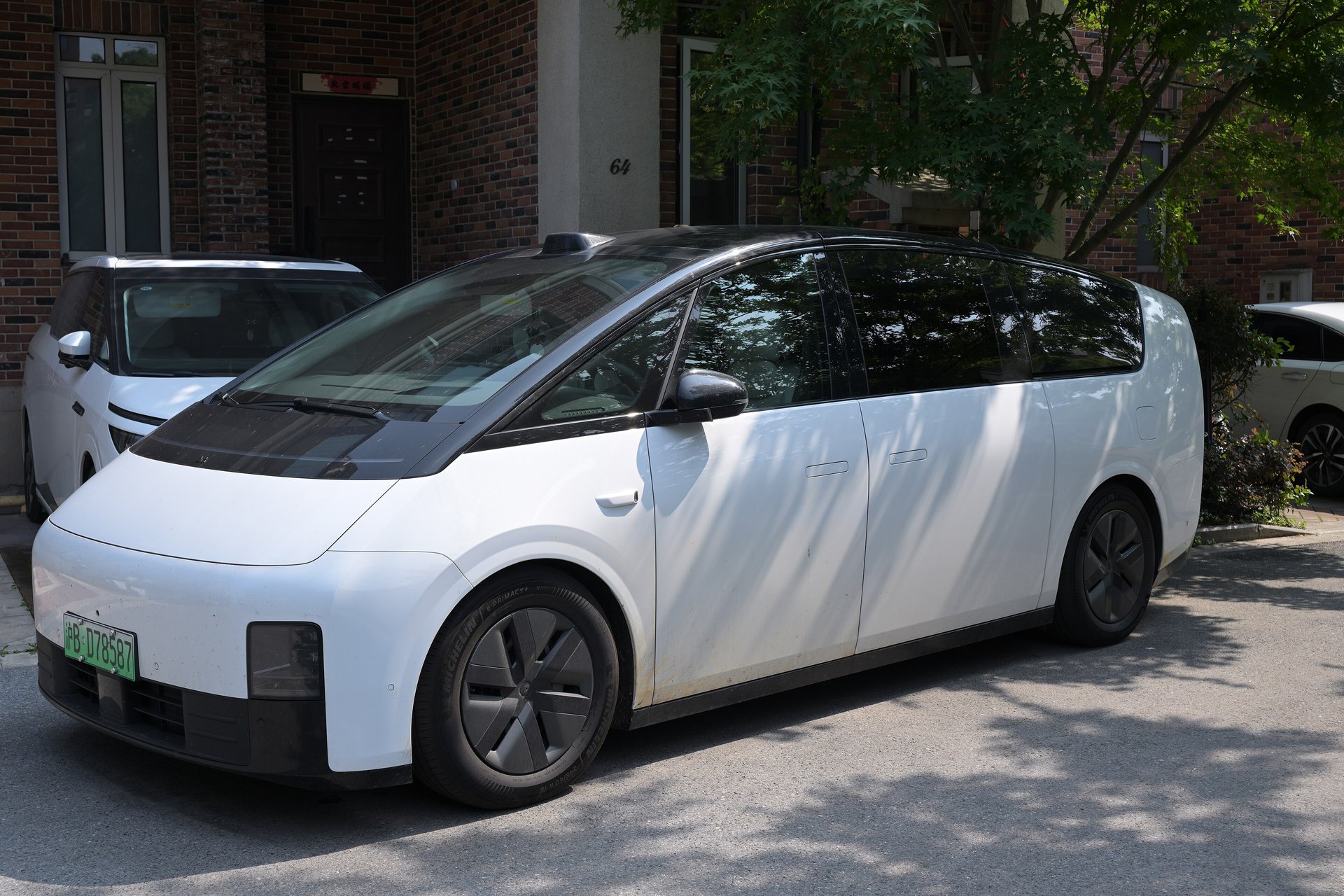
Photo: 4300streetcar / Wikimedia Commons, CC BY 4.0. Li Auto Mega in Shanghai, photographed 3 June 2025; archival photograph, resized and cropped. · Illustrative image.
Li Auto, the Chinese maker of family SUVs and electric minivans, had a much better third quarter than second. Margins recovered and it generated cash again. But the improvement came mostly from selling pricier cars, not more of them. Its own guidance now needs a sharp rise in monthly deliveries before the end of December.
For the quarter to 30 September 2026, Li Auto reported total revenue of RMB28.8 billion (US$4.3 billion), up 5.4% from a year earlier and up 12.3% from the second quarter. It delivered 99,964 vehicles, up 7.2%. It still made an operating loss of RMB700 million, but that was much smaller than the RMB2.3 billion loss in the second quarter.
Li Auto reports in renminbi and is listed in New York and Hong Kong. Dollar figures here use the company’s own conversion rate of RMB6.7045 to the dollar.
The margin recovery is about mix
Li Auto’s vehicle margin, its gross margin on car sales alone, rose to 15.3% from 9.4% in the second quarter. The company attributes that to “a different product mix”, meaning a larger share of more expensive models. It launched the new Li MEGA minivan, priced at RMB509,800, and the Li i9 SUV, at RMB369,800, in September and October.
A simple measure shows the shift. Vehicle sales divided by deliveries came to about RMB271,000 per car, up from about RMB245,000 in the second quarter, Compound’s calculation. That is still slightly below the RMB277,500 of a year earlier.
The comparison with a year ago is less flattering than it looks. Vehicle margin was 15.3% against 15.5% a year earlier, and the year-earlier quarter carried estimated costs for a recall of the original Li MEGA. Li Auto says the lower margin this year was mainly due to product mix, partly offset by the absence of those recall costs.
Volume is the bigger problem
Quarterly deliveries have been stuck at around 100,000 for most of the past year:
- Q4 2024: 158,696
- Q4 2025: 109,194
- Q1 2026: 95,142
- Q2 2026: 98,330
- Q3 2026: 99,964
Fourth-quarter 2025 deliveries were about 31% below the same quarter of 2024, Compound’s calculation. Losing that volume matters because a carmaker’s factories, research and stores are largely fixed costs. Li Auto spent RMB5.5 billion on operating expenses in the third quarter, including RMB3.1 billion on research and development, against gross profit of RMB4.8 billion.
The fourth-quarter guidance needs a fast ramp
Li Auto expects fourth-quarter deliveries of 110,000 to 115,000 and revenue of RMB31.7 billion to RMB33.1 billion, growth of 10% to 15%.
Its own October update showed 29,025 deliveries, including more than 3,000 of the new MEGA. To reach the guided range, it would need about 81,000 to 86,000 deliveries in November and December, or roughly 40,500 to 43,000 a month. That is 40% to 48% above October’s pace, Compound’s calculation. The refreshed 2026 Li i6 only began deliveries in October, so it will contribute more in the last two months. Even so, it is a steep ramp.
The revenue guidance implies about RMB288,000 of revenue per vehicle at either end of the range, similar to the third quarter and roughly 9% above the fourth quarter of 2025, Compound’s calculation. In other words, the guidance assumes the richer mix holds.
Cash flow turned positive
Operating cash flow was RMB3.2 billion, and after RMB1.3 billion of capital spending, free cash flow was RMB2.0 billion (US$293 million). A year earlier, free cash flow was negative RMB8.9 billion, and in the second quarter it was negative RMB1.3 billion. The company says the improvement on the second quarter came mainly from more cash received from customers at higher selling prices, and on a year earlier from lower payments for inventory.
The balance sheet is large. Li Auto reports a cash position of RMB88.2 billion (US$13.2 billion), a broad measure that includes deposits and some long-term investments. Against that it owes RMB40.7 billion to suppliers in trade and notes payable and has about RMB10.3 billion of borrowings. That reliance on supplier credit means cash can fall quickly if volumes drop and payments to suppliers catch up.
Li Auto is also returning cash. Under a US$1.0 billion buyback announced in March, it says it has bought back about US$694 million of shares so far. The weighted average ADS count fell about 3% from a year earlier, Compound’s calculation.
What would confirm or weaken the thesis
The thesis strengthens if deliveries reach the guided 110,000 to 115,000 without heavy discounting, if vehicle margin stays near 15%, and if free cash flow stays positive into 2027 as European deliveries of the Li 6 begin in the Netherlands and Norway.
It weakens if November and December fall short of the roughly 40,000-a-month pace needed, if margins slip back as cheaper models make up more of the mix, or if buybacks continue while the company is still losing money at the operating level.
Li Auto has shown it can earn a healthy margin on its newer, pricier models. What it has not shown is that it can get back to the volumes it reached in 2024. The next two months of delivery numbers will say a lot about which matters more. This analysis makes no price target.
Explore Compound’s earnings hub, our WeRide robotaxi economics analysis and our Tesla credit facilities analysis.
Figures are in renminbi unless stated, are unaudited and are prepared under US GAAP. Vehicle margin, free cash flow and non-GAAP measures are company-defined. Revenue per vehicle, the required November-December delivery pace, growth comparisons, total borrowings and the change in ADS count are Compound calculations. Guidance is a company forecast, not a guarantee. General information, not personal investment advice.
Cover: 4300streetcar, Wikimedia Commons, under CC BY 4.0. Captured 3 June 2025. Archival photograph; resized and cropped.