Why SpaceX’s Lenders Reportedly Want Its AI Chips to Stay on Earth
Apollo and Goldman Sachs priced $44 billion of notes for SpaceX’s AI buildout. A reported push to keep the GPUs out of orbit shows why lenders care where their collateral sits.
 News / Wealth
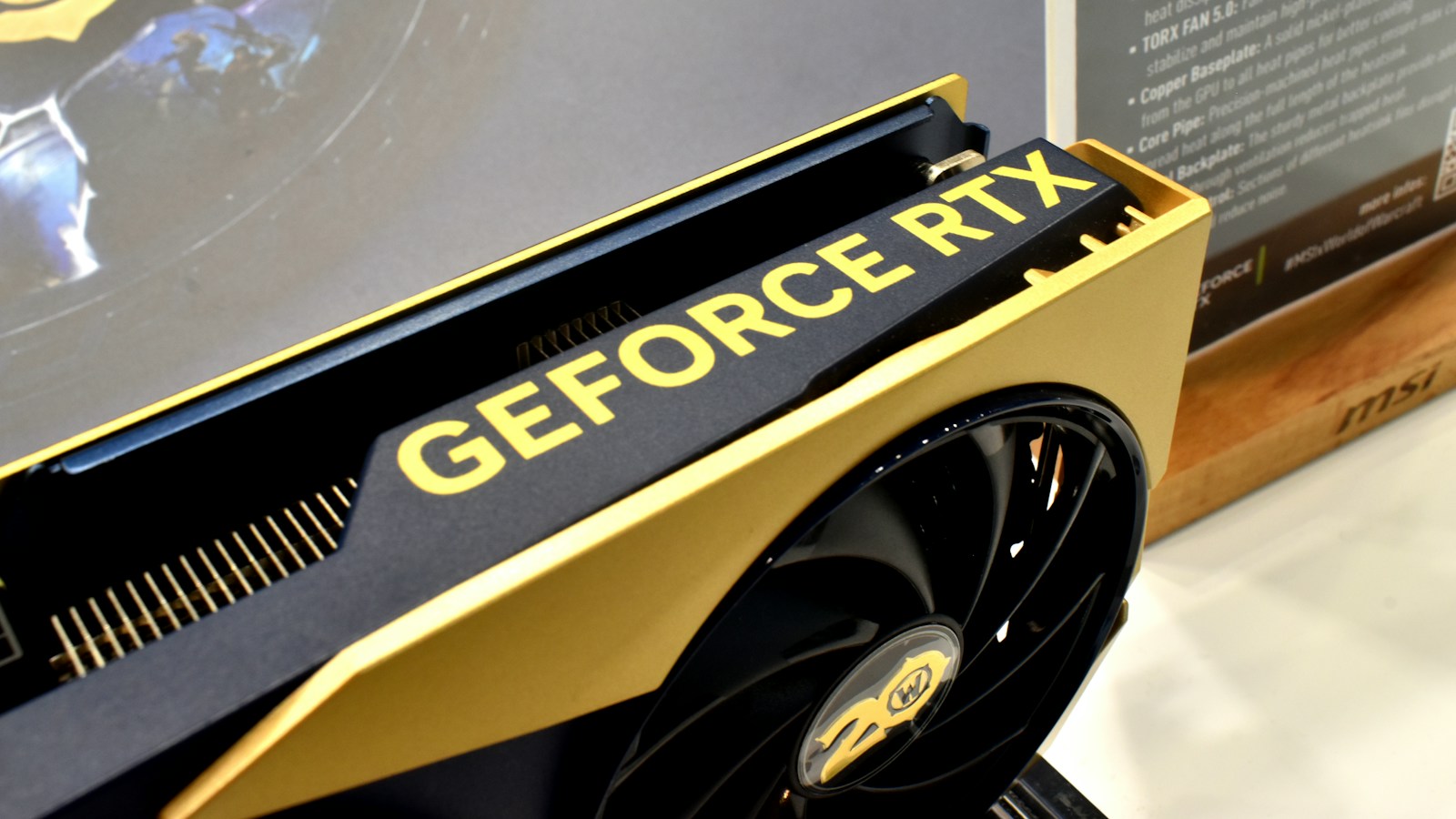
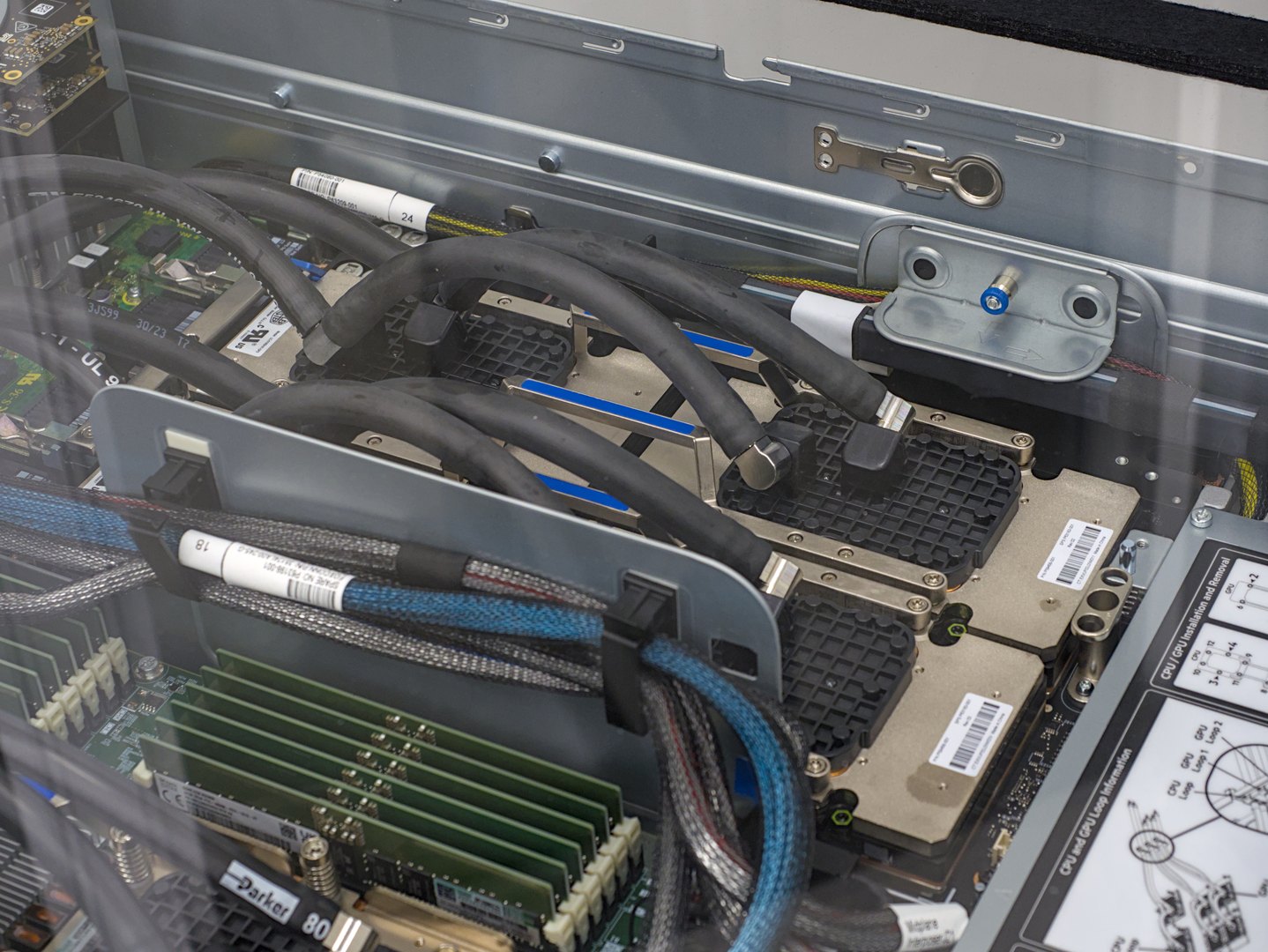
Photo: Fukumoto via Wikimedia Commons, CC BY-SA 4.0. Archival photograph from 16 May 2026, resized. Shows H100 hardware, a different generation from the Vera Rubin equipment in the deal. · Illustrative image.
Apollo and Goldman Sachs said on 20 November that they had priced about $44 billion in notes to fund Nvidia Vera Rubin GPUs and related equipment for SpaceX’s data centres on Earth. The Financial Times reported that lenders sought a clause to keep the equipment out of orbit because launching it would make it much harder to recover and sell after a default. The paper said it was unclear whether the clause made it into the final documents. Apollo’s pricing announcement · Financial Times reporting
Where the $40 billion and $44 billion figures come from
The two figures measure different parts of the same financing. In October, SpaceX said it expected to make roughly $40 billion in principal payments over the equipment lease schedules. Under the proposed structure, an Apollo-managed entity would acquire the GPU systems and lease them to SpaceX. SpaceX’s filing described quarterly payments that would also include a fixed-rate charge on the outstanding balance and certain ongoing costs. SpaceX’s Form 8-K
| Headline figure | What it measures |
|---|---|
| About $40 billion | SpaceX’s October estimate of aggregate lease principal over the schedules |
| About $44 billion | Senior and subordinated notes priced in November to finance the purchase of GPUs and related equipment |
| First half of 2027 | Expected start of lease schedules as the equipment is delivered |
The notes give investors exposure to the financing. The lease schedules govern what SpaceX pays to use the equipment. The public announcements don’t provide a full reconciliation between the two figures, so the $4 billion difference alone tells investors little about the cost of the deal. SpaceX’s Form 8-K · Reuters
Why lenders care where the chips are
A lender values collateral for what it could recover if the borrower stops paying. In a terrestrial data centre, the equipment may be inspected, removed and sold, subject to the contract and practical constraints. GPUs installed on an orbiting satellite could still be productive, but extracting them for resale would be much harder. Even on Earth, a recovery would depend on physical access, the cost of moving the hardware and what another buyer would pay for used equipment.
That explains why a lender might seek a restriction even when the equipment is already earmarked for Earth. The announced deployment plan describes what SpaceX expects to do. A covenant, if agreed, would govern what SpaceX could do with that specific equipment later. The public pricing release describes the terrestrial buildout. The status of the reported clause remains unclear. Apollo’s pricing announcement · Financial Times reporting
What SpaceX shareholders should watch
The first milestone is delivery. As the GPUs arrive, SpaceX’s lease schedules are expected to begin. The next question is how quickly the company can put the new capacity into service and earn enough from it to cover the lease payments, electricity and other operating costs. For lenders, the pace at which lease principal falls also matters. If resale values decline faster than principal is repaid, the equipment offers less protection against a shortfall.
Any future orbital data centre would raise a separate financing question. If specialised equipment is hard to recover, a lender may rely more heavily on enforceable customer payments or guarantees when deciding how much to lend. Investors can follow SpaceX’s reported lease obligations and operating results in Compound’s SpaceX stock profile and analysis of the company’s AI spending.
Cover photograph resized from Fukumoto’s original on Wikimedia Commons under CC BY-SA 4.0.