Jensen Huang Says He Would Return as Nvidia CEO: What It Means for NVDA Stock
Jensen Huang says he would return as Nvidia CEO if its board asks. The board has reportedly opposed a comeback. Here is what matters for NVDA investors ahead of earnings.
 News / Wealth
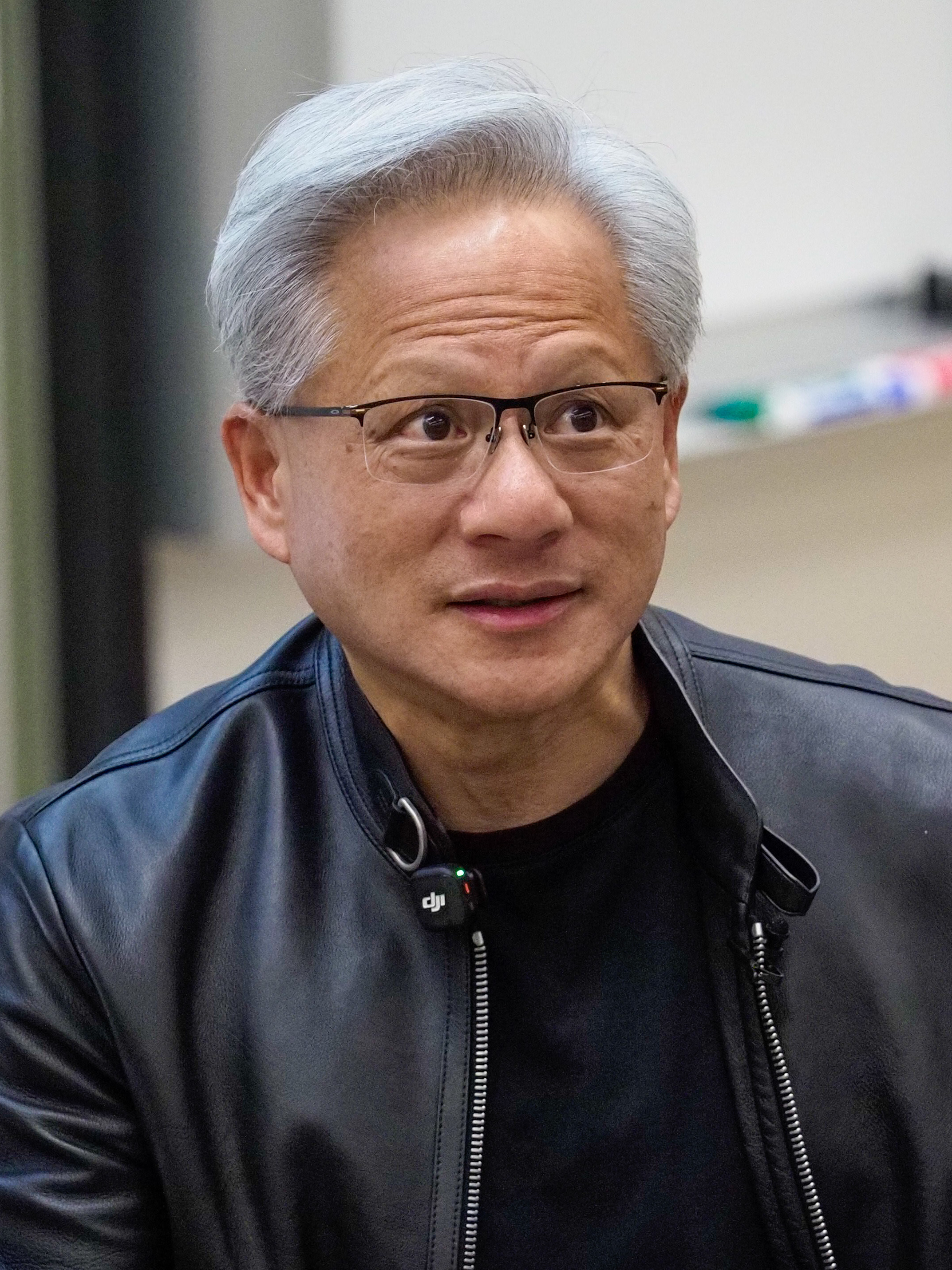
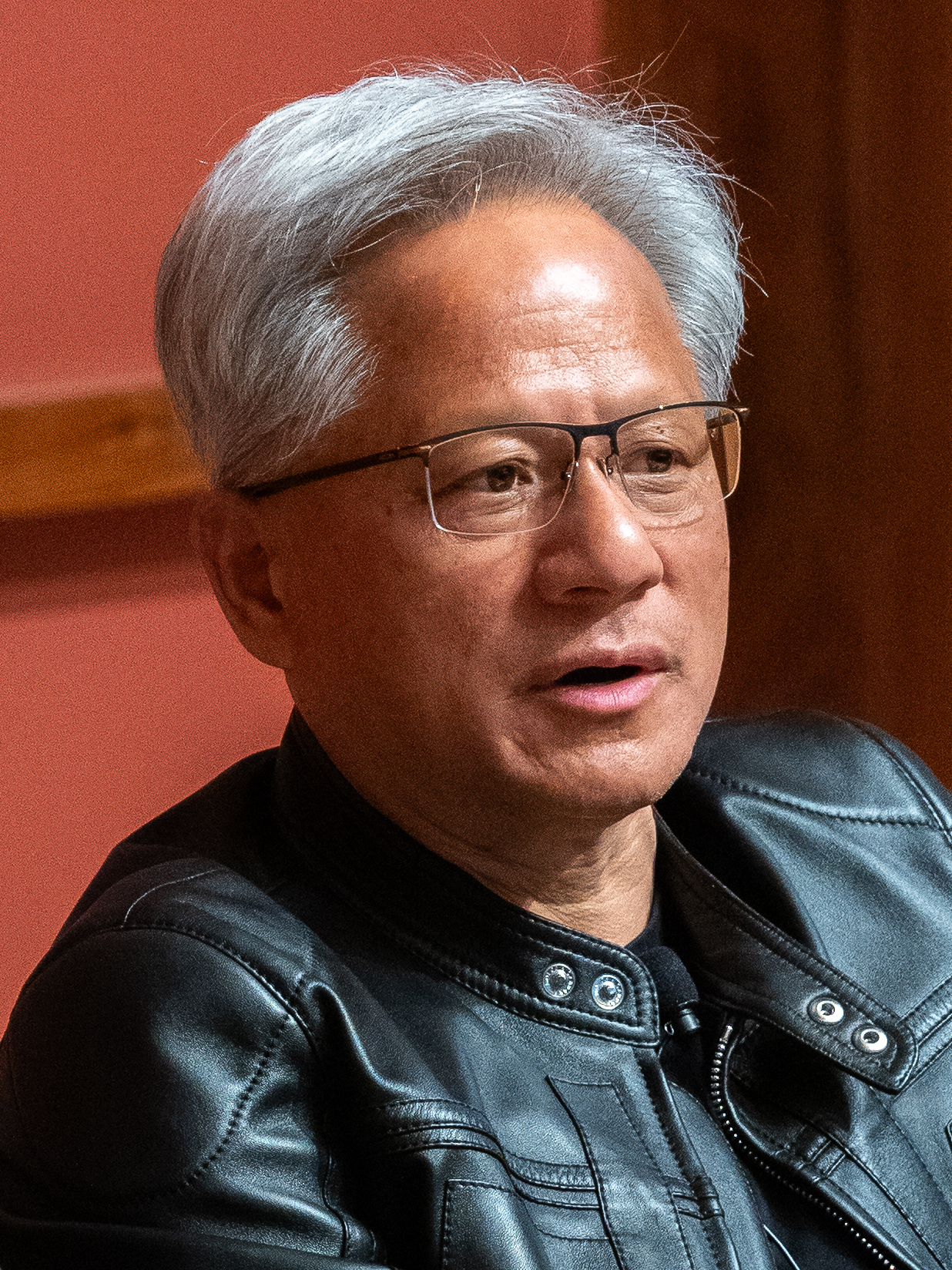
Photo: Anders Eidesvik / Wikimedia Commons, CC BY 4.0; photographed 9 April 2026; cropped by Wikimedia contributor Nagae Iku. · Illustrative image.
Jensen Huang has said he is willing to return as Nvidia’s chief executive just five days after the company publicly announced his resignation. In his first public statement since leaving the role, the Nvidia co-founder said he would accept a return if the board concluded that doing so would serve shareholders, employees, Nvidia and the United States.
The development on Tuesday, 17 November 2026 is significant for Nvidia (NASDAQ: NVDA), but investors should be precise about what has changed: Huang has offered to return; Nvidia has not announced that he will return. The company is still led by interim CEO Colette Kress, and the board has been conducting a search for a permanent chief executive.
Reuters reported the statement on 17 November. It comes just hours before Nvidia is due to report fiscal third-quarter earnings.
What did Jensen Huang say about returning to Nvidia?
Huang said he had received numerous calls from employees, investors, partners and customers since his departure, and that he remains attached to the business he helped build.
His offer was explicitly conditional on a decision by Nvidia’s directors:
“I would be honored to answer these calls and return as CEO.”
In the wider statement, Huang also accepted responsibility for personal mistakes and said he would cooperate with the board’s independent investigation. His words do not represent a reinstatement agreement, an offer from Nvidia’s board or confirmation of a timetable.
The distinction matters. A public willingness to return may intensify shareholder debate, but the directors retain responsibility for selecting a CEO and assessing any legal, governance and national-security issues.
Is Nvidia’s board considering bringing Jensen Huang back?
Not according to the most recent reporting on its position before Huang’s statement. On 16 November, Reuters cited three people familiar with the matter who said the board was not weighing a return and remained focused on the independent investigation and succession process.
That was a report about the board’s stance on Monday, not a binding public resolution that could never change. As of Reuters’ 17 November coverage of Huang’s new comments, Nvidia had not announced a reversal or his reinstatement.
Nvidia’s official CEO transition announcement, dated 12 November, confirmed Huang had resigned as president, CEO and director. The company appointed Colette Kress, its finance chief since 2013, interim CEO while it evaluates internal and external candidates. Harvey Jones was appointed chair of the board.
For the wider chronology, read Compound’s earlier reporting on Jensen Huang’s resignation and Nvidia’s succession plan.
Why Huang’s potential return matters to NVDA shareholders
Huang is closely associated with Nvidia’s technical direction, developer ecosystem, manufacturing partnerships and relationships with major customers. Some shareholders may view a comeback as a way to reduce leadership uncertainty. Others may believe a return before the independent inquiry concludes would create additional governance and legal risk.
The two risks should not be confused:
| Investor question | What could change | What is established now |
|---|---|---|
| CEO succession | Board selects Huang, another internal candidate or an outsider | Kress remains interim CEO; search continues |
| Customer and product continuity | New leadership affects strategy, delivery or relationships | Nvidia has said its operations and roadmap should continue |
| Governance | Inquiry findings or remedial measures alter risk assessments | Independent investigation remains unresolved |
| Market valuation | Investors change the multiple they will pay for earnings | A price response does not itself show a change in profits |
| Regulatory exposure | Export controls and compliance affect sales and costs | Nvidia has announced stronger board oversight |
There is a straightforward valuation mechanism. If expected profits stayed constant while the market reduced a stock’s price-to-earnings multiple from 30 to 27, its theoretical valuation would fall 10%. That is an illustration, not a forecast for NVDA. A resolution of governance uncertainty could also change the multiple in the opposite direction.
Huang’s statement may influence how investors assess the succession process, but it cannot by itself determine chip demand, profitability or whether Nvidia passes future compliance reviews.
The financial stakes are unusually large
The underlying business is still measured in tens of billions of dollars of quarterly revenue. In Nvidia’s fiscal second quarter of 2027, the company reported $96.2 billion of revenue, including $89.0 billion from Data Center, and a 75.0% GAAP gross margin, according to its official results release.
Data Center therefore accounted for roughly 92.5% of quarterly revenue. That concentration is one reason why relationships with major AI-infrastructure buyers, supply partners and policymakers are material to Nvidia’s investment case.
The market is also repricing exceptional uncertainty. Reuters reported on 17 November that options prices implied a potential 8.5% post-earnings share-price move, equivalent to approximately $335 billion of market value at the prices used in the report. This is a market-implied magnitude, not a directional prediction or a guarantee. The eventual move may be smaller or larger.
Those figures illustrate why a CEO decision can dominate headlines, but they are not a substitute for analysing revenue, margins and long-term free-cash-flow potential. See the continuously maintained NVDA stock profile and financial results and Compound’s Nvidia AI chips, margins and valuation guide.
A national-security committee adds another layer
On the same day as Huang’s statement, Nvidia announced a board-level National Security and Export Control Oversight Committee. It is intended to provide more direct scrutiny of the company’s national-security and trade-compliance work.
This is separate from the question of who should lead the company. Nvidia’s previously announced independent investigation is not complete, and allegations reported in the press should not be confused with established investigative findings. The new committee’s existence does not prove that Nvidia secrets were compromised.
Compound’s separate analysis of Nvidia’s new national-security committee and the financial risks of export controls explains why that governance change matters to shareholders.
What happens next? Nvidia earnings and three decisions to watch
Nvidia scheduled its fiscal third-quarter 2027 results for Tuesday, 17 November 2026 at approximately 1:20 p.m. Pacific time (9:20 p.m. in Ireland), with the earnings call scheduled for 2 p.m. Pacific (10 p.m. in Ireland). These results had not yet been released at the time of this article.
Three developments matter most:
- Board response: Will directors publicly address Huang’s conditional offer, or continue the external and internal search without changing course?
- Independent investigation: Will the board publish substantiated findings, a clear process and any required safeguards before making a permanent appointment?
- Financial results and outlook: Does Nvidia continue to deliver against its AI-infrastructure expectations under interim management, and what does it say about customer demand, export restrictions and margins?
Investors should resist treating either a comeback campaign or a single share-price move as a definitive verdict on the company’s future. A leadership announcement affects the risk picture; sustained earnings and cash flow ultimately determine how much the business is worth.
Frequently asked questions
Has Jensen Huang returned as Nvidia CEO?
No return has been announced. On 17 November, Huang said he would be willing to return if Nvidia’s board decided it was in the company’s interests.
Who is Nvidia’s CEO now?
Colette Kress is interim CEO and continues to serve as CFO after Huang’s resignation was publicly confirmed on 12 November 2026.
Is Nvidia’s board planning to reinstate Jensen Huang?
Reuters reported on 16 November that the board was not considering his reinstatement. Huang’s statement was made the following day; a changed board decision has not been publicly confirmed.
Will Jensen Huang’s statement make Nvidia shares rise?
It may change market expectations about leadership, but the direction and size of any share-price reaction are uncertain. Nvidia’s earnings, guidance, export-control risks and governance developments also matter.
Photo: Anders Eidesvik / Wikimedia Commons, CC BY 4.0. Archival photograph taken at Stanford University on 9 April 2026 and cropped by Nagae Iku. It does not depict Huang’s 17 November statement.