€400 Energy Credit Proposal: What Budget 2027 Actually Did
The Social Democrats proposed a €400 electricity credit for households with income under €70,000, but Budget 2027 did not introduce it. What the proposal meant, what changed and how to plan energy costs instead.
 News / Wealth
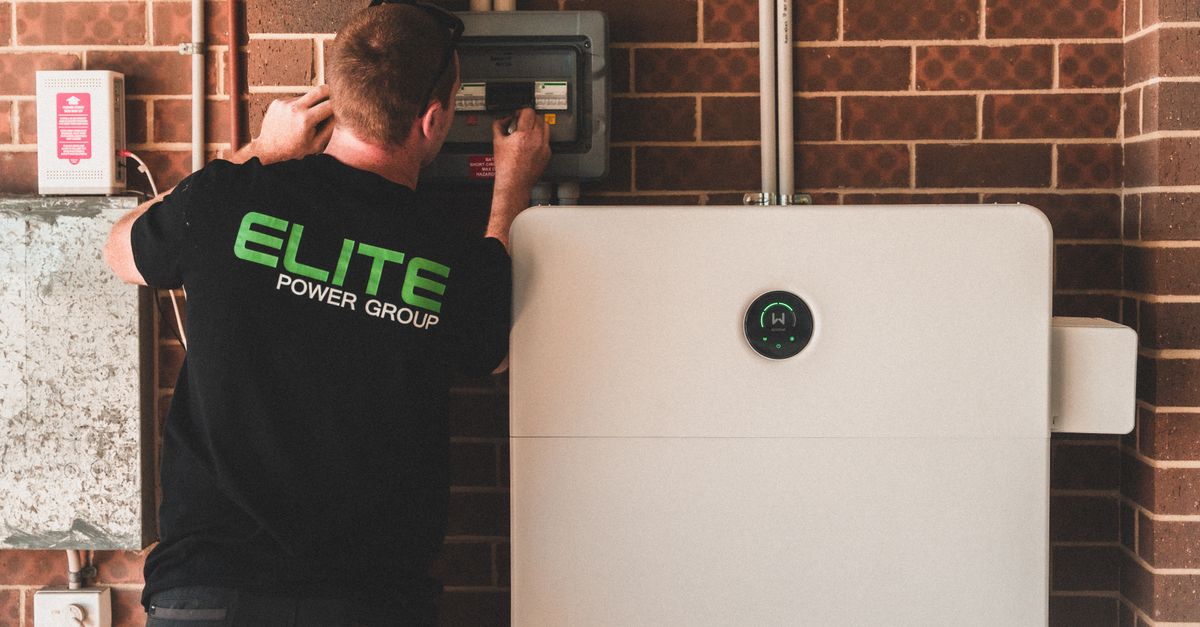
Photo: Vodafone x Rankin everyone.connected on Pexels · Illustrative image.
Original report 1 October · Updated after Budget on 12 October 2026
Outcome: the €400 energy credit proposed by the Social Democrats was NOT included in Budget 2027. It remains an opposition alternative-budget proposal. There is no entitlement to this €400 payment and no under-€70,000 household-income application scheme arising from the Budget announcement.
Read the confirmed Budget measures and winter electricity-cost scenarios →
On 1 October 2026 the Social Democrats proposed a €400 targeted electricity credit for households with annual income below €70,000. The idea was to help lower- and middle-income households with high electricity bills by using a tax on extraordinary energy-company profits to fund the payment.
The Government presented Budget 2027 on 6 October 2026. It did not adopt the proposal or announce any additional electricity credits. RTÉ’s Budget 2027 questions and answers confirms the decision.
That distinction matters. The original €400 figure was never a confirmed Government payment, and households should not include it when budgeting for winter 2026–27.
What exactly did the Social Democrats propose?
The party’s Alternative Budget 2027 proposed a one-off €400 credit for households earning under €70,000. This was a household-income threshold, not an individual-salary threshold.
It was intended to be narrower than the earlier, broadly available electricity-bill credits. The Social Democrats also proposed a windfall tax on energy-company super-profits to fund the support.
The proposal did not progress into an operational scheme. There are no published Government eligibility, application or payment dates for the proposed €400 credit, because Budget 2027 did not adopt it.
Was a €400 energy credit included in Budget 2027?
No. Neither a universal €400 electricity credit nor the Social Democrats’ means-tested alternative was included in the announced Budget 2027 package.
The Government did announce some other measures affecting energy costs and household finances:
- Fuel Allowance rises by €5 per week, to €43, for eligible recipients.
- The Budget announced changes to carbon tax on home-heating oil and gas; these should not be confused with an electricity-bill credit.
- Previously announced expanded SEAI solar and retrofit supports are intended to help qualifying households cut future energy costs, subject to scheme criteria.
You can read the Budget Statement and our updated winter electricity article for the distinction between direct payments, tax measures and energy upgrades.
What would €400 have meant for a household?
For perspective, a hypothetical €400 credit would cover:
| Illustrative annual electricity bill | €400 as share of the bill |
|---|---|
| €1,200 | 33.3% |
| €1,500 | 26.7% |
| €1,800 | 22.2% |
| €2,000 | 20.0% |
| €2,500 | 16.0% |
These are mathematical comparisons only. They do not represent a payment anyone will receive under Budget 2027, nor official average Irish bills.
A real electricity bill depends on kWh consumed, the unit rate, standing charges, time-of-use pricing, VAT, levies and discounts. If the cost pressure comes from one device — for example, an immersion, electric heater or dehumidifier — the Electricity Cost Calculator estimates the device’s incremental running cost.
Test wattage, hours and the rate you really pay. This calculator models appliances, rather than promising a whole-house energy bill.
Open the Electricity Cost CalculatorCan households reduce bills without a €400 credit?
Yes, but every option involves different costs and trade-offs. Checking tariffs can deliver savings without installing equipment; reducing waste and targeting high-consumption devices can reduce kWh. Solar panels can cut grid purchases, but their value depends on the roof, installation quote, import/export tariffs, grants and when power is generated.
Solar is not a substitute for short-term energy support for a household that cannot afford the upfront cost. For households considering installation, the right first step is to model payback, then compare equipment and qualified installers.
FROM THE NEWS TO YOUR NUMBERS
Work out your options before requesting a solar quote.
These are free, independent tools; no installer is guaranteed an enquiry and Compound has not launched a paid lead marketplace.
For a broader overview of solar grants, batteries and current installation steps, use the Compound Solar Hub and electricity tariff guide.
Bottom line
The Social Democrats’ proposed €400 targeted electricity credit was not included in Budget 2027. The under-€70,000 household-income threshold was part of an opposition proposal, not an enacted eligibility rule.
The useful next step is to look at your own bill, check current supplier terms and estimate the economics of any efficiency or solar investment before committing. See our winter electricity-cost guide, Electricity Cost Calculator and Solar Payback Calculator.