School Transport Fees Are Rising in 2027: What Families Will Actually Pay
Post-primary school transport is set to rise from €100 to €350 per pupil for 2027/28, with an overall family cap of €650. Here are the household examples, exemptions and details still to be published.
 News / Wealth
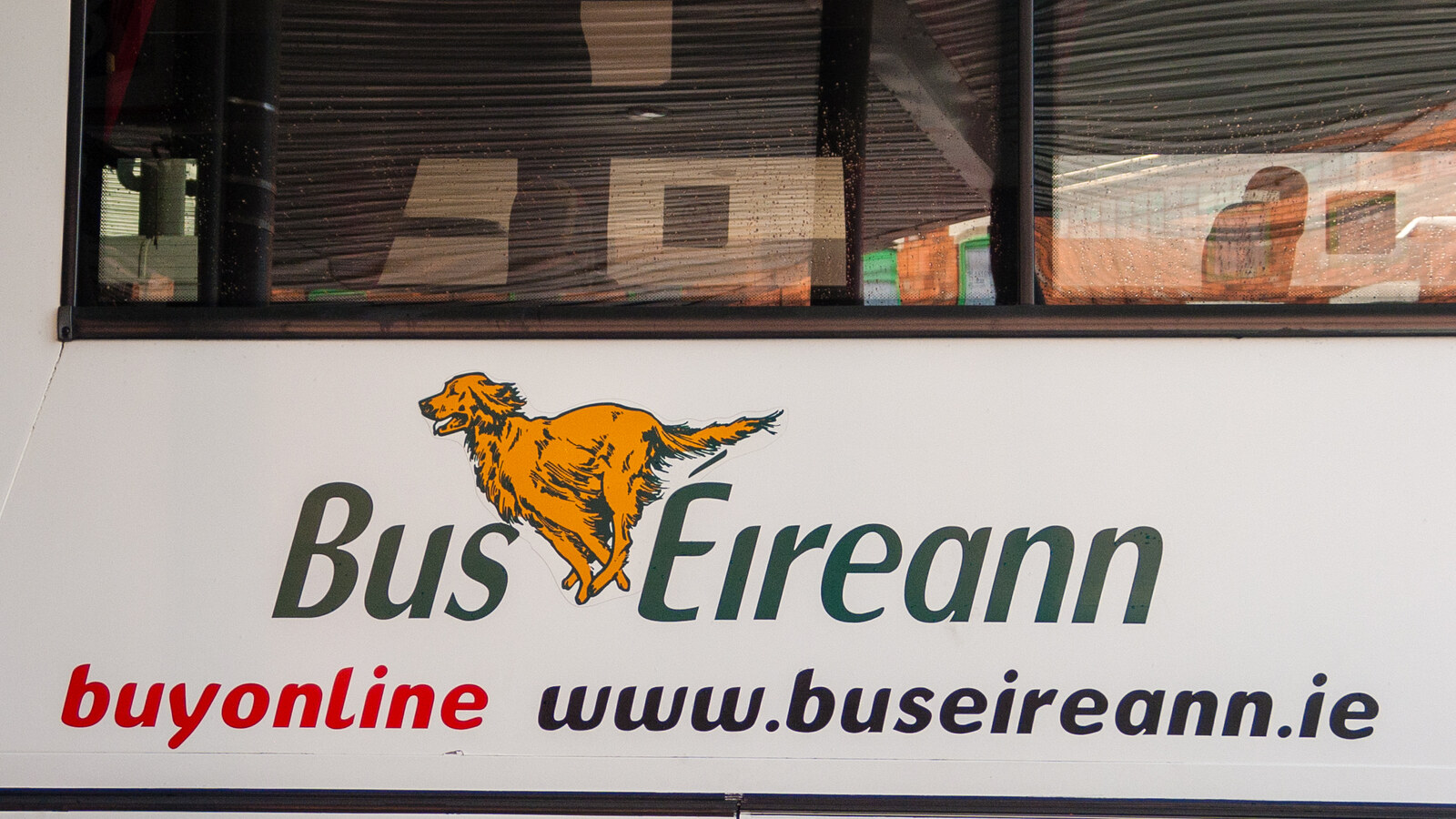
Photo: JoachimKohler-HB / Wikimedia Commons, CC BY-SA 4.0. Photograph taken 9 June 2007; cropped for presentation. Archival image, not a photograph of a current school route. · Illustrative image.
The annual school-transport charge for a post-primary pupil is set to rise from €100 to €350 for the 2027/28 school year. An overall family cap of €650 will replace the current €220 cap, although eligible medical-card holders and children using specialised transport will continue to travel free.
The figures were confirmed in a written parliamentary response reported on 20 November and subsequently defended by the Tánaiste. The important date is September 2027, not the remainder of the current school year.
The Department’s live information page still displays the 2026/27 charges. Application dates, payment windows and the complete 2027/28 operating terms have not yet been published there, so families should not reuse this year’s deadline for next year’s application.
Current and planned charges
| Charge | 2026/27 school year | 2027/28 announced charge | Change |
|---|---|---|---|
| Primary pupil | €100 | €100 | €0 |
| Primary family cap | €200 | €220 | +€20 |
| Post-primary pupil | €100 | €350 | +€250 |
| Overall family cap | €220 | €650 | +€430 |
The post-primary increase is 250% relative to the current €100 charge:
(€350 − €100) ÷ €100 = 250%
That wording means the fee becomes 3.5 times the current amount; it does not mean the family pays an extra 350%.
Worked family examples
| Household using the scheme | 2026/27 | 2027/28 | Increase |
|---|---|---|---|
| One primary pupil | €100 | €100 | €0 |
| Three primary pupils | €200 cap | €220 cap | €20 |
| One post-primary pupil | €100 | €350 | €250 |
| Two post-primary pupils | €200 | €650 cap | €450 |
| One primary and one post-primary pupil | €200 | €450 | €250 |
These examples assume every child is eligible, receives a place and is not exempt. A transport application does not itself guarantee a seat.
Who remains exempt
The current official scheme says children who are eligible for school transport and hold a valid medical card do not pay the annual charge, provided the medical-card details are submitted by the required deadline. Transport provided through the specialised scheme for children with special educational needs also remains free.
Public descriptions sometimes shorten this to “low-income families travel free”. The actual current test is more specific: an eligible pupil with a valid medical card, or a child approved for specialised transport. A household should not assume another means-tested payment automatically creates an exemption.
For 2027/28, families will need to check the Department and Bus Éireann terms when the new application window opens. That will confirm the deadline, evidence required and whether instalment arrangements continue.
Why the Government says fees are rising
The reported parliamentary response says 181,000 children and young people use the scheme each day and that charges are being restored to 2021 levels for financial sustainability. It estimates the underlying transport cost at €1,400 to €1,500 per pupil and says the State would still fund more than 75% of the post-primary cost after a €350 contribution.
Those cost estimates explain the policy position but do not reduce the cash impact on a family. A household with two secondary-school pupils would need to find an additional €450 compared with the current two-pupil cost.
Setting aside that increase over 12 months would require:
€450 ÷ 12 = €37.50 per month
That is a budgeting illustration, not a payment plan offered by the scheme.
What parents can do now
- Do not pay or apply using an unofficial link; the 2027/28 portal window is not yet published.
- Check whether each child meets the distance, nearest-school and route conditions when the new terms appear.
- If using a medical-card exemption, prepare to submit valid details before the stated deadline.
- Budget using the annual amount and family cap rather than a rounded “per school day” figure.
- Keep evidence of an on-time application and payment because late applications can lose priority.
Compound’s recent analysis of school pupils and household supports explains the Back to School Clothing and Footwear Allowance and Working Family Payment checks. Those supports do not automatically create a school-transport entitlement, but they are worth reviewing as part of the wider education budget.
The key point for families is now clear enough to plan around: primary fees are broadly unchanged, while secondary-school transport becomes a materially larger annual bill from September 2027. The remaining operational details should be checked against the official application notice rather than political summaries.