What is paracetamol? Uses, adult doses and safety in Ireland
Paracetamol is a painkiller that also lowers fever. Learn how to check an adult dose, spot it in cold and flu medicines and get help if you take too much.
 Health / The Compound journal
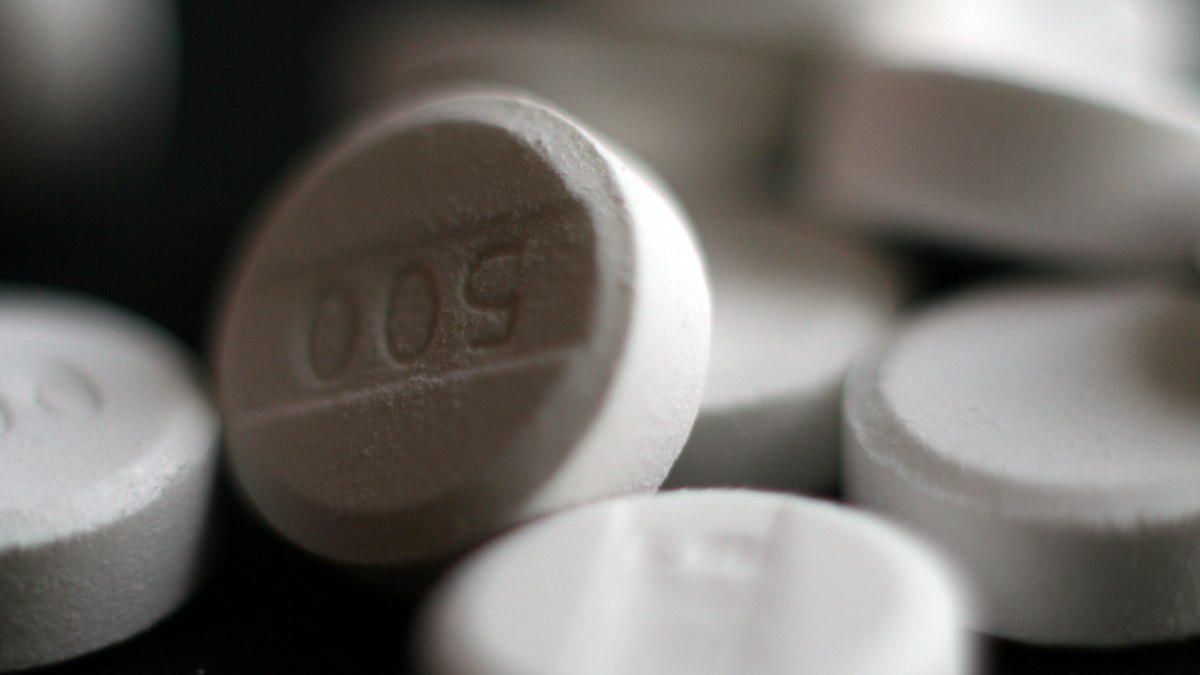
Photo: Michelle Tribe, 2007 · CC BY 2.0 · cropped · Illustrative image.
Paracetamol relieves pain and lowers a high temperature. Adults commonly use it for headaches, toothache, period pain and aches from a cold. Panadol is one brand. The active ingredient on the pack is what matters, especially if you take more than one medicine. HSE paracetamol guide
This guide covers adults in Ireland. Follow the instructions for your own product and ask a pharmacist if anything is unclear. Sources checked 19 November 2026.
Think you took too much? Get advice immediately, even if you feel well. Call your GP or the National Poisons Information Centre on 01 809 2166 (8am–10pm daily). Outside those hours, contact a GP or go to an emergency department. Call 112 or 999 or go to an emergency department immediately for a deliberate overdose or if you have vomiting, tummy pain or yellowing of the skin or eyes after taking too much. Bring the packet or leaflet and any remaining medicine. HSE overdose advice
The Science Behind the Drug
Paracetamol reduces pain and fever. Its exact mechanism is still being studied. One finding is that it reduces the production of prostaglandins in the brain more strongly than it does in tissues outside the central nervous system. Prostaglandins are signalling molecules involved in pain and in how the body raises its temperature during a fever.
The hypothalamus, a brain region that regulates body temperature, responds to chemical signals released during illness. Paracetamol dampens the effect of those fever signals. The evidence is less clear about which molecular pathway accounts for most of its pain relief. Its weaker effect on prostaglandin production outside the brain helps explain why it has little anti-inflammatory effect compared with ibuprofen. HPRA prescribing information
Pain and fever signalling and hidden duplication
Paracetamol acts mainly in the central nervous system to reduce pain and fever. Several signalling mechanisms have been proposed, and its full mechanism remains uncertain. The liver processes most of a dose through pathways that produce less reactive compounds. A smaller fraction becomes a reactive metabolite normally handled by glutathione. Overdose can overwhelm that protection. DailyMed source
How much paracetamol can adults take?
For standard 500 mg tablets, the usual adult dose is one or two tablets, leaving at least four hours between doses. The HSE’s usual adult limit is four doses and eight 500 mg tablets in any 24 hours. Follow the instructions for your exact product. If you weigh under 50 kg or have liver or kidney problems, check with your pharmacist or GP before using the standard adult dose. HSE dosing and precautions
You can take ordinary paracetamol tablets with or without food. Liquids and hot-drink sachets can come in different strengths, so check the milligrams per dose on the label. For a child, use the HSE’s separate guidance on children’s paracetamol.
Can you take it with cold and flu medicine?
Check the active ingredients on both packs. Some cold and flu sachets and combination painkillers already contain paracetamol. Taking a separate paracetamol tablet alongside one of these products can push you over the recommended dose. Ask a pharmacist if you cannot tell what your product contains. HSE guidance on mixing medicines
If you take warfarin, ask your pharmacist or GP before using paracetamol regularly, as it can increase bleeding risk. Tell them if you regularly drink above the low-risk alcohol guidelines or have liver or kidney problems. The HSE advises against taking paracetamol and ibuprofen at the same time unless your GP advises it. HSE interactions and cautions
What side effects should you watch for?
Side effects are very rare at the recommended dose. Call 112 or 999 if you develop signs of a severe allergic reaction, such as difficulty breathing or swelling of the lips, tongue or throat. Speak to your GP if pain or fever worsens or lasts more than a few days. HSE side effects and advice
Can you take paracetamol during pregnancy?
The HSE says paracetamol can be taken at recommended doses during pregnancy and breastfeeding. Use the lowest dose that helps for the shortest time. Ask a pharmacist or GP if symptoms persist or you need it more often. HSE pregnancy and breastfeeding guidance
Browse the Common Medicines guides.
Photo licence: Creative Commons Attribution 2.0.
What the evidence measures
A temperature reading and comfort are different outcomes. For pain, look at changes in sleep or activity as well as a pain score. A dose that relieves symptoms does not treat their underlying cause.
Check two packs against each other
| What to check | Why it matters |
|---|---|
| Single ingredient product | look for paracetamol in the ingredients |
| Cold, flu or opioid combination | look for it again before combining products |
What information helps if there may have been a double dose?
Get urgent advice straight away, even if you feel well. If you can, have the packs ready and tell the healthcare professional the brand, active ingredients, strength, amount and time for each product, including cold remedies and prescription combinations. Say which details are uncertain. HSE paracetamol guidance
Why the first hours can be misleading
The liver normally deals with a small amount of reactive by-product using glutathione. When too much paracetamol is taken, the pathways normally used to process it may be overwhelmed. The early symptoms do not reliably tell you how much injury could occur. Clinicians consider details such as the times and amounts taken and whether repeated doses were involved. Do not wait to see whether someone feels ill before asking for help. HSE paracetamol guidance
For children’s liquid products, keep the concentration and time in the record. The children’s paracetamol guide explains how to read and record the exact product.
Related guides
Codeine · Diazepam · Pregabalin · Paracetamol for children · Ibuprofen · How to find the Irish patient leaflet