Diazepam in Ireland | GABA signalling, sedation and persistence
GABA signalling, sedation and persistence.
 Health / The Compound journal
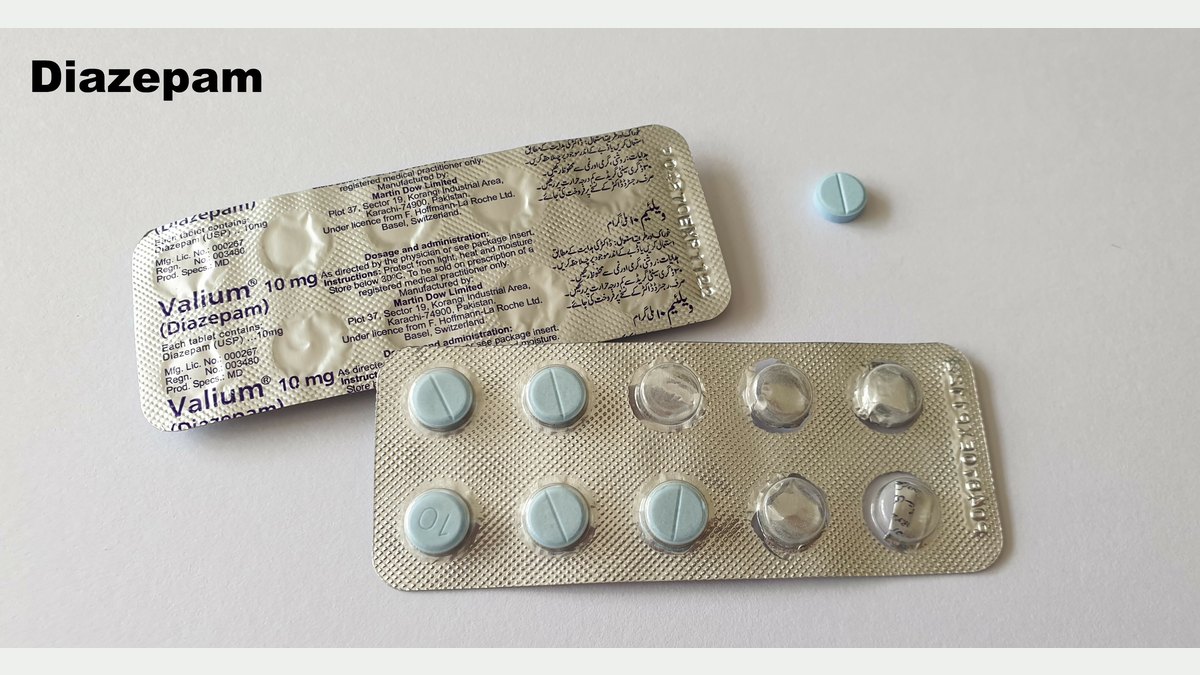
Photo: DMTrott · 2017 · CC BY-SA 4.0 · framed · Illustrative image.
At a glance
Diazepam is a benzodiazepine used in specific circumstances including some short-term anxiety, muscle spasm, seizure or withdrawal settings. The intended duration and supervision depend on the reason for treatment. HSE guide
The Science Behind the Drug
GABA signalling, sedation and persistence
Diazepam binds a regulatory site on selected GABA-A receptors. It enhances the receptor’s response to the body’s inhibitory neurotransmitter GABA. Greater inhibitory signalling can reduce anxiety, muscle tone and seizure activity and also cause sedation. Active metabolites help explain why effects can persist after the last dose. HSE source
What the evidence measures
Track the target symptom and the effect on alertness, memory and balance. A short-term calming effect does not tell you how useful or safe ongoing use would be. Duration, tolerance and withdrawal risk belong in the review.
Before a review, note two things
| What to check | Why it matters |
|---|---|
| When it was used | reason, time and any missed doses |
| What followed | symptom relief, daytime sleepiness, falls or memory changes |
Why can its effects persist beyond the evening?
The parent medicine and some active breakdown products stay in the body for a relatively long time. Other sedatives, age and individual clearance affect how noticeable that is the next day.
When to ask for help or a medication review
Alcohol and opioids increase sedation and breathing risk. If you have used diazepam regularly, ask the prescriber about a stopping plan. Slow breathing or unresponsiveness needs emergency help. HSE patient guidance
How the effect can carry into the next day
Diazepam is converted to several substances that can remain pharmacologically active. With repeated exposure, a previous dose can still contribute to sleepiness, slowed reactions or poor balance after the person feels that the immediate calming effect has passed. Age, liver function and concurrent sedatives can change how noticeable this is. Review both the reason for use and when the effect interferes with normal activity. HSE diazepam guidance
A record that helps with a stopping discussion
Bring the actual prescription, how long you have been using it and whether your use is daily or intermittent. Record what happens when you miss or delay a dose, and distinguish the original symptom from new symptoms appearing after a change. Dependence and withdrawal can develop with regular use, so ask about a prescriber-led plan instead of changing the schedule yourself. NICE dependence and withdrawal guideline
Ask the pharmacist to check other sedatives, including opioids, sleeping tablets and alcohol. If someone taking diazepam is extremely difficult to wake or breathing abnormally, seek emergency help. The codeine and zopiclone guides explain why medicines from different groups can still contribute to the same sedation risk. HSE diazepam guidance
Related guides
Codeine · Paracetamol · Pregabalin · Zolpidem · Zopiclone · How to find the Irish patient leaflet
A blister pack of diazepam tablets. Image licence.