Paracetamol for children in Ireland | Fever signalling, liquid strengths and safe measurement
Fever signalling, liquid strengths and safe measurement.
 Health / The Compound journal
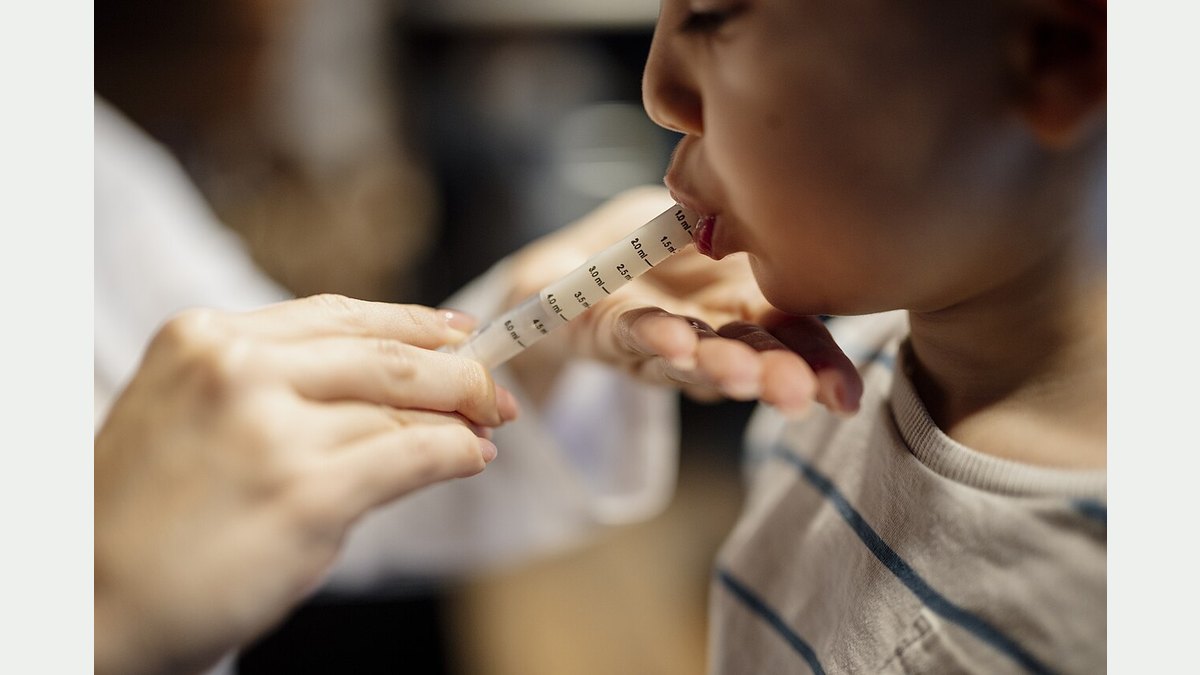
Photo: Shixart1985 · 2026 · CC BY 2.0 · framed · Illustrative image.
At a glance
Children’s paracetamol is used for pain or fever. Different products can contain different concentrations, so equal volumes of two bottles may deliver different amounts. HSE guide
The Science Behind the Drug
Fever signalling, liquid strengths and safe measurement
The effect on pain and temperature happens mainly in the central nervous system. During illness, signals including prostaglandins can change the temperature set point in the brain. Paracetamol can reduce fever without treating the infection. The liver handles the medicine and overdose can damage it. HSE source
What the evidence measures
Look at comfort, hydration, alertness and breathing along with temperature. Serious illness can exist even when a fever temporarily falls. Seek age-appropriate clinical advice if the child is very unwell or you are worried.
A two-carer handover record
| What to check | Why it matters |
|---|---|
| Before giving a product | check the label and included measuring tool |
| Afterwards | record product, amount and time where both carers can see it |
Why use the syringe supplied with the medicine?
The device is intended to measure the amount specified by that product. Tell a pharmacist if the device is missing or if the label uses a measurement you are unsure how to read.
When to ask for help or a medication review
If the amount already given is unclear or overdose is suspected, get urgent professional advice. Use the supplied oral syringe or measuring device and the directions for that specific child and product. HSE patient guidance
Tell the difference between volume, strength and amount of medicine
Millilitres describe how much liquid is measured. The concentration tells you how much medicine is in a given volume. A second bottle with a different concentration can deliver a different amount of paracetamol even if the volume looks the same on the syringe. Use the device and directions associated with the particular product. Ask a pharmacist to confirm instructions if a new bottle looks different or the measuring device is missing. HSE children’s paracetamol guidance
A handover example for two carers
Imagine one carer gave medicine before bed and a second carer takes over at night. A note saying “gave Calpol” is ambiguous. A better note records the full product name, the concentration on the bottle, how much was given using the supplied device, and the time. Include other products taken, since some combination medicines also contain paracetamol. If an extra dose may have been given or you are unsure what was taken, seek urgent professional advice. HSE children’s paracetamol guidance
When describing illness to a clinician, add alertness, hydration, breathing and how the child behaves after a fever falls. A lower temperature is one observation. It cannot on its own establish that the underlying illness has improved. HSE fever guidance
A medicine handover you can copy
| Child | Full product name and concentration | Amount actually given | Date and time | Initials |
|---|---|---|---|---|
| … | … | … | … | … |
The log records what happened. Use the pack and professional instructions to decide how to give the product. Keeping one shared record is especially useful where more than one carer is involved. HSE children’s paracetamol guidance
Related guides
Paracetamol · Ibuprofen · How to find the Irish patient leaflet
An oral syringe being used to give a child a liquid medicine. Image licence.