What is ibuprofen? Uses, adult doses and safety in Ireland
Ibuprofen relieves pain, reduces inflammation and lowers fever. Learn who should check with a pharmacist first and how to read the directions on your pack.
 Health / The Compound journal
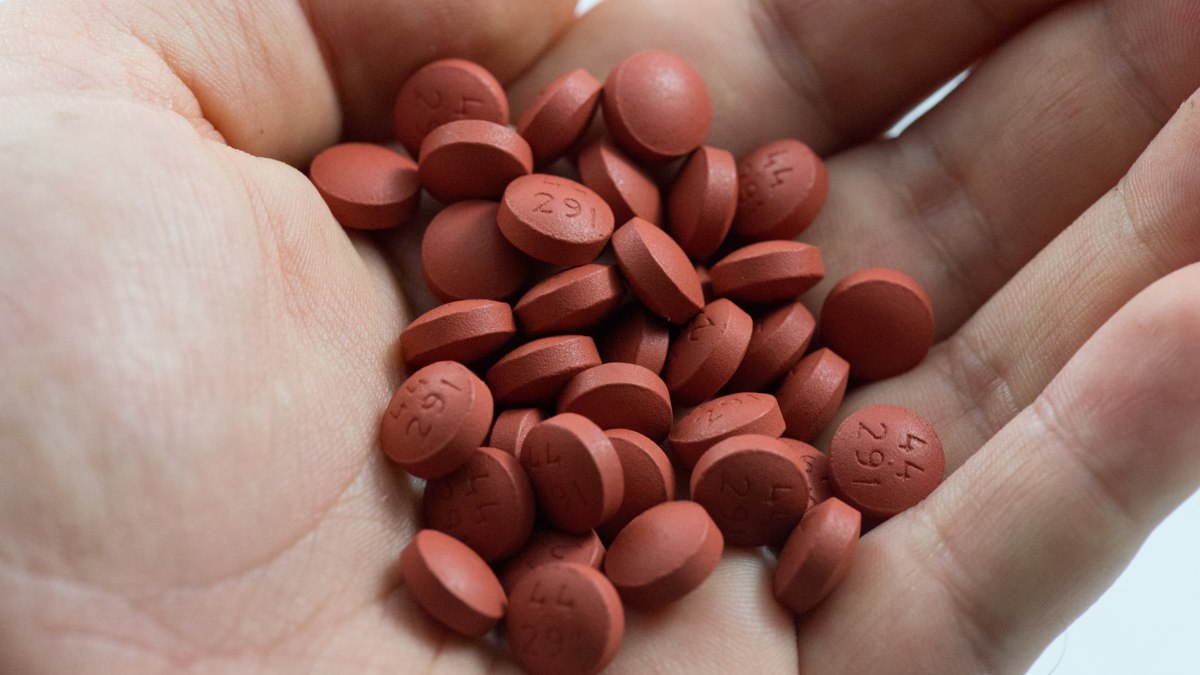
Photo: Derrick Coetzee, 2013 · CC0 1.0 · cropped · Illustrative image.
Ibuprofen is an anti-inflammatory painkiller that also lowers a high temperature. It belongs to a group of medicines called non-steroidal anti-inflammatory drugs (NSAIDs). Adults use it for symptoms such as period pain, toothache, headaches and pain from a sprain or strain. Some oral ibuprofen products, including Nurofen 200 mg coated tablets, are available in Irish pharmacies without a prescription. HSE NSAID guide
This guide covers oral ibuprofen for adults in Ireland. Follow the leaflet for your exact product. Sources checked 19 November 2026.
The Science Behind the Drug
Ibuprofen inhibits cyclooxygenase enzymes, often called COX enzymes. These enzymes help turn arachidonic acid, a fatty acid in cell membranes, into precursors for prostaglandins. Prostaglandins are chemical messengers. In injured or inflamed tissue, some make nearby pain-sensing nerves more sensitive. Others contribute to inflammation and fever.
When ibuprofen slows prostaglandin production, pain signals become less easily triggered and inflammation can ease. The same pathway also makes prostaglandins that help protect the stomach lining. Reducing those protective signals helps explain the risk of stomach irritation, ulcers and bleeding described below. HPRA prescribing information · Review of NSAIDs and stomach protection
Who should check before taking ibuprofen?
Speak to your pharmacist or GP first if you have asthma, a history of stomach ulcers, high blood pressure, or problems with your kidneys, liver or heart. If aspirin, ibuprofen or another NSAID has caused wheezing, swelling or another allergic reaction, avoid ibuprofen and ask about alternatives. The HSE advises against using ibuprofen if you have chickenpox. HSE precautions
If you’re pregnant, check with your GP or pharmacist before taking it. The product leaflet says to avoid ibuprofen during the last three months of pregnancy and to use it earlier only if advised by a doctor. It also flags additional fetal risks from 20 weeks onward, particularly if taken for more than a few days. Ask a pharmacist or GP if you’re trying to get pregnant or are breastfeeding. HPRA patient leaflet
How much ibuprofen can adults take?
For Nurofen 200 mg coated tablets, the Irish patient leaflet gives a starting dose of two tablets (400 mg). If needed, the leaflet allows one or two tablets for later doses, leaving at least four hours between doses. The maximum is six tablets (1,200 mg) in 24 hours. Use the lowest effective dose for the shortest time. The leaflet advises contacting a doctor if symptoms worsen or fail to improve after three days. Follow your own packet if you have a different product, a different strength or a prescription. HPRA patient leaflet
Can you take ibuprofen with other medicines?
Avoid combining ibuprofen with another NSAID, such as naproxen or aspirin taken for pain, unless a healthcare professional advises it. If you take low-dose aspirin, an anticoagulant such as warfarin, steroid tablets or medicines for blood pressure, check with a pharmacist or GP first. Keep taking prescribed medicines as directed and ask whether ibuprofen is suitable alongside them. The HSE advises against taking ibuprofen and paracetamol at the same time unless your GP advises it. HSE interactions · HSE paracetamol guide
What side effects need medical attention?
Indigestion and nausea can occur. Stop taking ibuprofen and seek urgent medical help if you vomit blood or pass black, tarry stools, which can signal stomach or gut bleeding. Call 112 or 999 for breathing difficulty or swelling of the face, lips, tongue or throat. HSE side effects and warning signs
If you take more than directed, seek immediate advice from a doctor or hospital. You can also call Ireland’s poisons line on 01 809 2166 (8am–10pm daily). Call 112 or 999 for a seizure, breathing difficulty or loss of consciousness. HPRA patient leaflet · National Poisons Information Centre
Browse the Common Medicines guides.
Photo licence: CC0 1.0.
Why the same pathway matters during dehydration
Ibuprofen reduces the production of prostaglandins involved in inflammation and pain. Some prostaglandins also help support blood flow within the kidney when circulation is under stress. Dehydration from vomiting, diarrhoea or poor intake can make that support more important. Kidney disease and medicines such as a diuretic or an ACE inhibitor can also affect the judgement about whether a short course is suitable. Bring the actual prescription list when you ask a pharmacist. HSE NSAID guidance
Check for overlap and what you want to achieve
Look at cold remedies, combination pain medicines and topical products alongside the packet labelled ibuprofen. Write down the active ingredients and forms so a pharmacist can spot possible duplication. If you take low-dose aspirin for vascular protection, ask specifically about that combination. Irish Nurofen patient leaflet
For an injury, an improvement in sleep, ability to walk or comfortable movement is more informative than pain intensity alone. Note what you were able to do and how long the change lasted. Persistent or worsening symptoms may call for assessment of the cause. Bloody vomiting or tarry stools needs urgent assessment. HSE NSAID guidance