NSAIDs in Ireland | Cyclo-oxygenase, inflammation and where risk comes from
Cyclo-oxygenase, inflammation and where risk comes from.
 Health / The Compound journal
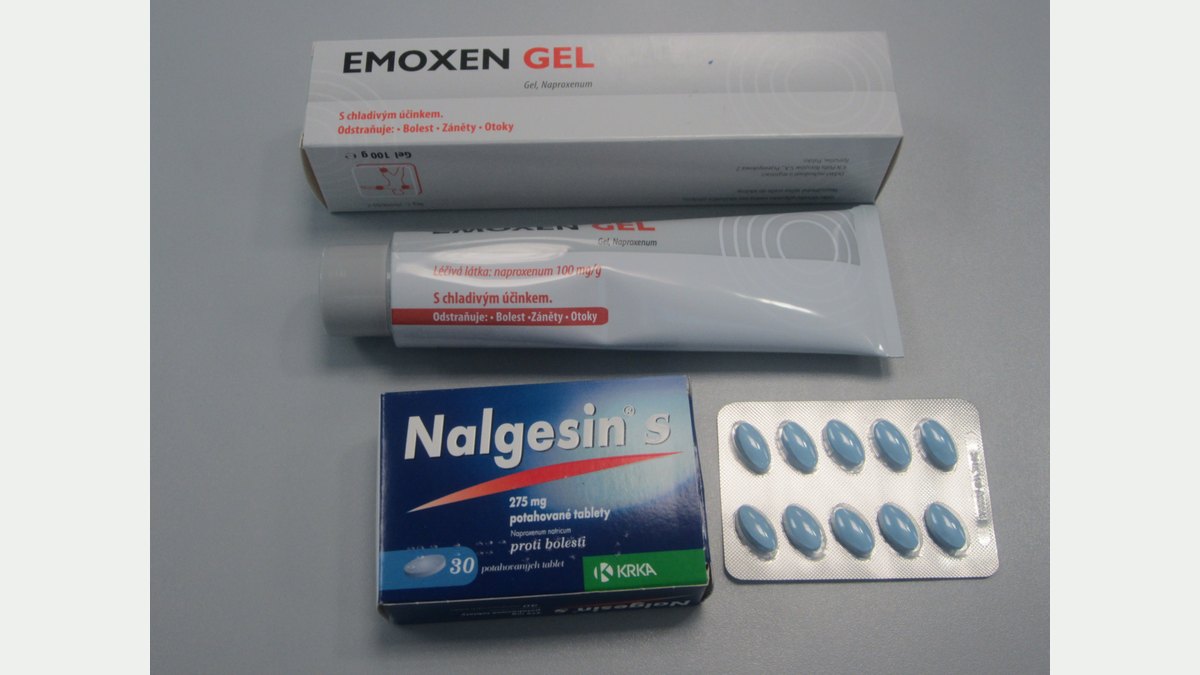
Photo: Irib · 2014 · CC BY-SA 3.0 · framed · Illustrative image.
At a glance
Non-steroidal anti-inflammatory drugs are used for pain and inflammation. Oral and topical products have different exposure, and medicines within the class have different safety profiles. HSE guide
The Science Behind the Drug
Cyclo-oxygenase, inflammation and where risk comes from
COX enzymes help make prostaglandins. Reducing prostaglandin production can reduce pain sensitisation and inflammation. Prostaglandins also help protect the stomach and maintain blood flow to the kidneys in some circumstances. Those roles help explain why blocking the pathway can cause harm as well as relief. HSE source
What the evidence measures
Look for a meaningful change in movement or the activity that prompted treatment. Evidence varies by condition, duration and formulation. A short-term pain score does not measure the chance of gastrointestinal or kidney complications.
Check your list for duplicate NSAIDs
| What to check | Why it matters |
|---|---|
| Prescriptions | list any tablets, capsules and gels by ingredient |
| Over-the-counter items | check combination cold and pain products |
Why include gels at a medicines review?
A gel and a tablet can contain medicines in the same class. The amount reaching circulation generally differs, but the prescriber needs to know both products to judge duplication and overall risk.
When to ask for help or a medication review
Use a pharmacist to check interactions, especially if you take a blood thinner or a combination of a diuretic and some blood pressure medicines. Signs of gastrointestinal bleeding need urgent assessment. HSE patient guidance
Follow the prostaglandin pathway beyond the painful area
Prostaglandins make some pain endings more sensitive during inflammation, but they also help maintain the stomach lining and support kidney circulation in certain situations. Reducing prostaglandins can therefore improve pain while increasing the risk of bleeding or kidney problems for some people. A history of stomach ulcer, dehydration or kidney disease matters even when the intended use is brief. HSE NSAID guidance
Put topical, oral and occasional treatments on the same list
Write the ingredients of topical gels, period-pain tablets and cold remedies alongside regular prescriptions. Exposure from the skin is usually different from exposure after swallowing a tablet, but the ingredient and the amount of skin treated still matter. If you take an ACE inhibitor, a diuretic or a drug that affects clotting, ask the pharmacist to check the combination before adding an NSAID. HSE NSAID guidance
To judge benefit, record what you could do more comfortably and how long the improvement lasted. If pain still limits the same tasks or is getting worse, ask whether it needs a different assessment. Bloody vomiting or black, tarry stools warrant urgent advice. HSE NSAID guidance
Related guides
Allopurinol · Low-dose aspirin · Clopidogrel · Warfarin · How to find the Irish patient leaflet
Several non-steroidal anti-inflammatory products including naproxen. Image licence.