Ramipril in Ireland | ACE, bradykinin and follow-up blood tests
ACE, bradykinin and follow-up blood tests.
 Health / The Compound journal
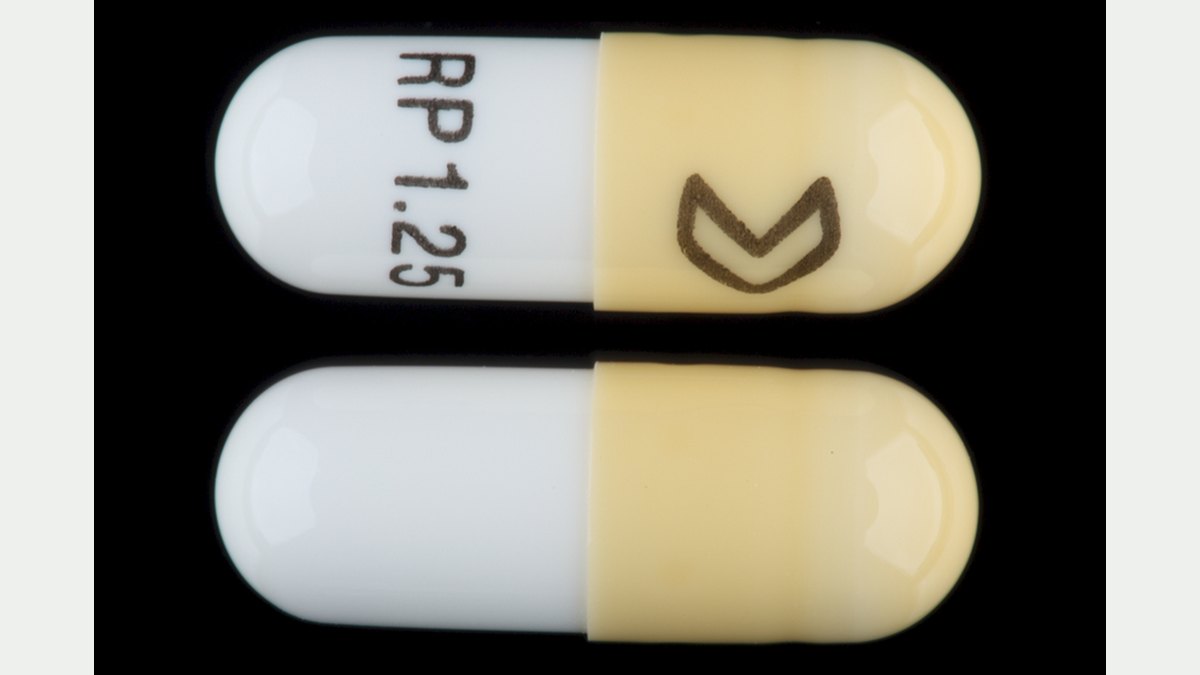
Photo: NLM · 2011 · Public domain · framed · Illustrative image.
At a glance
Ramipril is an ACE inhibitor prescribed for several cardiovascular indications. A clinician may use it to lower blood pressure, manage heart failure or reduce risk in particular situations. HSE guide
The Science Behind the Drug
Why an ACE inhibitor can change potassium and creatinine
Ramipril is converted to ramiprilat, which inhibits angiotensin-converting enzyme. Less angiotensin II means less vasoconstriction and altered aldosterone release. ACE also breaks down bradykinin, so inhibiting it can contribute to a persistent dry cough. Changes in kidney blood flow and aldosterone help explain why creatinine and potassium are monitored. NHS SPS source
What the evidence measures
Blood pressure readings assess one intended effect. Creatinine and potassium help assess safety. Long-term clinical benefits depend on the condition studied and cannot be inferred from a single blood pressure reading.
A blood-test review in two lines
| What to check | Why it matters |
|---|---|
| Creatinine or eGFR | helps assess kidney function |
| Potassium | helps assess the effect of changes in kidney handling and aldosterone |
What can cause a change in the next blood result?
Illness, dehydration or other medicines can affect the same measurements. Record changes and dates rather than attributing the whole result to ramipril by itself.
When to ask for help or a medication review
Tongue or throat swelling is an emergency. Check anti-inflammatory painkillers, potassium products and pregnancy plans with your care team. Ask for an individual plan for illness or dehydration. HSE patient guidance
Why a kidney blood test can change after treatment starts
Angiotensin II helps regulate pressure within the kidney’s filtering units. ACE inhibition can change that pressure, which is one reason clinicians follow creatinine or estimated kidney function after starting or changing treatment. The change is interpreted together with previous results and circumstances such as illness, dehydration or other medicines. Potassium is monitored for a different reason, related to changes in how the body handles that electrolyte. ACE inhibitor monitoring guidance
Notes to bring when the treatment is reviewed
Bring the reason for starting ramipril, home readings where requested, and a list of new prescriptions, painkillers or salt substitutes. Include the timing of any cough or dizziness so the prescriber can consider other causes and whether the symptoms followed a medicine change. Ask for a specific plan if vomiting or diarrhoea affects how much you can drink. HSE ramipril guidance
A persistent dry cough can be reviewed with the prescriber. Tongue or throat swelling, especially with breathing difficulty, needs emergency help. If taking ramipril with amlodipine, ask what the blood tests and readings are intended to assess. HSE ramipril guidance
Related guides
Amlodipine · Lercanidipine · Perindopril · Beta blockers · Furosemide · How to find the Irish patient leaflet
A ramipril capsule.