Low-dose aspirin in Ireland | Platelets, thromboxane and prevention decisions
Platelets, thromboxane and prevention decisions.
 Health / The Compound journal
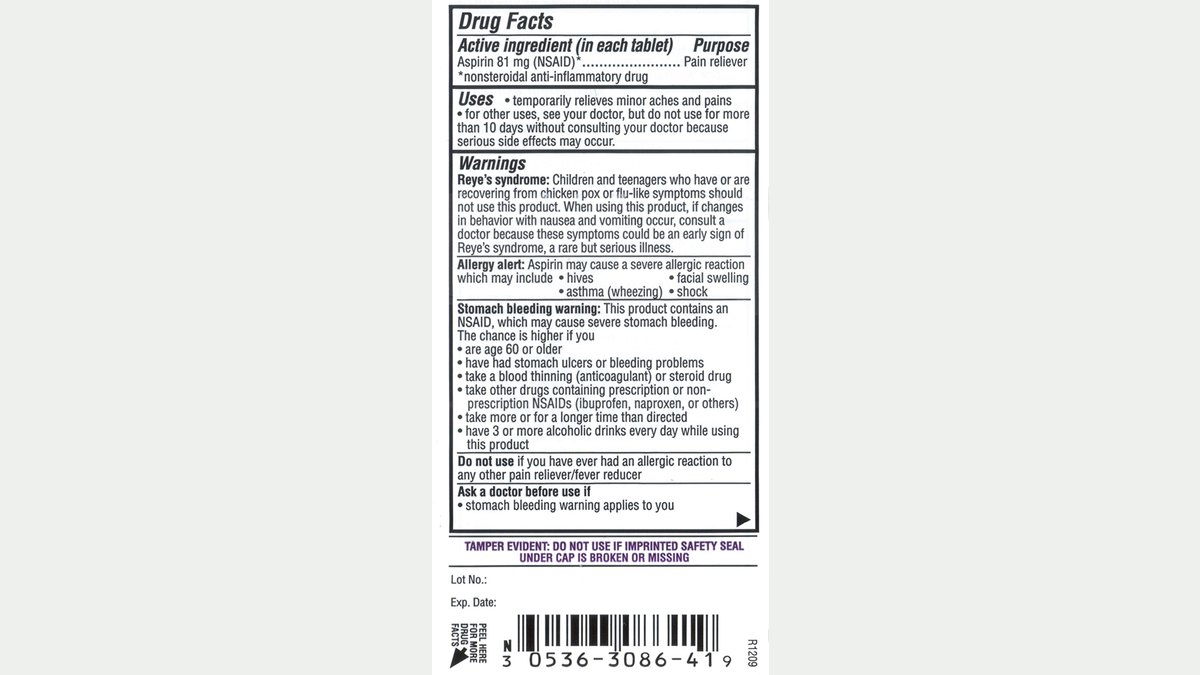
Photo: The U.S. Food and Drug Administration · 2013 · Public domain · framed · Illustrative image.
At a glance
Low-dose aspirin is an antiplatelet medicine. The balance of benefit and harm depends strongly on the reason it was prescribed, including whether someone has already had a vascular event. HSE guide
The Science Behind the Drug
Why aspirin changes clotting and bleeding together
Platelets use cyclo-oxygenase-1, also called COX-1, to make thromboxane A2. This signal helps recruit additional platelets. Aspirin irreversibly acetylates platelet COX-1. Platelets cannot replace the enzyme as readily as cells with a nucleus, so the effect persists in affected platelets as the body gradually makes new ones. DailyMed source
What the evidence measures
For people with established vascular disease, evidence is often about preventing another event. For people without it, the starting risk differs and serious bleeding must be weighed against any reduction in vascular events. Look for absolute risks over a stated period when comparing studies.
In ASPREE, 19,114 generally healthy older adults without established cardiovascular disease were followed for a median of 4.7 years. The rates of cardiovascular events were 10.7 with aspirin and 11.3 with placebo per 1,000 person-years. The difference was not statistically clear. Major bleeding rates were 8.6 and 6.2 per 1,000 person-years respectively. A person-year measures time under observation, so these rates are not the same as five-year risks per 1,000 people. The trial addressed prevention of a first event in this group. ASPREE trial
Two different prevention questions
| What to check | Why it matters |
|---|---|
| After an event | what is my reason for ongoing antiplatelet treatment? |
| Before any event | how would my baseline risk and bleeding history affect the decision? |
Why do prevention studies report bleeding and vascular events separately?
The medicine can change both outcomes. A smaller probability of a vascular event must be weighed against the probability and severity of bleeding in the same population and timeframe.
When to ask for help or a medication review
Mention other antiplatelet or anticoagulant medicines, and check before adding an anti-inflammatory painkiller. Vomiting blood or black, tarry stools needs urgent assessment. Check with the prescribing team before changing treatment. HSE patient guidance
Why a tablet coating does not settle the bleeding question
An enteric coating changes where the tablet dissolves. Aspirin’s effect on platelets persists after it has been absorbed. Questions about bleeding therefore include your history of ulcers, previous bleeding and other medicines as well as the type of product. If you buy an anti-inflammatory painkiller or take another antiplatelet, show both packs to the pharmacist. HSE aspirin guidance · HSE NSAID guidance
Make sure the reason for treatment is recorded
For someone who has had a heart attack or a stroke due to a blocked artery, the reason for considering an antiplatelet is different from the question of taking aspirin before any such event. Personal risks and the other medicines used matter in both. The ASPREE figures above answer a specific primary prevention question in older adults and should be read in that context. ASPREE trial
Before a procedure, bring the date and reason aspirin was started and the name of any anticoagulant or second antiplatelet. The procedural and prescribing teams can agree a plan. The clopidogrel and warfarin guides explain the different targets clinicians mean when they use the phrase “blood thinner.” HSE aspirin guidance
Read person-years as time observed
A rate per 1,000 person-years combines follow-up time across participants. It is useful for comparing study groups with different observation times. A five-year risk instead describes the proportion expected to have the outcome over five years. The two measures are related, but cannot be read as the same number. When a headline says “per 1,000”, look for the period and whether it is an event rate or a probability. ASPREE trial
Related guides
Clopidogrel · Warfarin · NSAIDs · How to find the Irish patient leaflet
Archival US FDA photograph of a recalled low-dose aspirin pack.