Furosemide in Ireland | Salt transport in the kidney and monitoring fluid balance
Salt transport in the kidney and monitoring fluid balance.
 Health / The Compound journal
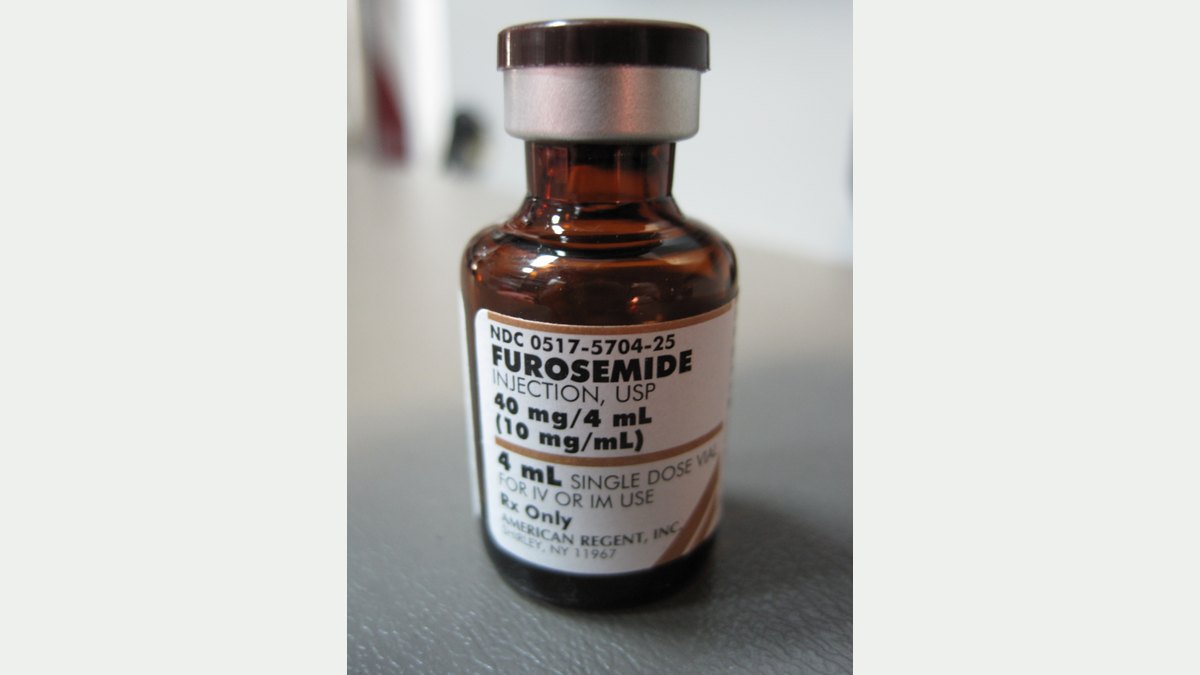
Photo: Intropin · 2010 · CC BY 3.0 · framed · Illustrative image.
At a glance
Furosemide is a loop diuretic used to reduce excess fluid in certain conditions. It changes how the kidney handles salt, which increases urine output. HSE guide
The Science Behind the Drug
Salt transport in the kidney and monitoring fluid balance
In the thick ascending limb of the loop of Henle, the NKCC2 transporter reabsorbs sodium, potassium and chloride. Furosemide blocks that transporter, increasing sodium and water excretion. The change can also affect potassium and other electrolytes, which explains part of the need for monitoring. DailyMed source
What the evidence measures
Urine output after a dose is an immediate effect. The benefit of long-term treatment is assessed in context through symptoms, weight trends, examination and blood tests. A change in weight can reflect fluid without revealing the cause by itself.
A fluid review pairs observations
| What to check | Why it matters |
|---|---|
| At home | weight and symptoms as agreed with your team |
| At the clinic | blood pressure, kidney function and electrolytes |
Can more frequent urination tell me whether fluid control is adequate?
It tells you a short-term effect occurred. The overall response also depends on breathlessness, swelling, weight trends, blood pressure and what the clinical team finds.
When to ask for help or a medication review
Ask how to respond to a stomach illness, dizziness or markedly reduced fluid intake. Discuss anti-inflammatory pain medicines and avoid changing the prescription on the basis of a single weight reading. HSE patient guidance
The same action can help swelling and disturb blood chemistry
The kidney moves sodium at many points along its tubules. When furosemide blocks the loop transporter, more sodium and water pass through to the urine. The change in salt delivery further along the tubule can also affect potassium handling. Blood tests and symptoms help the clinician tell whether the fluid balance is improving without excessive volume loss or electrolyte change. Furosemide monitoring guidance
What to write down between clinic visits
Use the weighing and monitoring plan you have been given. Record the conditions of each measurement, since a reading after breakfast on a different scale may be a poor comparison with earlier ones. Add ankle swelling, breathlessness, changes in activity and episodes of dizziness. A weight trend, new breathlessness and a new medicine together tell a more useful story than any one figure. HSE furosemide guidance
Ask who to contact if you are vomiting, have diarrhoea, are eating or drinking much less, or have a change in urine output. Bring the names of any new anti-inflammatory painkillers or blood pressure medicines. They can be relevant when the team reviews kidney function and the overall prescription. Furosemide monitoring guidance
Related guides
Ramipril · Lithium · How to find the Irish patient leaflet
A vial labelled furosemide. Image licence.