Lithium in Ireland | Brain signalling and a narrow therapeutic range
Brain signalling and a narrow therapeutic range.
 Health / The Compound journal
Photo: P3829 · 2026 · CC0 · framed · Illustrative image.
At a glance
Lithium is a mood stabiliser used in certain mood disorders. It requires regular blood tests and a plan for what to do if illness, other medicines or fluid intake changes. HSE guide
The Science Behind the Drug
Brain signalling and a narrow therapeutic range
Lithium influences several intracellular signalling systems. Proposed effects include changes in inositol metabolism and kinase signalling, but the full link to mood stabilisation is incompletely understood. Lithium is cleared mainly by the kidneys. Changes in kidney handling of salt and water can change lithium levels and toxicity risk. HSE source
What the evidence measures
Treatment reviews combine symptom course and relapse prevention with a blood level taken at the specified time relative to the dose. Kidney function, thyroid function and other monitoring provide different information about long-term safety.
Keep a record with each blood level
| What to check | Why it matters |
|---|---|
| Dose time | record when the last dose was taken |
| Context | note recent illness and changes to prescribed or over-the-counter medicines |
Why does the time of a blood sample matter?
A blood level changes after a dose. The clinic wants a measurement at a defined time so it can compare the result with previous tests and the range used for that treatment plan.
When to ask for help or a medication review
New coarse tremor, confusion, marked drowsiness, poor coordination, or vomiting and diarrhoea can signal toxicity. Seek urgent medical advice if these occur. Check anti-inflammatory painkillers, diuretics and blood pressure medicines with the care team. HSE patient guidance
Why a blood result needs the time of the last dose
Lithium blood levels change during the interval between doses. Test timing allows the clinician to compare one result with another and decide whether it is meaningful. Record the time of your last dose, the time the sample was taken and any missed doses, illness or change to the product. Take those details to the review even when the result appears in your records first. Lithium monitoring guidance
How ordinary changes can affect lithium safety
Lithium is largely cleared by the kidneys. Changes in fluid balance, kidney function or some other medicines can therefore make the same prescribed dose behave differently. Ask for instructions before using an NSAID painkiller and tell the prescriber about diuretics or ACE inhibitors. Significant vomiting, diarrhoea or dehydration is relevant. Coarse tremor, confusion, drowsiness or problems with coordination need urgent assessment as potential signs of toxicity. HSE lithium guidance · Lithium monitoring guidance
Bring questions about the ongoing monitoring plan. A lithium level answers a different question from a kidney, thyroid or calcium result. The review should also consider the condition being treated and any symptoms that already existed before lithium was started.
Related guides
Furosemide · Ramipril · How to find the Irish patient leaflet
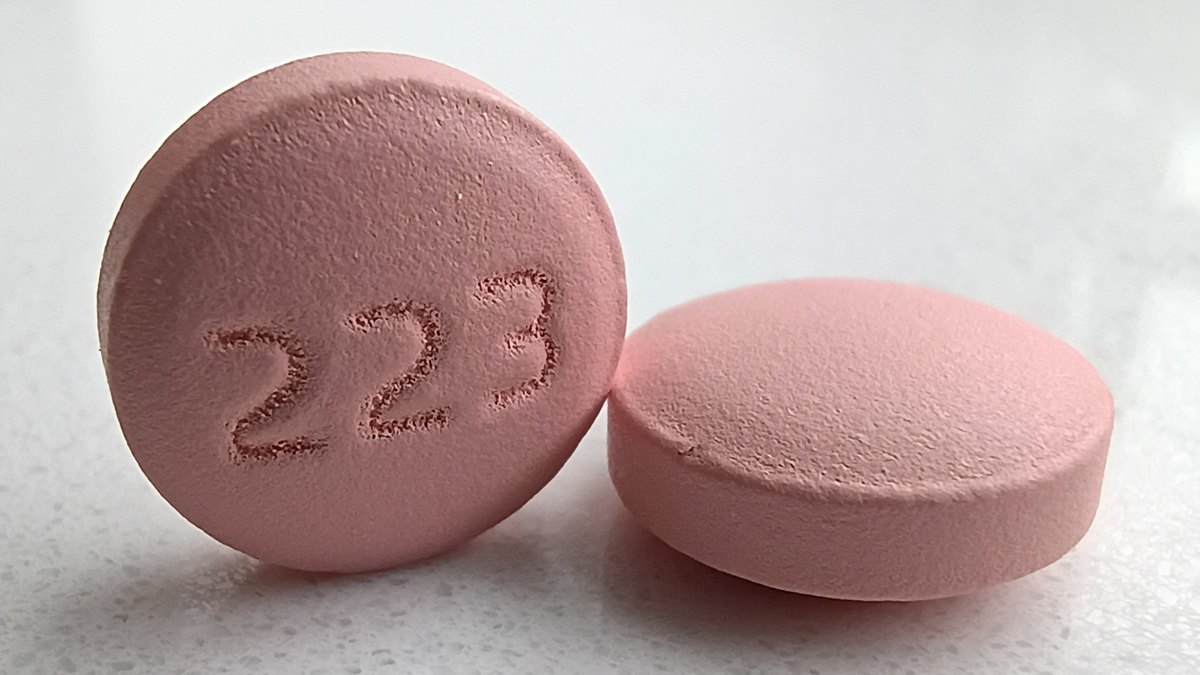
An extended-release lithium carbonate tablet. Image licence.