Western Digital Earnings: The AI Storage Boom Is Turning Into Cash
Western Digital Q1 FY2027 earnings: revenue climbs 55%, free cash flow reaches $1.38bn and the next-quarter outlook raises the stakes.
 Wealth / The Compound journal
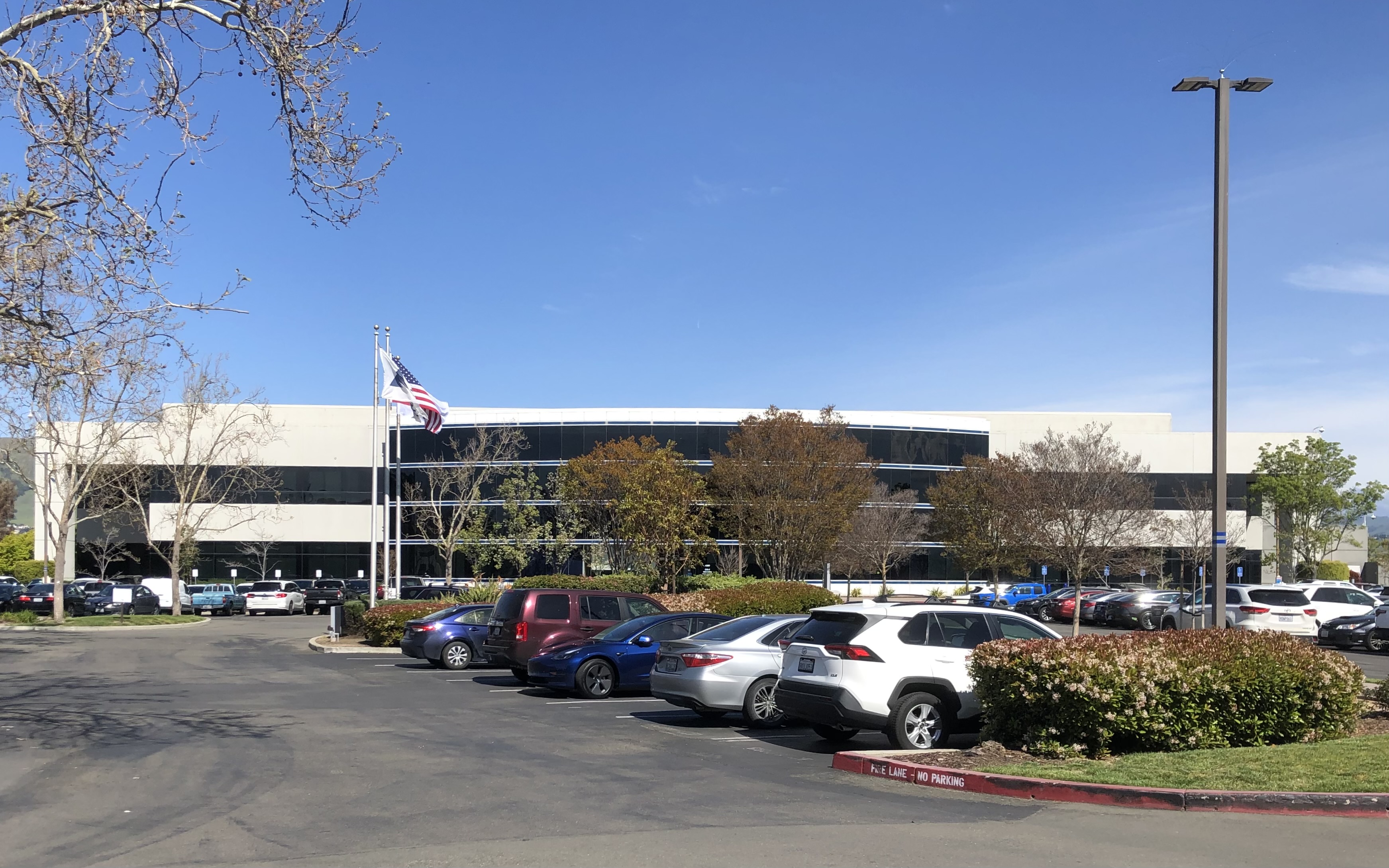
Photo: Coolcaesar / Wikimedia Commons — 11 November 2021, archival; CC BY-SA 4.0 · Illustrative image.
Western Digital’s latest quarter makes a useful distinction in the AI investment debate: selling the infrastructure can already generate substantial cash, even while the eventual returns for its buyers remain uncertain.
The company released its results on 22 October 2026, for the quarter ended 2 October 2026. This is Q1 of fiscal 2027, despite taking place in calendar 2026.
The quarter in numbers
| Measure | Q1 FY2027 | Q1 FY2026 |
|---|---|---|
| Revenue | $4.381bn | $2.818bn |
| GAAP operating income | $2.046bn | $792m |
| GAAP operating margin | 46.7% | 28.1% |
| Adjusted diluted EPS | $4.64 | $1.78 |
| Free cash flow | $1.377bn | $599m |
Source: SEC earnings release. Adjusted EPS and free cash flow are non-GAAP measures; the release reconciles them to reported results.
Revenue grew 55% year on year and 17% sequentially. Operating cash flow of $1.604bn, less $227m of net property and equipment purchases, produced the free-cash-flow figure above. That represents approximately 31% of revenue, calculated by Compound.
The attraction here is not simply a rising sales line. A supplier that retains a meaningful share of sales as cash has more flexibility to fund product development, strengthen its balance sheet or return money to shareholders. That gives investors something more concrete to assess than an addressable-market forecast.
Cloud demand brings opportunity and concentration
The SEC segment disclosure reports $3.868bn of cloud revenue, versus $320m from client products and $193m from consumer products. Cloud therefore supplied approximately 88% of sales, our calculation.
This is a concentrated exposure. Investors buying a broad-sounding storage name should recognise how heavily the investment case now depends on cloud customers’ spending decisions. Strong demand from a handful of large buyers can support pricing and manufacturing efficiency. It can also leave suppliers exposed when those buyers pause orders or negotiate harder.
Cloud revenue is not a separately disclosed measure of AI revenue. Treating the entire category as AI sales would imply a precision the filing does not provide.
For context, our Meta earnings analysis examines the spending burden from the infrastructure buyer’s side. Both stories can be true at once: a supplier can earn excellent returns while its customer still has to prove the economics of the wider investment programme.
The next quarter raises the bar
Management forecasts $5.0bn–$5.2bn revenue, 60%–61% adjusted gross margin and $5.60–$6.00 adjusted EPS for Q2 FY2027. These are forecasts, not completed results.
The midpoint implies roughly 16% sequential revenue growth. The question shifts from whether demand exists to whether the business can deliver another step up without sacrificing pricing or execution.
Investors should avoid turning one quarter’s free cash flow into a permanent annual run rate. Working capital, manufacturing investment and customer order timing can all alter cash conversion. Likewise, multiplying a peak quarterly profit by four can make a cyclical business look deceptively inexpensive.
What would strengthen the investment case?
Our focus would be on three things: whether cash conversion survives further growth, whether margins remain healthy as supply expands, and whether demand becomes less dependent on a narrow customer group. A revenue beat alone cannot settle those questions.
Western Digital has delivered a quarter in which growth, operating profitability and cash generation reinforce each other. The remaining investment question is the price shareholders must pay for that performance—and how much of it can persist through a less favourable spending cycle.
Follow Western Digital’s stock page and compare the cash-flow discussion in our Bloom Energy analysis.
Figures are US dollars. Calculations and editorial interpretation are Compound’s. General information, not personal investment advice.
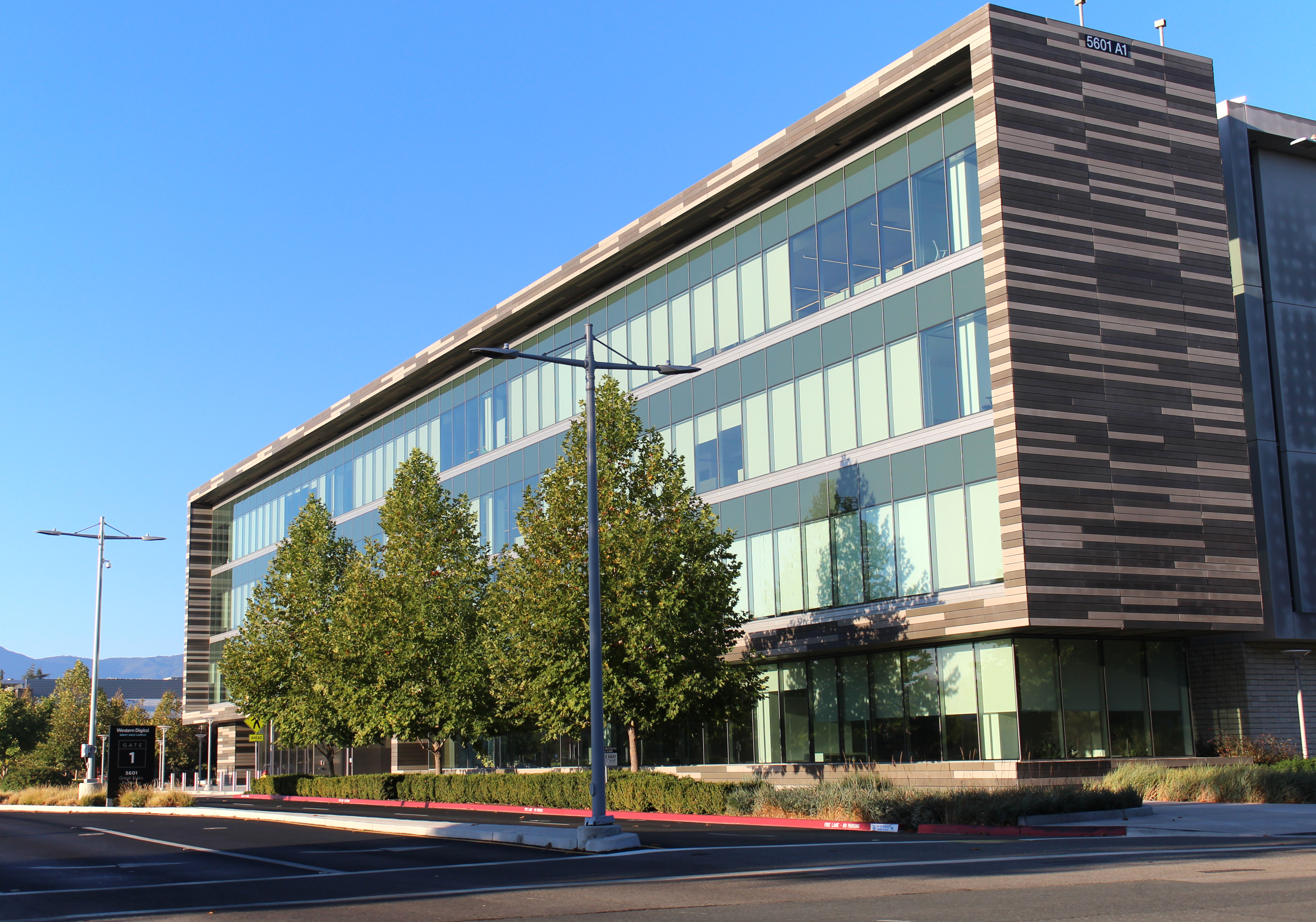
Photograph: Coolcaesar, 11 November 2021. Western Digital headquarters in San Jose, California. Original source; CC BY-SA 4.0. Archival photograph, not the earnings announcement. Resized display versions retain the source licence.