RLX Revenue Rose 69.7%, but the Acquisition Changed the Economics
RLX’s European distribution acquisition drove a 69.7% revenue increase, but gross margin, operating margin and cash conversion weakened. We examine the new economics.
 Wealth / The Compound journal
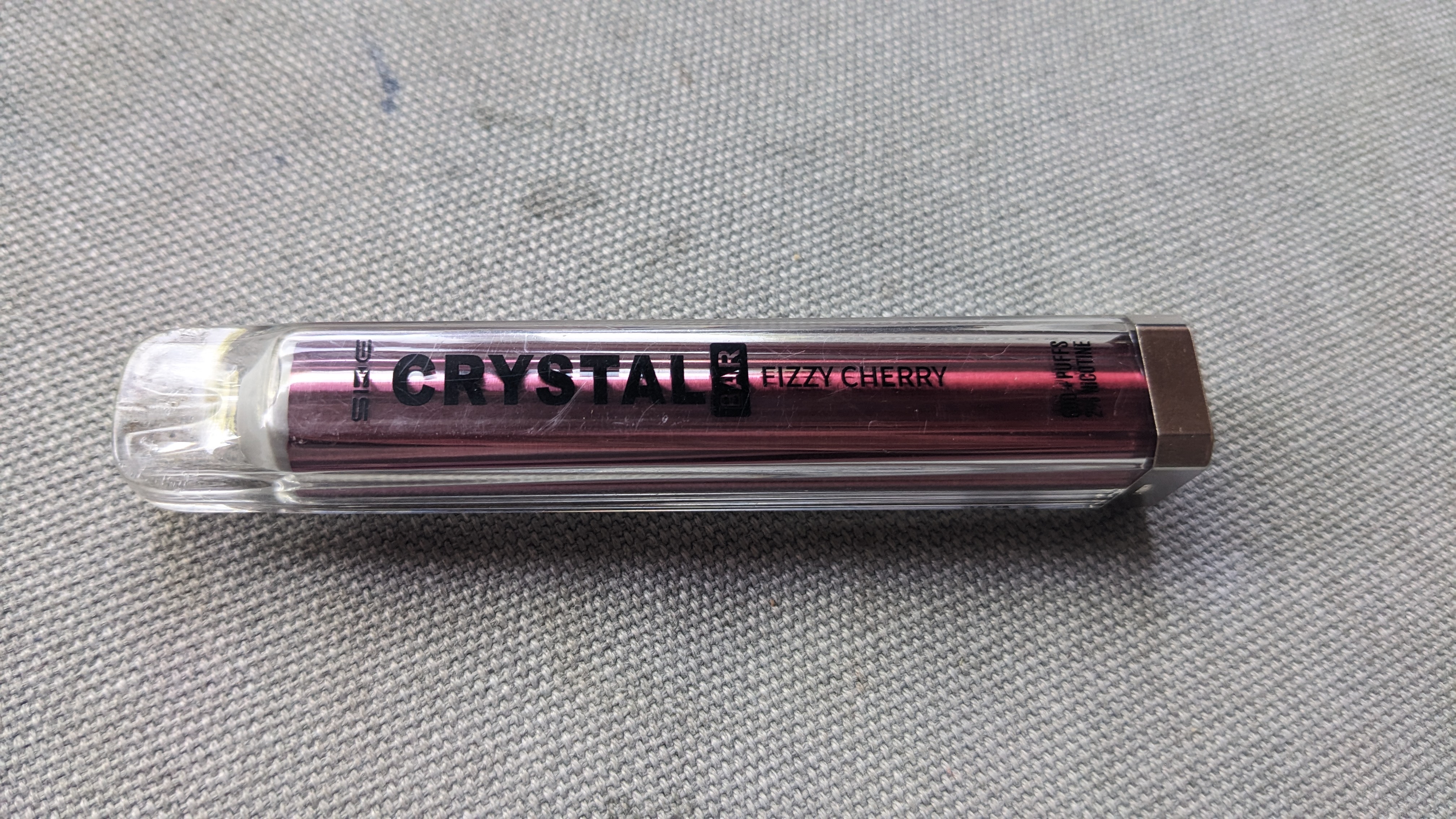
Photo: Donald Trung Quoc Don / Wikimedia Commons, CC BY-SA 4.0. Representative vaping-device photograph captured 16 June 2023; cropped and resized for publication. · Illustrative image.
RLX Technology’s third-quarter revenue growth was spectacular, but it did not come from the old business simply selling 69.7% more. A newly consolidated European distribution platform changed both the size and the economics of the group.
For the three months ended 30 September 2026, net revenue increased to RMB1.92 billion from RMB1.13 billion. International markets supplied 86.5% of the total. Yet gross margin fell to 23.3% from 31.2%, GAAP operating income more than halved and year-to-date operating cash flow turned negative.
That creates the relevant investment question: can RLX turn acquisition-led international reach into better margins and cash conversion, or has it mainly added lower-margin distribution revenue and working-capital demands?
This is an analysis of the company’s reported economics, not a health claim about e-vapor products. Compound does not currently maintain a dedicated RLX stock profile, so none is invented.
Consolidation explains most of the growth story
RLX says the revenue increase was primarily due to consolidating a newly acquired European entity from July 2026. The release does not provide an organic-growth figure for the combined group, so it would be misleading to describe the full 69.7% increase as like-for-like demand growth.
The accounting distinction is important. Acquisition revenue can enlarge the top line immediately, while the acquired customer relationships, inventory, logistics network and minority interests change the cost and capital structure underneath it.
RLX had already bought a European operation in 2025. Its Form 20-F identifies that business as Totally Wicked Holdings Limited and says RLX paid RMB744.3 million for all preference shares and 66.9% of ordinary shares. The current release describes a separate majority interest acquired in July 2026 and records RMB249.6 million of mezzanine equity at quarter-end.
The purchase agreement gives RLX a future call option and the non-controlling holders a put option over part of the remaining interest. That does not establish the eventual cash price, but it means the reported subsidiary is not economically identical to a wholly owned business. Investors should watch the option terms and any future financing requirement.
Gross profit grew much more slowly than revenue
Gross profit increased 26.7% to RMB446.6 million. That is a meaningful gain, but far below the 69.7% revenue increase. Gross margin fell 7.9 percentage points, which RLX attributed primarily to the revenue mix after consolidating the European distribution business.
Distribution commonly carries a different margin profile from brand ownership or direct product sales. The acquisition may still create value if it provides route-to-market control, useful retail data and scale. But those benefits must eventually appear in operating profit and cash, not only revenue.
Operating expenses rose to RMB407.1 million from RMB259.3 million, driven mainly by higher salary and welfare costs and increased shipping and logistics costs. GAAP operating income fell to RMB39.5 million from RMB93.3 million.
Using reported revenue, Compound calculates that GAAP operating margin fell to approximately 2.1% from 8.3%. Non-GAAP operating income also declined, to RMB143.8 million from RMB187.8 million. The non-GAAP measure excludes share-based compensation and acquisition-related amortisation and depreciation; it therefore helps compare operations but does not make those costs disappear for shareholders.
Profit did not become cash at the same rate
GAAP net income was RMB147.1 million, down from RMB206.8 million. Net cash generated by operations was only RMB40.0 million, compared with RMB357.5 million a year earlier.
The nine-month comparison is weaker: operating activities used RMB92.0 million in 2026 after generating RMB794.3 million in the comparable 2025 period. That gap is not proof of a permanent deterioration—working capital can reverse—but it shows why net income alone is not enough to judge acquisition quality.
Management says operating cash flow rebounded sequentially and points to transitional working-capital needs related to the United Kingdom’s October introduction of an excise duty. That is management’s explanation. Confirmation requires subsequent cash-flow statements showing inventories and receivables normalising rather than a continuing absorption of cash.
The balance sheet provides a cushion. RLX reported RMB13.48 billion of cash, restricted cash, deposits and investments at 30 September, equivalent to about US$2.01 billion at the company’s convenience rate of RMB6.7045 per dollar. The total was down from RMB13.88 billion at 30 June. Financial assets provide flexibility, but a broad liquidity total is not the same as unrestricted cash immediately available for every use.
What would prove the international model?
The constructive case needs evidence that RLX can lift the acquired distribution platform’s margin without losing volume. Gross profit should start growing closer to revenue, GAAP operating margin should recover and the business should produce positive operating cash across a full working-capital cycle.
The case would also be strengthened by clear disclosure separating organic growth from acquisition effects and showing the economics of the core and acquired businesses. RLX’s 2025 annual filing already reports Core Markets and Europe Acquisition as separate segments; consistent 2026 segment data would help investors judge whether integration is creating value.
The case would weaken if revenue keeps expanding while gross margin falls, logistics and labour costs continue to outpace gross profit, or the put/call structure requires material cash without adequate returns. Regulatory changes are also central: duties, product rules and enforcement can change demand, pricing and inventory requirements across countries.
RLX has become a much more international company, but scale and value are not synonyms. The acquisition thesis will be proved by margin recovery and cash conversion, not by consolidating more revenue. This analysis makes no price target.
Explore Compound’s earnings hub and our guide to investment diversification.
RLX reports in renminbi under US GAAP; US-dollar amounts in its release are convenience translations at RMB6.7045 per US dollar. Non-GAAP measures exclude specified share-based compensation and acquisition-related items. Facts come from RLX’s SEC-furnished release, Form 6-K and 2025 Form 20-F; operating-margin calculations and interpretation are Compound’s. General information, not personal investment advice.
Cover: Donald Trung Quoc Don, Wikimedia Commons, under CC BY-SA 4.0. Captured 16 June 2023 in Rotterdam. Representative category image; not an RLX product. Cropped and resized for publication.