Anthropic's Claude Ship: Does Automating Pull-Request Review Make Software Delivery Cheaper?
Anthropic's Claude Ship combines code review, PR stewardship and policy-based approvals. We examine the economics of automated software delivery.
 Wealth / The Compound journal
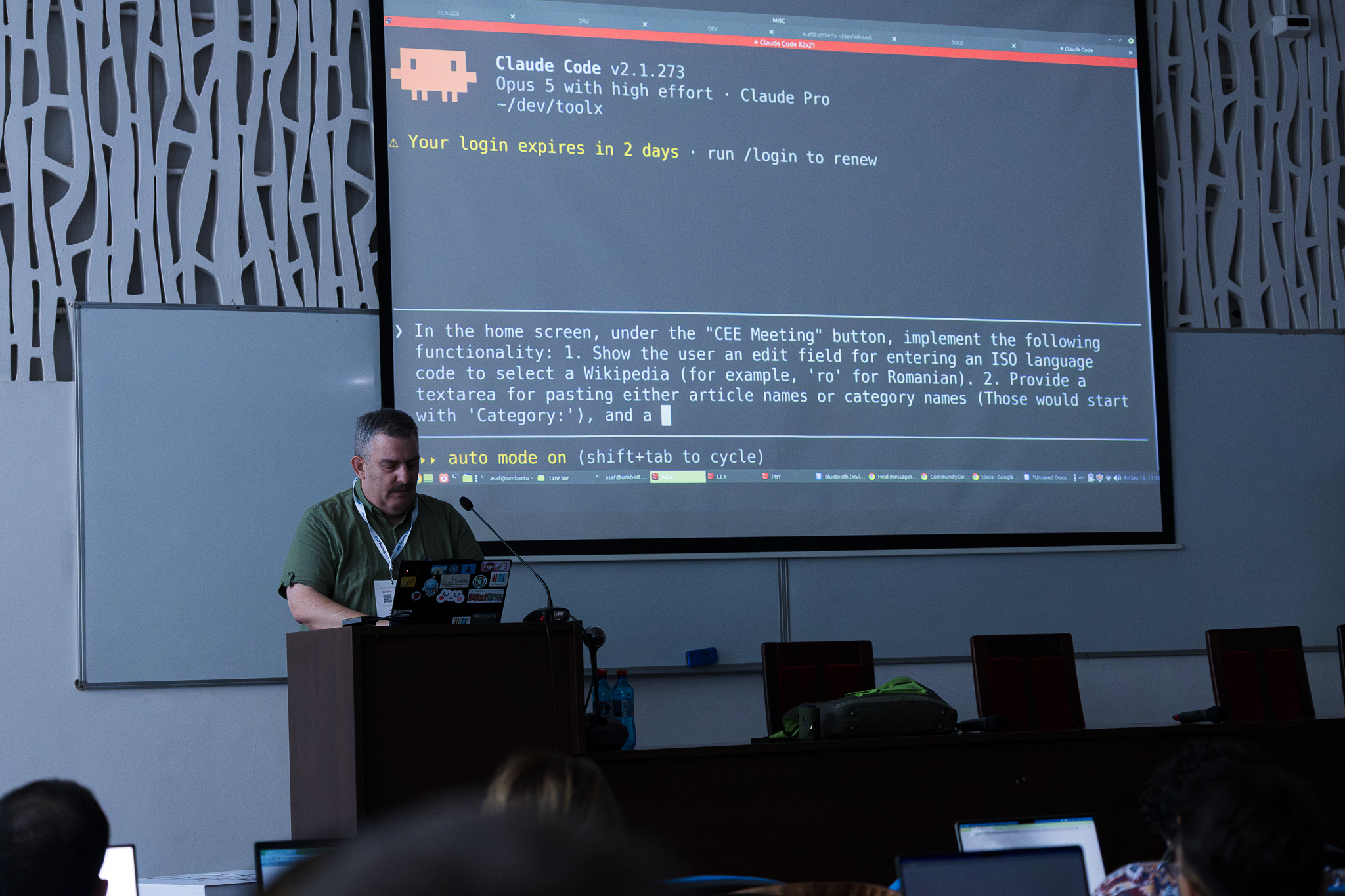
Photo: Knovisuals (ALM / alemnl in image metadata) / Wikimedia Commons, CC BY-SA 4.0 (https://creativecommons.org/licenses/by-sa/4.0/), 18 September 2026; resized/cropped; adapted image licensed CC BY-SA 4.0. · Illustrative image.
Anthropic has moved its coding tools closer to the point where software changes enter production. On 23 November, the company introduced Claude Ship, a beta offering that combines its existing Code Review service with two new agents intended to help teams process pull requests. A pull request is a proposed change to a shared codebase, normally assessed against technical checks and team rules before merging.
The economic question for Anthropic is whether software teams will pay for recurring review work as well as code generation. The question for customers is more demanding: does that extra spending reduce the total cost of delivering a correct, approved change?
What the product adds
Anthropic describes three functions. Code Review, already generally available, assesses proposed changes. PR Steward, in beta, responds to review feedback and problems encountered during the review process. Claude Approvals, also in beta, applies a team’s policy to decide whether a change qualifies for its approval.
The product page describes an observe mode for approval policies, where the agent produces a decision without actually approving the change. Teams can retain their existing GitHub branch-protection rules and required checks. This distinction matters: an agent can recommend or register an approval without being allowed to override the repository’s independent constraints.
The launch covers eligible Claude Team and Enterprise customers using GitHub repositories. The company says the product is not currently available to organisations with zero-data-retention arrangements, a HIPAA configuration or customer-managed encryption keys. These restrictions matter for buyers whose security requirements are established before a software vendor is selected.
Why reviewing code is a different revenue opportunity
Coding agents can create more changes than a team previously had the capacity to review. If review remains a manual bottleneck, the ability to generate code more quickly need not translate into quicker delivery.
An agent working on a pull request may also produce several separate periods of model consumption: the initial assessment, work to resolve issues, follow-up analysis after changes and a policy decision. Anthropic says Claude Ship is billed by token usage, with spending controls available for its review and stewardship services. There is no single universal per-pull-request charge disclosed in the launch material.
This potentially creates recurring model demand for Anthropic. But a customer will only sustain that demand if its engineering process benefits enough. More token consumption without better outcomes may instead become an expense that is targeted for reduction.
A transparent cost-per-change example
Suppose a software team processes 300 eligible pull requests in a month. Assume automation saves an average of 12 minutes of paid engineering time per request, with fully loaded engineering labour valued at €75 per hour.
These assumptions describe a hypothetical customer, not Anthropic’s pricing or actual product performance.
| Illustrative monthly item | Value |
|---|---|
| Engineering time potentially released: 300 × 12 minutes | 60 hours |
| Illustrative value of that time | €4,500 |
| Assumed average model expense: 300 × €6 | €1,800 |
| Additional oversight and administration | €1,200 |
| Conditional net time-value difference | €1,500 |
Under those assumptions, the maximum average model cost before the difference becomes negative is (€4,500 − €1,200) ÷ 300, or €11 per eligible request.
The result does not mean the employer has saved €1,500 in cash. Salaried engineers generally remain employed, and time saved may be redirected to other work rather than removed from payroll. It also does not account for an escaped defect, an unnecessary rewrite, or time spent investigating an inaccurate approval. Those risks must be evaluated separately.
Anthropic has offered at least $10,000 of Claude Ship credits to eligible Enterprise organisations under the stated promotional terms. A temporary credit can lower the initial financial cost of a trial, but it should not be counted as a permanent reduction in the cost of every future request.
Does more merged code mean better engineering?
The launch includes Anthropic’s own internal observation that merged pull requests increased more than twofold between June and September while the proportion reverted fell by more than 40%. The company describes AI review as one part of a broader process. This is not a controlled experiment establishing the effect of Claude Ship in an unrelated organisation, nor is a lower reversion rate a complete measure of code quality.
Customers should measure elapsed time from opening a change to merging it, human review time, defect escape rates, rework and actual token spending. An improvement on a high-volume repository might not generalise to regulated software or changes involving access controls, payments or critical data.
A good approval policy specifies which changes require a person and which independent tests must pass. It should not allow an AI-written approval to become the only safeguard against AI-written errors. A review process should also preserve an auditable account of decisions and a practical route for reversing an unsuccessful deployment.
What ANT investors should watch
Anthropic has been publicly traded as ANT since 19 November, according to Nasdaq. Claude Ship is a new product development, not a new earnings disclosure. Its launch does not establish paid adoption, incremental revenue, margins or a forecast for ANT.
The evidence worth watching is repeated enterprise usage after introductory credits expire, a measurable reduction in delivery cost, customer retention and the ability to manage high-risk changes without compromising quality.
See Compound’s ANT stock research profile and the earlier analysis of agent recovery costs. Claude Ship’s distinctive business proposition is to reduce the friction after a developer has created a change, rather than simply to generate more code.
Compound Research; research checked 24 November 2026. Hypothetical costs are not Anthropic’s disclosed fees or investment advice.
Source record
- https://claude.com/resources/articles/introducing-claude-ship
- https://claude.com/product/claude-ship
- https://www.nasdaq.com/newsroom/anthropic-marks-ipo-at-nasdaq
- https://www.reuters.com/business/anthropic-launches-claude-ship-help-developers-ship-code-faster-2026-11-23/