Ireland’s Poultry Housing Order Is Now in Force: What Backyard Hen Owners Must Do
Ireland's compulsory poultry housing order takes effect on 23 November and applies beyond commercial farms. Here is the practical checklist for backyard birds.
 News / Wealth
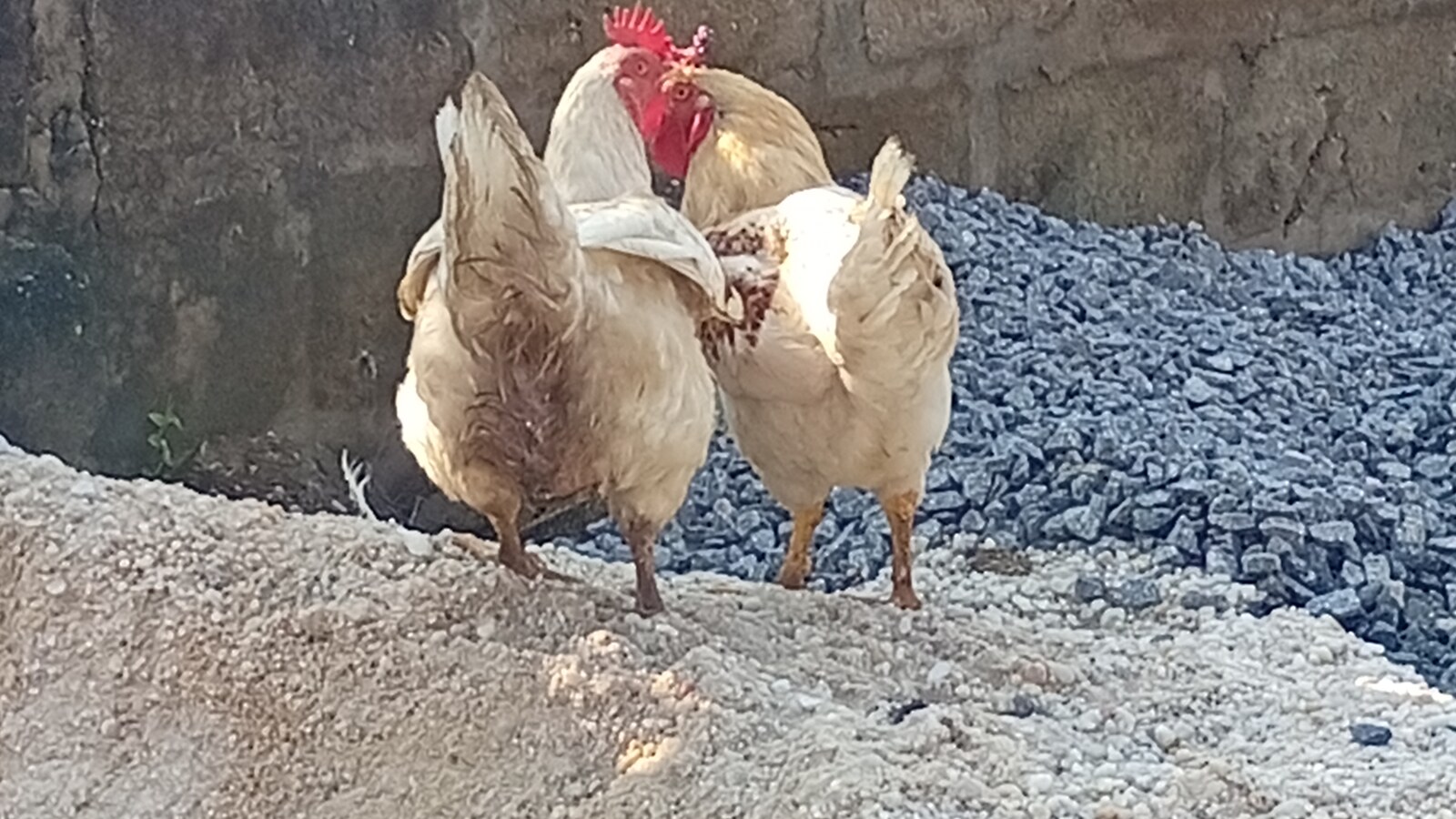
Photo: Paul The Writer / Wikimedia Commons, CC0 1.0. Photograph taken 24 June 2026; cropped for presentation. Illustrative backyard poultry, not an affected Irish flock. · Illustrative image.
Ireland’s compulsory housing order for poultry and captive birds takes effect on 23 November 2026. It is not limited to commercial farms: the Department of Agriculture’s current guidance specifically includes people with one or two backyard hens. Birds must be housed or confined so that they cannot mix with other poultry, captive birds or wild birds.
The order is a precaution against highly pathogenic avian influenza, commonly called bird flu. The Department’s 17 November update said no HPAI outbreak had been detected in poultry in the Republic of Ireland during 2026 at that point. It did, however, identify a commercial-poultry outbreak in Co Tyrone on 16 November and a positive wild bird in Co Derry on 13 November as evidence that the virus was circulating on the island.
That distinction matters: the new rule is a risk-control measure, not evidence that every Irish flock is infected.
Who is affected
The official material applies to poultry and other captive birds irrespective of flock size. For registration purposes, poultry includes birds kept for eggs, meat, breeding or game restocking, including:
- chickens and hens;
- ducks and geese;
- turkeys and quail;
- pheasants, partridge and grouse; and
- guinea fowl, ostriches and emus.
Anyone keeping poultry in Ireland must register the premises with the Department, even where there are only one or two birds. Registration can be completed online, by post using the PR1 form or through a Regional Veterinary Office. People keeping other captive birds are encouraged to register too.
The immediate checklist
| Area | Practical action from the official guidance |
|---|---|
| Birds | House or confine them so they cannot contact wild birds or birds from another holding |
| Feed and water | Keep feeding and watering points indoors or under cover; clean spilled feed |
| Standing water | Prevent access to open, standing or waterlogged areas that attract wild birds |
| Housing | Keep structures bird- and rodent-proof; keep doors closed and repair holes or leaks |
| Footwear and clothing | Use designated clothing and footwear; clean and disinfect after contamination risks |
| Equipment | Clean and disinfect equipment; do not reuse disposable egg trays |
| Visitors | Keep access to essential visitors and maintain records where required |
| Monitoring | Check birds regularly and report suspected disease without delay |
The Department’s guidance says bird-proof netting should have apertures no larger than 25mm. It also says feed and bedding must be stored where wild birds and other animals cannot contaminate them.
Housing alone is not a complete control. A shed with open feed, contaminated footwear or access to standing water can still leave a route for infection. The Department describes biosecurity as the most effective way to prevent spread from wild birds into poultry or between flocks.
What this may cost a small keeper
The official announcement does not set a standard household cost or identify a specific grant for complying with the order. The cash impact will therefore depend on what is already in place.
A keeper with a secure, roofed coop and covered run may need only cleaning supplies, registered disinfectant or repairs to netting. Someone relying on unrestricted free range may need a larger temporary covered area. It would be misleading to attach a single euro estimate without the size, structure and welfare needs of the flock.
The financially sensible order of work is:
- use an existing secure building or covered enclosure where suitable;
- close contact routes for wild birds before spending on cosmetic changes;
- protect feed and water from contamination;
- buy only disinfectants and materials suitable for their stated purpose; and
- keep receipts and a short record of the changes made.
Bird welfare remains important. Confinement must still provide appropriate space, ventilation, food, water and care; disease control is not a reason to overcrowd birds.
If a bird becomes ill
Keepers should contact their veterinary practitioner and report a suspected outbreak promptly to their Regional Veterinary Office. The National Disease Emergency Hotline is 01 492 8026 outside normal office hours.
Members of the public should not touch sick or dead wild birds. The Department says sightings can be reported through its AvianCheck system. Its update records HSE-HPSC advice that the public-health risk from the circulating H5N1 strain is low for the general public and low to medium for occupationally exposed people.
The housing order became the material new development on 23 November. The earlier biosecurity rules took effect on 18 November, while registration was already a legal requirement. Backyard keepers therefore need to do three separate things: confine the birds, follow the hygiene controls and make sure the premises is registered.