Beta blockers in Ireland | Adrenaline signals, heart rate and differences between products
Adrenaline signals, heart rate and differences between products.
 Health / The Compound journal
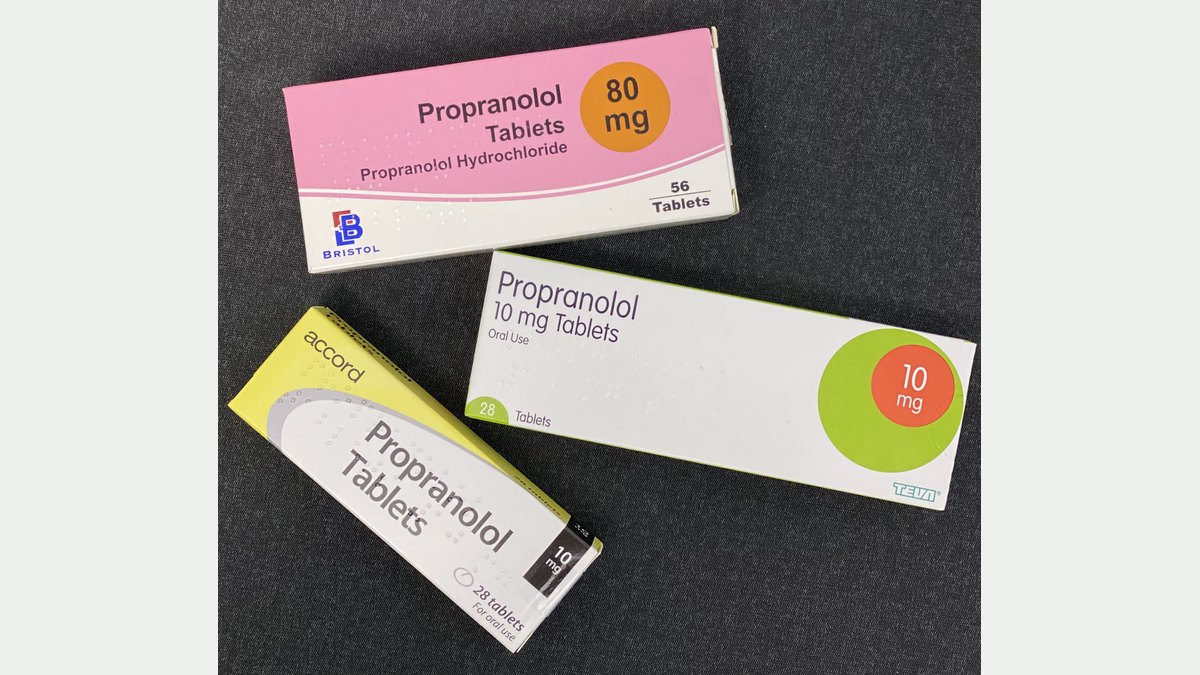
Photo: Whispyhistory · 2021 · CC BY-SA 4.0 · framed · Illustrative image.
At a glance
Beta blockers are used for several conditions, including some heart rhythm problems, angina and heart failure. Different products have different evidence and selectivity, so the individual prescription matters. HSE guide
The Science Behind the Drug
Adrenaline signals, heart rate and differences between products
Adrenaline and noradrenaline bind beta receptors. Blocking beta-1 receptors in the heart can slow the heart rate and blunt its response to sympathetic stimulation. Blocking beta-1 receptors in the kidney can reduce renin release. Products that block beta-2 receptors can also affect airway smooth muscle, and selectivity can vary with the medicine and exposure. HSE source
What the evidence measures
A change in resting pulse is a measurable effect. Outcomes such as angina frequency, rhythm control or fewer hospital admissions are separate and depend on the indication and product tested.
Check the target of treatment
| What to check | Why it matters |
|---|---|
| Pulse or rhythm | ask what readings or symptoms the team wants recorded |
| Angina or heart failure | note changes in daily activity and symptoms |
Are all beta blockers interchangeable?
They differ in receptor effects, formulations, duration and evidence for specific conditions. Bring the exact name and strength to a review rather than treating the class name as the prescription.
When to ask for help or a medication review
Tell the prescriber if you have asthma or COPD, low pulse symptoms, or take other medicines that slow heart rate. Discuss stopping with the prescriber because sudden withdrawal can cause problems. HSE patient guidance
“Beta blocker” describes a target, not a single treatment
Beta receptors sit in more than one tissue. Medicines that preferentially block beta-1 receptors mainly affect the heart and renin release at usual exposures, while some block beta-2 receptors as well. Selectivity is a tendency and can change with exposure. Propranolol, for example, has different receptor selectivity and clinical uses from some of the medicines used for heart failure. This is one reason a pharmacist checks the exact product and reason for prescribing before a switch. HSE beta blocker guidance
What to note when pulse or exercise tolerance changes
A resting pulse reading describes one moment. Add the circumstances and whether you felt faint, unusually tired or unable to do an activity you could previously manage. When the medicine is for an irregular rhythm, a record of the episode and how long it lasted may help more than a pulse taken hours later. If you have asthma or COPD, record any new wheeze or increase in reliever inhaler use and ask the prescribing team about it. HSE beta blocker guidance
If a review leads to a different formulation or a plan to stop, ask the prescriber to explain what to follow on which day. A new box and an older prescription list are easy to confuse. Keep both available for the reconciliation.
Related guides
Amlodipine · Lercanidipine · Ramipril · Perindopril · How to find the Irish patient leaflet
Propranolol tablets, an example of a beta blocker. Image licence.