Liraglutide (Saxenda): what it is and how it works
Learn what liraglutide does, how the Saxenda injection affects appetite, and how it fits alongside semaglutide and tirzepatide.
 Health / The Compound journal
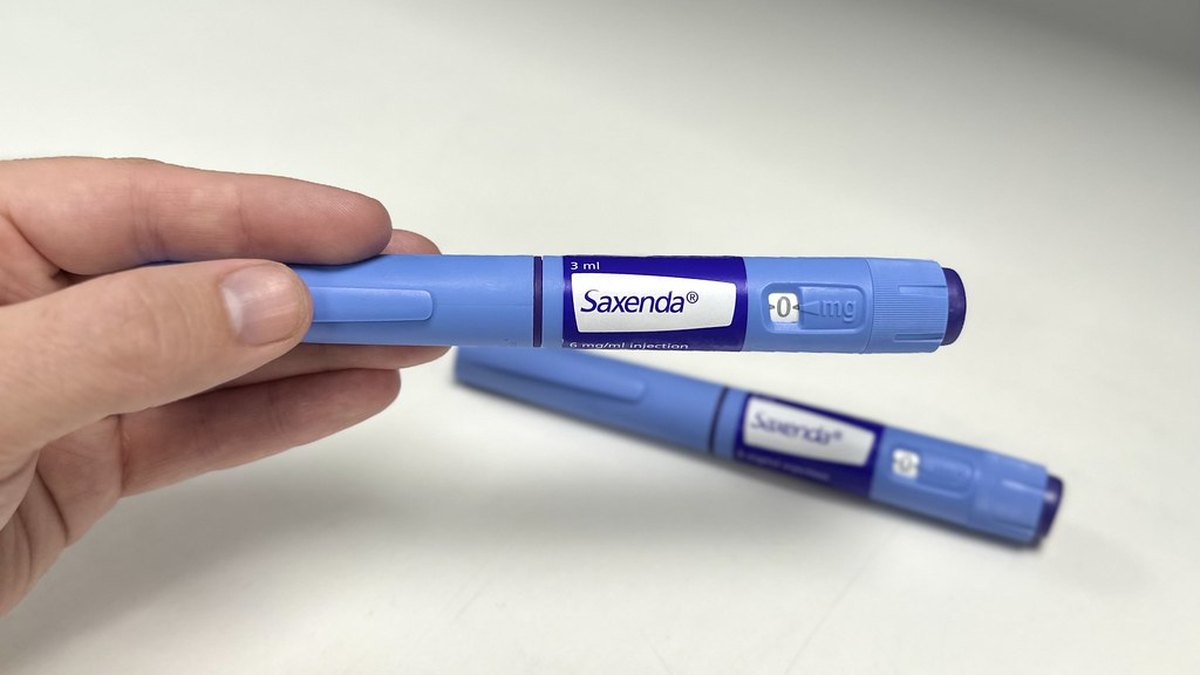
Photo: Chemist4U, 2023 · CC BY-SA 2.0 · cropped · Illustrative image.
Liraglutide is a GLP-1 receptor agonist. It is the active ingredient in Saxenda, a daily prescription injection authorised in the EU for weight management in eligible patients alongside changes in diet and physical activity. This guide focuses on adults. EMA Saxenda overview · HPRA Irish product listing
The Science Behind the Drug
Liraglutide is a modified version of glucagon-like peptide-1, or GLP-1, a hormone involved in appetite and blood glucose regulation. It binds to the GLP-1 receptor and activates it. Its structure slows its removal from the body compared with natural GLP-1, allowing it to be used as a once-daily medicine. EMA Saxenda product information, sections 5.1 and 5.2
GLP-1 receptors are found in parts of the brain involved in appetite. Clinical studies show that liraglutide can increase feelings of fullness and reduce hunger and food intake. Researchers are still working out the full set of pathways behind those effects. EMA Saxenda product information, section 5.1
How does Saxenda fit alongside the other medicines?
| Medicine | Receptor target | Administration for the product shown |
|---|---|---|
| Liraglutide (Saxenda) | GLP-1 | Daily injection |
| Semaglutide (Wegovy injection) | GLP-1 | Weekly injection |
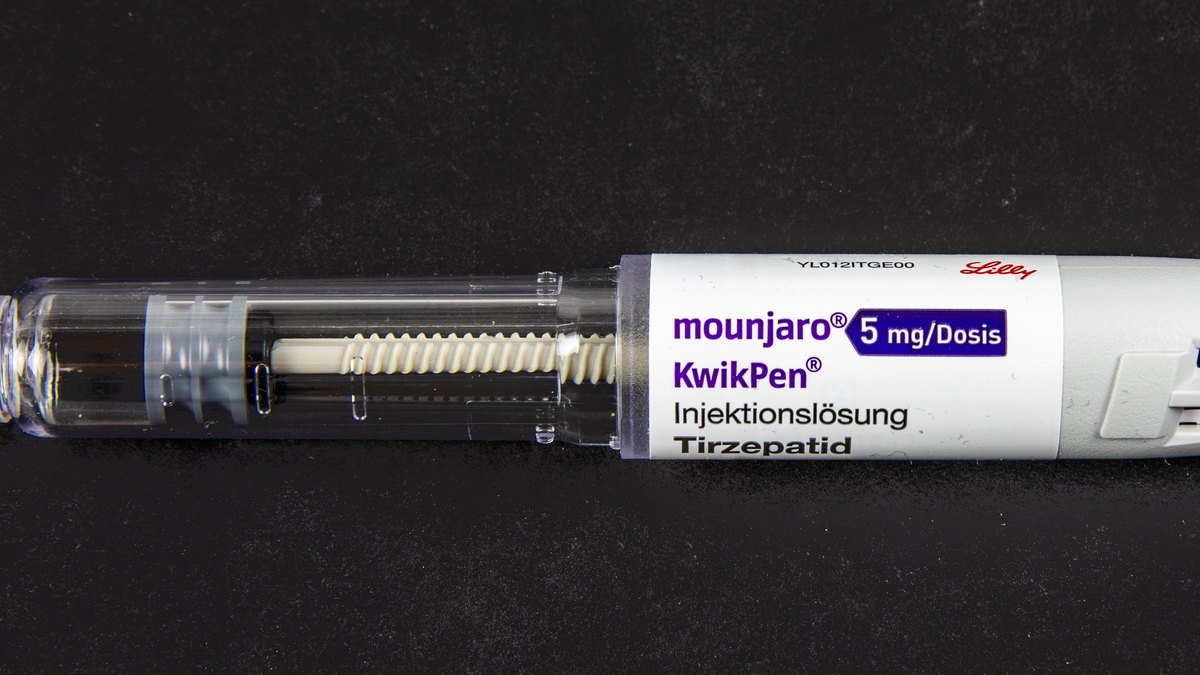
| Tirzepatide (Mounjaro) | GIP and GLP-1 | Weekly injection |
Prescribing criteria, formulations and follow-up differ by product. The Saxenda adult prescribing information includes a specific review after 12 weeks at the maintenance dose to assess whether treatment should continue. A prescriber can apply that criterion to your circumstances. EMA: Saxenda · EMA: Wegovy · EMA: Mounjaro
What should you watch for?
The Saxenda leaflet lists nausea, vomiting, diarrhoea and constipation among common experiences during treatment. Seek urgent medical advice for severe, persistent abdominal pain, particularly if it spreads to your back. This may be a sign of pancreatitis. Speak to your prescriber about other medicines, pregnancy plans or a procedure that involves general anaesthesia or deep sedation. EMA Saxenda prescribing information and patient leaflet
Why a change in appetite and a treatment review are different
Liraglutide activates the GLP-1 receptor. An early change in fullness or nausea tells you something about how you are tolerating treatment. The Saxenda adult review considers weight change after a period at the maintenance dose. The product information sets out the threshold and period, so the prescriber can apply it to the right treatment history. Keep the dates of initiation and dose changes instead of using the first day you noticed an effect as the start of the review period. EMA Saxenda product information
Check that the product name matches the reason for treatment
Liraglutide is an ingredient, and Saxenda is a particular product. Products containing liraglutide can have different authorised uses and instructions. A weekly semaglutide injection or weekly tirzepatide injection has its own formulation and review plan. Ask the prescriber to confirm the product, indication and monitoring plan before a switch. Do not match products by comparing the number printed on the pen. EMA Saxenda product information
Keep a record of persistent vomiting, trouble keeping fluids down or symptoms suggesting low blood glucose if you take other diabetes medicines. Severe, persistent abdominal pain needs urgent medical advice. EMA Saxenda product information
Read more on Compound Health
- Irish context and the evidence on GLP-1 medicines and GLP-1 side effects and when to get help
- GLP-1 medicines and pregnancy
- How semaglutide works and how tirzepatide works
Photo credit Chemist4U. Photograph and cropped versions licensed under CC BY-SA 2.0.