Visa Earnings: Strong Payment Growth, but Watch the Incentives
Visa's payment volumes and earnings grew again. Client incentives and the difference between company profit and per-share growth deserve equal attention.
 Wealth / The Compound journal
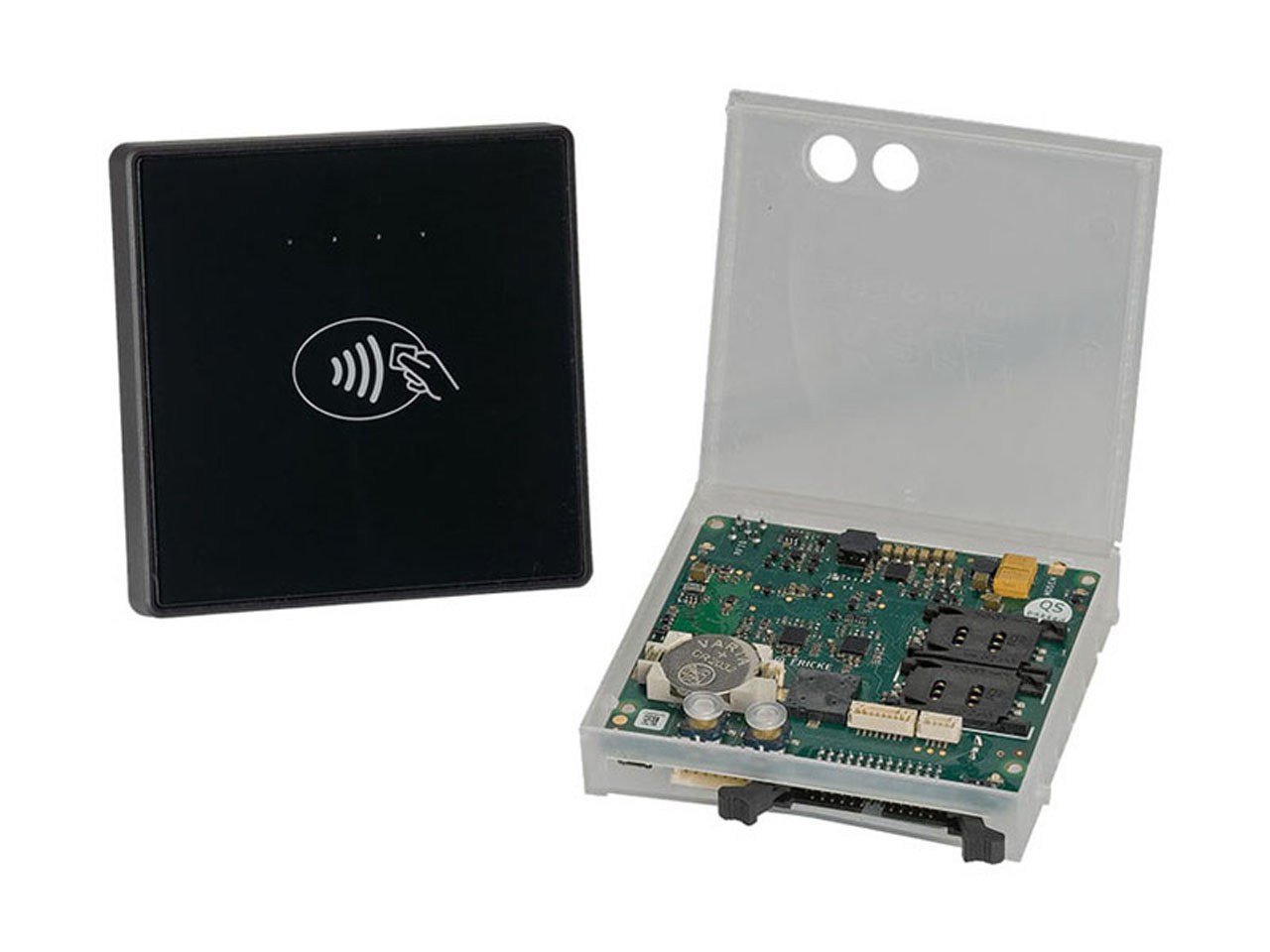
Photo: SirRuddy / Wikimedia Commons, CC BY-SA 4.0. Archival, 19 January 2023. · Illustrative image.
Visa’s results invite two separate questions: how quickly is the business growing, and how much of that growth reaches each shareholder?
Its 27 October release, covering fiscal Q4 ended 30 September 2026, reported $12.1 billion of net revenue, up 13%. Payment volume increased 9% in constant dollars and processed transactions rose 10%.
GAAP net income grew 18% to $6 billion, while diluted EPS rose 22% to $3.19. Adjusted EPS was $3.48, up 17%. These are different accounting measures and should remain clearly labelled.
Net revenue deserves the emphasis
Client incentives reached $5.1 billion, up 21%. They grew faster than net revenue. Visa also recognises service revenue using the previous quarter’s payment volume, so current-quarter volume and revenue should not be treated as perfectly synchronised.
Our interpretation is that investors should watch the economics of retaining business alongside the amount of activity processed. A network can handle more transactions while the commercial terms attached to that activity change. Volume alone cannot settle the question of pricing power.
This does not mean incentives are inherently bad. Spending to retain or win profitable business can create value. The test is whether the resulting revenue and profit justify the cost over time.
Per-share growth is not the same as business growth
Visa reported $20.5 billion of share repurchases over the full fiscal year and raised its quarterly dividend to $0.78.
Repurchases can increase each remaining share’s claim on earnings. They do not create additional customer demand. For that reason, Visa shareholders should examine total profit alongside EPS rather than treating faster per-share growth as evidence that operations accelerated by the same amount.
Price matters too. Buying back shares below a reasonable estimate of value can benefit remaining owners. Paying too much can weaken the return on otherwise successful operations. The size of a repurchase programme is therefore an allocation decision to assess, not an automatic measure of value created.
The next earnings test
Watch whether transaction growth translates into attractive net-revenue growth after incentives, and whether profit growth remains healthy before the effect of a changing share count. Compare GAAP and adjusted figures consistently across periods.
The results show continued expansion. A valuation conclusion still requires a share price, a defensible earnings outlook and an allowance for risks. For more company coverage, visit Compound’s stock directory.
Reported figures come from Visa’s SEC-furnished release; interpretation is Compound’s. General analysis, not personal investment advice.
Cover: SirRuddy, Wikimedia Commons, CC BY-SA 4.0. Photographed 19 January 2023; archival illustrative payment hardware, not a Visa product endorsement. Recompressed; display cropping may apply. The adapted photograph remains under the same licence.