GE Vernova: The $197 Billion Backlog Still Has to Become Profit
GE Vernova's orders are growing faster than sales. The investment question is how much of that demand becomes durable cash earnings.
 Wealth / The Compound journal
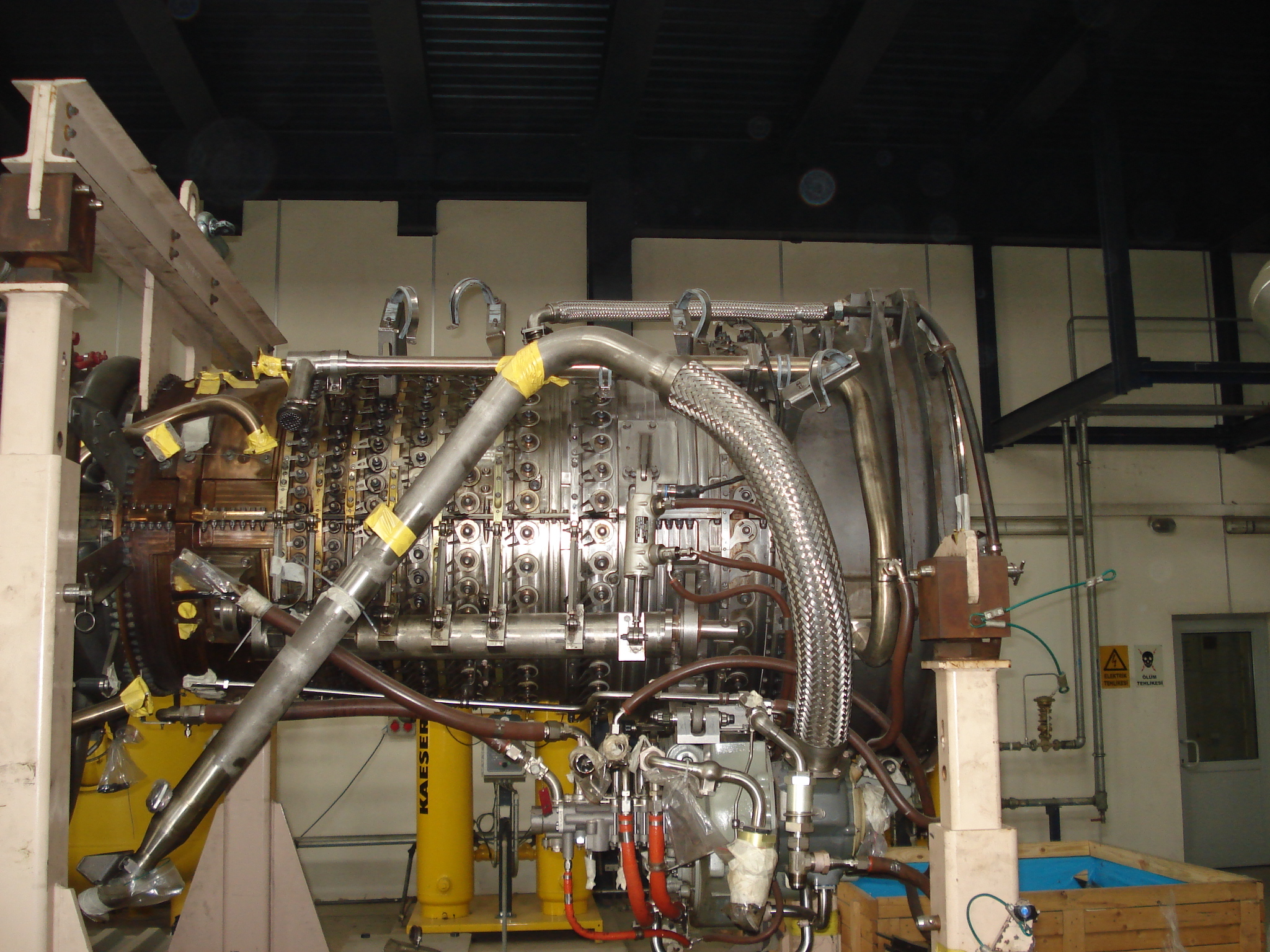
Photo: Pro-Per Energy Services / Wikimedia Commons, CC BY-SA 4.0. Archival, 4 February 2009. · Illustrative image.
GE Vernova’s latest results make a strong case for demand. Investors still need to distinguish booked business, deliveries and profit.
In its 28 October release, covering Q3 2026, the company reported revenue of $12.6 billion, up 27%, or 18% organically. Orders reached $29 billion, while backlog rose to $197 billion. That backlog is defined as remaining performance obligations.
GAAP net income was $1.3 billion. Adjusted EBITDA margin reached 15.4%, and the company reported $5.4 billion of free cash flow, a non-GAAP measure, against $6.1 billion of operating cash flow. It raised its full-year outlook.
A queue of work is not a pile of earnings
For GE Vernova shareholders, the useful test is what happens between signing an order and completing it. Manufacturing capacity, supplier reliability and contract terms all influence the return a long-lived project can produce.
A large order book can provide visibility. It can also commit a supplier to years of delivery obligations. Investors should ask whether the eventual selling price covers the eventual cost, rather than assign the same value to every dollar of backlog.
The distinction also matters when interpreting cash. Receiving money and recognising profit need not happen in the same quarter. One strong cash-flow period should therefore be tested against several periods of deliveries and working-capital movements before it becomes an annual assumption.
The Trench deal creates a second return test
Alongside earnings, GE Vernova announced an agreement to acquire Trench Group, a high-voltage grid-equipment supplier, for $9 billion equivalent. It described the price as 13 times expected 2028 adjusted EBITDA before synergies, with completion expected in late 2027, subject to approvals.
That multiple uses a forecast profit figure, not earnings already delivered. The proposed acquisition also remains a future transaction, so its purchase price and expected earnings should not be treated as if they were part of the reported quarter.
Our test would be whether the acquired business earns an adequate return without requiring unusually optimistic growth or cost savings. A strategically useful acquisition can still disappoint shareholders if too much is paid for it.
What would strengthen the investment case?
Look for the order book converting into revenue with sustained margins, cash generation across multiple quarters, and disciplined spending on capacity and acquisitions. An expanding market is valuable only to the extent that the supplier captures an attractive return from serving it.
Compare the manufacturer’s position with Amazon’s infrastructure spending and cash-flow demands. Spending creates opportunities along a supply chain, but each participant has its own costs and obligations.
Figures are company-reported; interpretation is Compound’s. This article does not establish a fair share price or provide personal investment advice.
Cover: Pro-Per Energy Services, Wikimedia Commons, CC BY-SA 4.0. Photographed 4 February 2009; archival, not a 2026 delivery. Resized and recompressed; display cropping may apply. The adapted photograph remains under the same licence.