Caterpillar Earnings: Why the Margin Matters More Than the Sales Headline
Caterpillar grew sales and kept more of each dollar. The next question is how durable those margins are through the industrial cycle.
 Wealth / The Compound journal
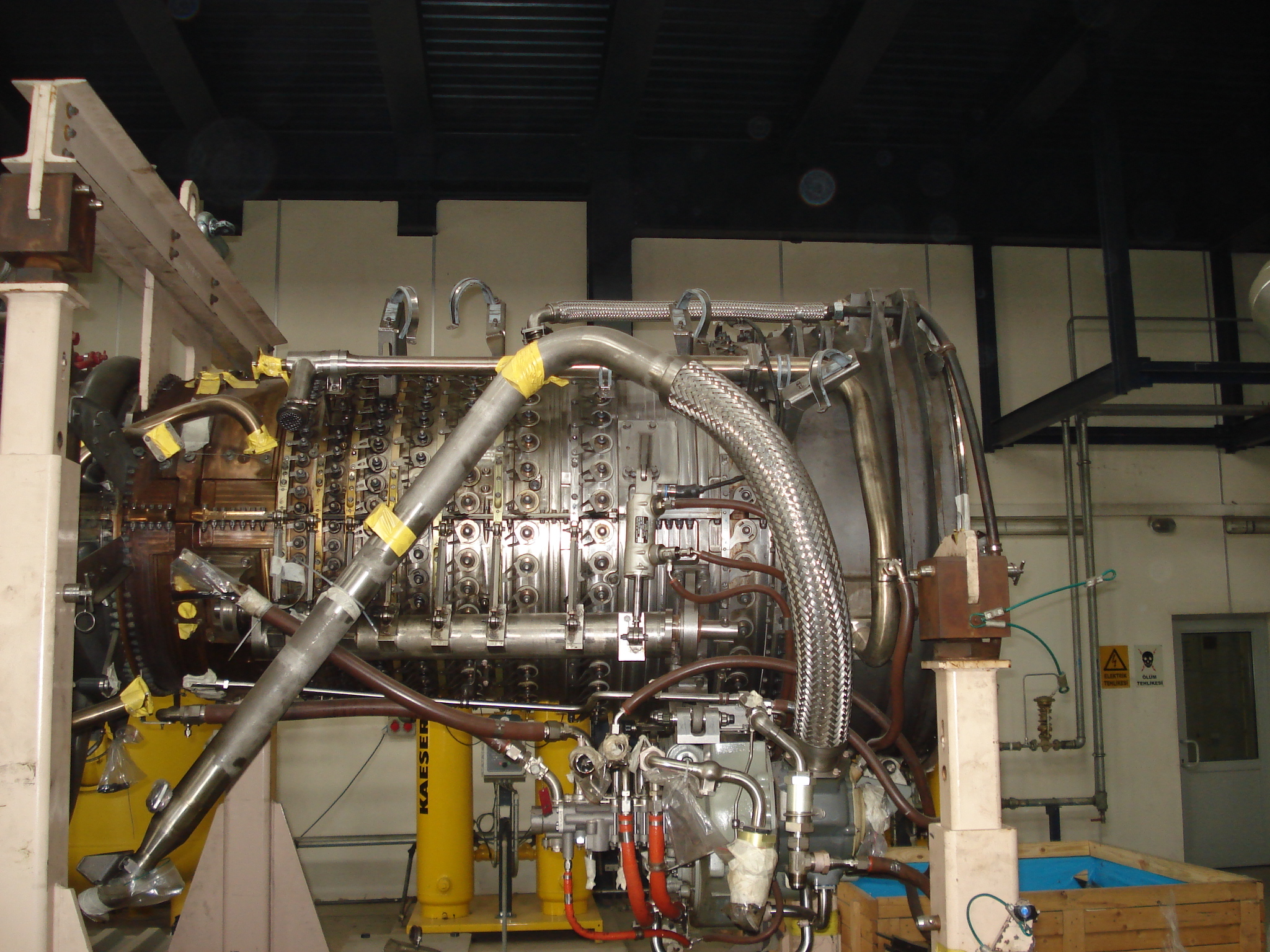
Photo: TTTNIS / Wikimedia Commons, public domain. Archival, 13 June 2010. · Illustrative image.
Caterpillar’s latest quarter shows the attraction of an industrial business that sells more while earning a better margin. It also raises the question of how much improvement investors should carry into future years.
The company’s 29 October earnings release reported Q3 2026 sales and revenues of $20.7 billion, up 17%. Operating margin reached 20.4%, compared with 17.3% a year earlier. GAAP profit per share increased from $4.88 to $7.13; adjusted profit per share was $7.20, excluding restructuring costs.
Two forces working together
The release attributes the sales increase primarily to $2.2 billion of additional volume and $663 million of favourable price realisation. These are contributions to revenue growth, not separate additions to profit.
The margin improvement was 3.1 percentage points. As a simple sensitivity, applying that difference to the reported $20.7 billion revenue base produces approximately $642 million. That illustrates the scale of the margin change; it is not Caterpillar’s official profit bridge or a forecast.
For Caterpillar investors, the analytical task is to separate the factors that can repeat from those that depend on unusually favourable conditions. A higher volume of production can spread fixed costs over more units. Better pricing can help too, but neither benefit should be assumed permanent.
The same arithmetic works in reverse
Consider a hypothetical manufacturer with revenue of $100 and operating profit of $20. If sales fall to $90 while its operating margin falls to 17%, profit becomes $15.30. A 10% sales decline has become a 23.5% profit decline.
That is an illustration, not a prediction for Caterpillar. It explains why judging an industrial stock solely by its most recent earnings multiple can be misleading. A low multiple based on unusually strong profits may offer less protection than it appears to.
What to watch next
Our preference would be to track pricing, volume and margin together. Sales growth accompanied by weakening profitability tells a different story from sales growth with stable economics. Cash generation and investment requirements provide a further check on the quality of reported earnings.
The comparison with GE Vernova’s backlog and delivery obligations is useful: demand is the beginning of the analysis. The return earned while meeting it is what ultimately matters to shareholders.
This quarter supports a stronger operating picture. It does not, by itself, tell us what price to pay for the shares. Figures come from Caterpillar; calculations and interpretation are Compound’s. General analysis, not personal investment advice.
Cover: TTTNIS, Wikimedia Commons, released into the public domain by its creator. Photographed 13 June 2010; archival. Resized and recompressed; display cropping may apply.