Protected Structures & Architectural Conservation Areas: Planning Rules in Ireland
Planning rules for protected structures and Architectural Conservation Areas in Ireland, including what protection covers, Section 57 declarations, the 12-week process, ACAs, ordinary exemptions and renovation planning.
 Wealth / The Compound journal
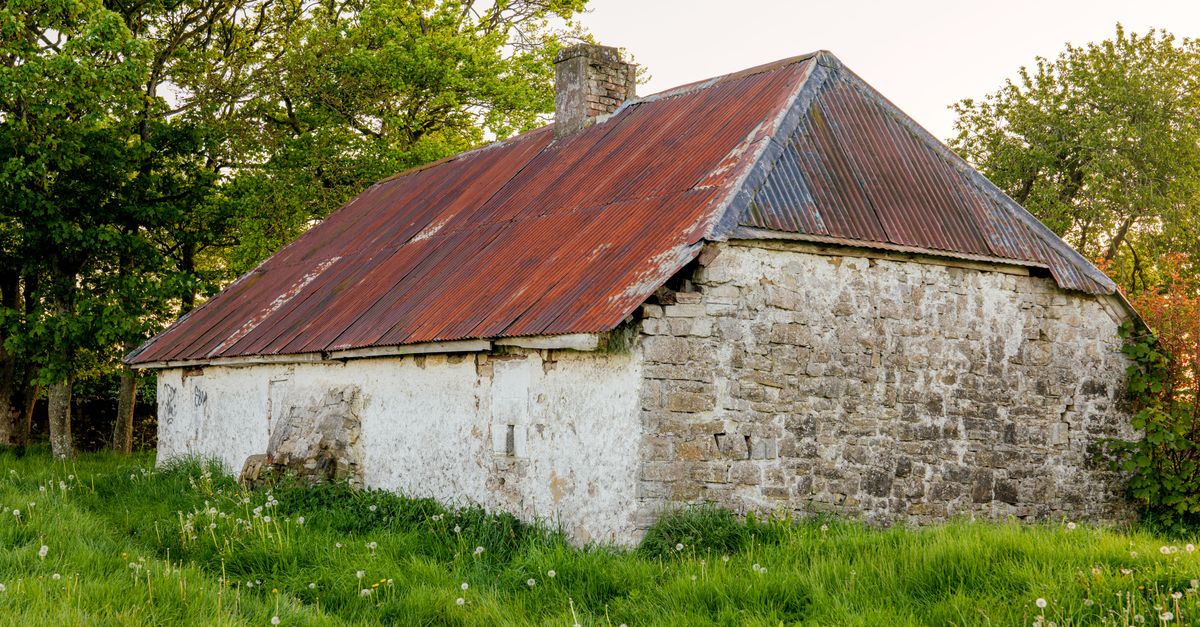
Photo: PROSPER MBEMBA KOUTIHOU on Pexels · Illustrative image.
Buying or renovating an older house becomes a different planning exercise when the building is a protected structure or sits inside an Architectural Conservation Area — ACA.
Works that would be routine on an ordinary house can need much closer assessment.
Quick answer
A protected structure is legally protected because of its special interest. Protection can extend beyond the front facade to the interior, curtilage, outbuildings, fixtures and features that form part of the protected structure.
An owner or occupier can request a Section 57 declaration from the planning authority describing works that would or would not materially affect the character. Current Citizens Information guidance states the authority issues the declaration within 12 weeks and there is no fee.
For buildings in an ACA, exterior works are not exempt where they materially affect the character of the area.
For the broader planning framework, see Planning Permission in Ireland.
What is a protected structure?
A protected structure is a structure included in the local authority’s Record of Protected Structures — RPS.
Its special interest can be:
- architectural;
- historical;
- archaeological;
- artistic;
- cultural;
- scientific;
- social;
- or technical.
Protection is not limited to castles and grand Georgian buildings.
Ordinary-looking houses, shopfronts, farm buildings, industrial structures, bridges and other buildings can be protected.
How do I know if a property is protected?
Check:
- the local authority development plan;
- Record of Protected Structures;
- planning maps;
- planning search;
- title/conveyancing material;
- and the planning authority.
If you are buying an older property, do not rely solely on an estate-agent description.
Protected status can materially affect future alterations and maintenance.
Protection covers more than the front facade
Citizens Information states that protection can cover:
- the interior;
- land in the curtilage;
- other structures on that land and their interiors;
- fixtures;
- and features forming part of the interior or exterior.
That is one of the biggest misconceptions.
A protected structure is not necessarily:
“just the front wall.”
Internal joinery, stairs, plasterwork, fireplaces, roofs, windows, outbuildings and other features can contribute to character.
What works need planning permission?
Works that would materially affect the character of the protected structure normally need planning permission unless another lawful mechanism applies.
Potentially sensitive works include:
- replacing historic windows;
- altering doors;
- reroofing with different materials;
- removing fireplaces;
- changing internal layouts;
- demolishing outbuildings;
- extensions;
- insulation works;
- installing services;
- solar panels;
- shopfront alterations;
- and changes to boundary features.
Not every repair requires a planning application.
That is why Section 57 is so useful.
What is a Section 57 declaration?
A Section 57 declaration lets an owner or occupier ask the planning authority to identify works that would or would not materially affect the character of the protected structure or protected elements.
Citizens Information states:
- there is no fee;
- the authority issues the declaration within 12 weeks of receiving the request.
This can give an owner a practical framework for routine works and future maintenance.
Section 57 is not a planning permission
A Section 57 declaration cannot exempt works that would otherwise require planning permission.
Its purpose is to clarify the character-protection boundary.
For example, the authority may identify certain routine repairs as not materially affecting the protected character while making clear that more invasive alteration requires permission.
What should you include in a Section 57 request?
The more specific the proposed works, the more useful the declaration can be.
Depending on the building, provide:
- photographs;
- drawings;
- schedule of works;
- materials;
- window details;
- roof details;
- description of existing features;
- conservation rationale;
- and any professional report.
For substantial historic-building work, a conservation architect can be valuable.
What is an Architectural Conservation Area?
An ACA is an area identified for special architectural or streetscape character.
It can include:
- historic streets;
- village centres;
- terraces;
- squares;
- groups of buildings;
- industrial areas;
- or other coherent places.
A building inside an ACA does not have to be individually protected for planning restrictions to matter.
How does an ACA affect exemptions?
Exterior works in an ACA are only exempt where they do not materially affect the character of the area.
That can make ordinary alterations more sensitive.
Examples can include:
- windows;
- doors;
- roof materials;
- rooflights;
- dormers;
- external insulation;
- facade changes;
- satellite equipment;
- solar installations;
- signage;
- and boundary treatments.
The question becomes not just:
“Is this normally exempt on a house?”
but:
“Would this materially affect the character of this ACA?”
Section 5 in an ACA
Where the exemption position is unclear, a Section 5 declaration can be used to seek a formal determination on whether proposed development is exempt.
This is different from the Section 57 protected-structure declaration.
The two procedures answer different planning questions.
Section 5 versus Section 57
Section 5
Asks whether something is development and, if so, whether it is exempted development.
Section 57
For a protected structure, identifies works that would or would not materially affect its character.
On a protected property, both concepts can sometimes be relevant.
Use professional advice if the distinction matters to the project.
Windows
Historic windows are a frequent source of difficulty.
Replacing timber sash windows with:
- uPVC;
- aluminium;
- different glazing proportions;
- different opening patterns;
can materially alter architectural character.
“Like-for-like repair” and “replacement with a modern equivalent” are not automatically the same planning proposition.
Before replacing historic windows, check protected/ACA status.
External insulation
External wall insulation changes the exterior surface of a building.
On an ordinary house it may be straightforward.
On:
- a protected structure;
- traditional facade;
- terrace;
- ACA;
it can materially alter details such as:
- reveals;
- cornices;
- stonework;
- proportions;
- eaves;
- and facade depth.
Energy upgrades need conservation-sensitive design.
Solar panels
Ireland has broad rooftop solar exemptions, but protected structures and ACAs have additional constraints.
Government guidance on the solar exemptions specifically notes that exterior works in an ACA are exempt only where they do not materially affect the area’s character, and Section 5/57 declarations can be used where uncertainty exists.
Do not assume a national solar exemption removes heritage considerations.
Extensions
An extension to a protected structure normally needs much more design attention than simply meeting the ordinary domestic 40 m² exemption checklist.
The planning authority can examine:
- impact on original fabric;
- relationship between old and new;
- scale;
- materials;
- reversibility;
- historic setting;
- curtilage;
- and views.
A modern extension can sometimes be appropriate, but conservation design is site-specific.
Interior works
The interior of a protected structure can be protected.
That means removing:
- stairs;
- cornices;
- plasterwork;
- panelling;
- historic doors;
- fireplaces;
- floors;
- or room layouts
may not be “just internal works” in the ordinary exempt-development sense.
The protected-structure regime is intentionally broader.
Maintenance obligations
Owners and occupiers have responsibilities not to allow protected structures to become endangered through neglect.
Buying a protected property therefore brings both opportunity and responsibility.
Factor conservation maintenance into the ownership cost.
Planning application requirements
If planning permission is required for a protected structure, the application generally needs additional information explaining the effect on its character.
Citizens Information notes that the newspaper and site notices must state that the structure is protected.
The authority can require:
- detailed drawings;
- photographs;
- conservation assessment;
- materials;
- method statements;
- or other specialist documentation.
Buying a protected house
Before buying, investigate:
- RPS status;
- ACA status;
- planning history;
- unauthorised alterations;
- Section 57 declarations;
- condition of historic fabric;
- likely conservation costs;
- proposed future renovations.
A cheap protected fixer-upper can become an expensive project if your planned alterations are incompatible with its character.
Grants
There are grant schemes that can support qualifying conservation works on protected and historic structures.
Availability, eligibility, funding amounts and application windows change.
Treat grant support as a separate current-year research task rather than assuming every protected property receives funding.
What if unauthorised works were already done?
Do not assume that because a previous owner carried out the work, the issue disappears.
Planning status can matter during:
- sale;
- future applications;
- enforcement;
- conservation works.
Possible routes can include:
- establishing that works did not require permission;
- Section 5/57 clarification;
- retention where legally appropriate;
- remedial conservation work.
Use specialist advice for significant historic-building irregularities.
Common mistakes
“Only the facade is protected”
Protection can extend to interiors, curtilage and associated structures.
“Internal work never needs planning”
Not a safe assumption for protected structures.
“The house next door changed its windows”
Its status, permission or works may be different.
“Solar is planning-exempt everywhere”
Heritage constraints can restrict ordinary exemptions.
“Section 57 is planning permission”
It is a declaration about works affecting protected character, not a substitute for permission where permission is otherwise required.
Frequently asked questions
How do I know if my house is a protected structure?
Check the local authority’s Record of Protected Structures and development plan.
Does protected status include the inside?
Yes. Protection can include interiors, fixtures, curtilage and associated structures.
How much is a Section 57 declaration?
Citizens Information states there is no fee.
How long does Section 57 take?
Current guidance states the planning authority issues the declaration within 12 weeks.
What is an ACA?
An Architectural Conservation Area is an area whose special architectural or streetscape character is protected through planning policy.
Can I change windows in an ACA without permission?
It depends on whether the works materially affect the character of the area. Check the local authority and use Section 5 where necessary.
The bottom line
For a protected structure or ACA property, character becomes the key planning concept.
Before altering:
- roof;
- windows;
- doors;
- facade;
- interior historic fabric;
- curtilage;
- or outbuildings,
check what is actually protected.
A Section 57 declaration obtained early can be one of the most useful documents a protected-property owner has.