ByteDance's Reported $400 Billion Buyback Is a Liquidity Deal, Not an IPO
Reports on 12–13 November describe a proposed $6bn ByteDance buyback at a $400bn valuation and a later liquidity deadline. We assess the arithmetic and the risks to private investors.
 Wealth / The Compound journal
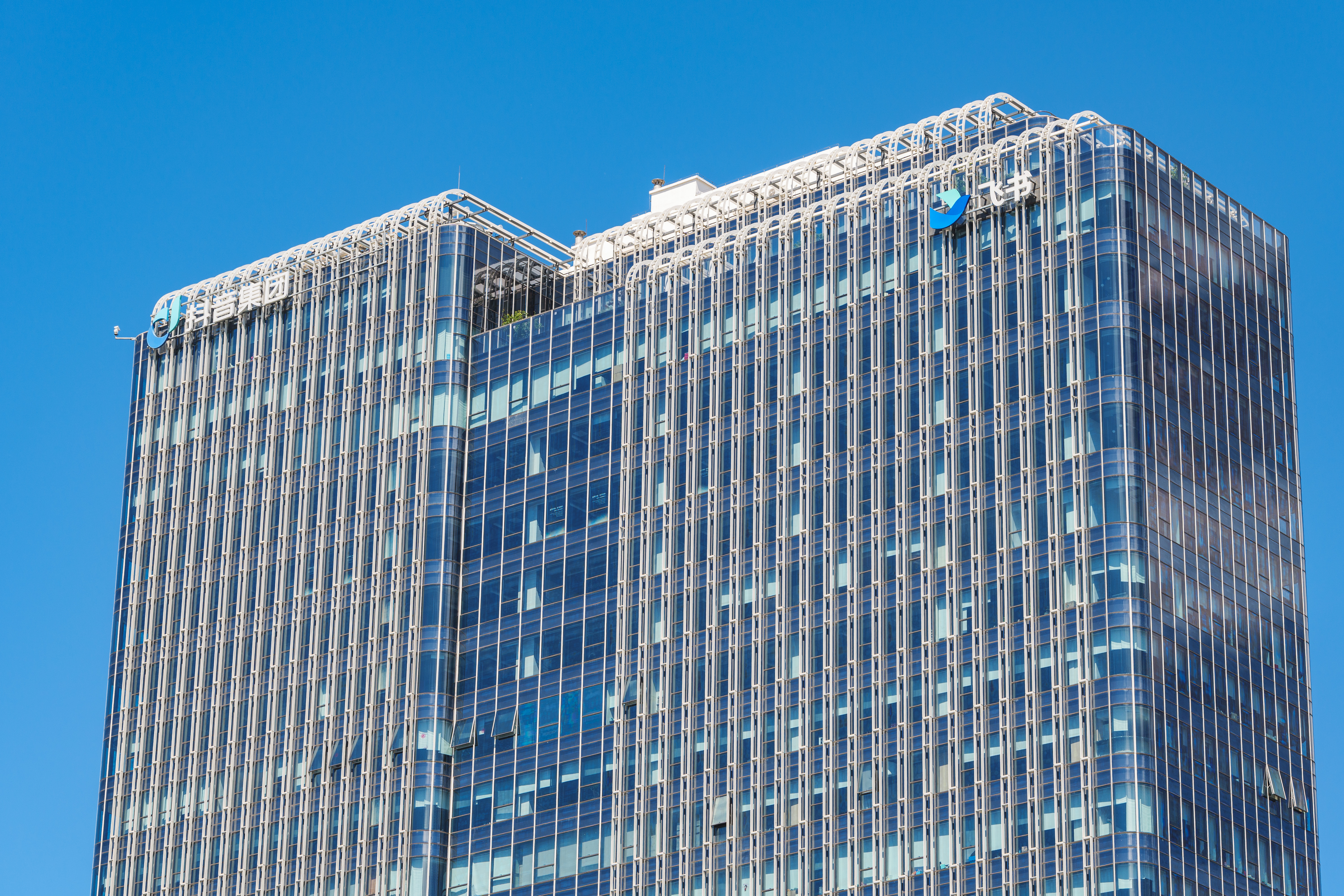
Photo: TurnOnTheNight / Wikimedia Commons; CC BY-SA 4.0 (https://creativecommons.org/licenses/by-sa/4.0/); 20 June 2026, adapted crop · Illustrative image.
A private company can publish a very large valuation without giving investors the continuous liquidity of a stock exchange. That distinction is central to reports that ByteDance, the owner of TikTok and Douyin, is proposing another substantial share repurchase.
On 12 November 2026, The Information reported, citing a shareholder letter and a person familiar with the plan, that ByteDance intended to repurchase up to $6 billion of shares from existing holders at a valuation of roughly $400 billion. Reuters reported the account on 13 November and explicitly said it could not independently verify it.
A Bloomberg report published on 13 November, citing people who reviewed the proposed arrangements, added an indicated $241.35 per-share price and a proposal to extend an exit-related deadline to 11 December 2030. These details are reported proposals, not publicly audited company filings, a completed tender or a verified IPO calendar.
What the numbers imply
At $6 billion against a headline $400 billion valuation, the maximum proposed repurchase would represent around 1.5% of the implied equity value. If an unchanged class of shares could all be tendered at $241.35, the $6 billion cap would correspond to roughly 24.9 million shares. These are straightforward arithmetic illustrations, not a verified ByteDance cap table: different equity classes, vesting terms and tender eligibility may change the actual result.
The valuation is reported to be around 20% higher than that used for a comparable buyback a year earlier. On a like-for-like basis, a $400 billion value after a 20% rise would imply approximately $333 billion previously. That comparison is conditional on the reports using a consistent definition of equity value; no audited valuation bridge is available in the reporting reviewed.
The share price is also not a public market quote. An individual cannot infer from it that ByteDance stock trades daily at $241.35 or that a retail brokerage will provide access.
Why a buyback can matter more than another valuation headline
Employees and private investors can hold valuable equity for years without an easy path to cash. A selective company repurchase creates a temporary window in which eligible holders may exchange some of that ownership for money.
For ByteDance, buying back shares can help manage the ownership register and offer liquidity without undergoing the full obligations of a stock exchange listing. However, the transaction also consumes corporate resources that could otherwise support product development, AI infrastructure, acquisitions or reserves. The disclosures available here do not establish whether the purchase would be funded from surplus cash, financing or other sources.
An investor considering a tender therefore needs more than the headline valuation. Important questions include which shareholder classes are invited, whether an individual offer is capped, how taxes and withholding work, when payment settles and what rights attach to retained shares. The company has not publicly confirmed all those details in the material reviewed.
The 2030 date is not an IPO promise
The Bloomberg account says ByteDance proposed moving the deadline for an initial public offering or a full repurchase option for outside shareholders back by four years to 11 December 2030. The precise legal meaning would depend on the actual shareholder documents and the holders covered.
That is not an announcement that ByteDance will list in December 2030. A contractual liquidity deadline could be fulfilled by alternatives to a flotation; regulatory conditions and market circumstances may also change. Neither a reported $400 billion mark nor a four-year extension makes an IPO imminent.
For a reader researching how to buy ByteDance shares, the practical answer is that the company remains privately held. A reported tender price should not be confused with a brokerage ticker, IPO allocation or public offer.
AI talent incentives are a second story
The same Bloomberg account reports a proposal involving 300 million equity-linked units or shares for employees in ByteDance’s AI business. The plan was described as an incentive mechanism whose value tracks its artificial-intelligence operations. Without the detailed award documents, the figure does not reveal the dilution, vesting schedule, exercise conditions or economic value to recipients.
ByteDance competes for engineers and researchers while supporting TikTok, Douyin and AI products. Equity incentives may help recruit and retain specialised workers, but the company must balance rewards with existing shareholders’ interests. The reported buyback and incentives therefore reflect two related pressures: providing cash opportunities to existing owners and offering upside to talent expected to build future businesses.
Neither report gives a separately audited profit forecast for ByteDance’s AI efforts. Claims that the new incentive arrangement proves a specific revenue multiple or margin would go beyond the available evidence.
What a valuation investor should stress-test
A $400 billion reference price may influence private-portfolio valuations, but it is not a guarantee that every shareholder could sell every share at that level. A limited company tender, an internal price used for employee compensation and a negotiated secondary sale can each produce different figures.
An investor also needs to weigh regulatory exposure around TikTok, competition in recommendation systems and generative AI, the funding required for compute and distribution, and any changes to future shareholder rights. A higher reported valuation can coexist with greater operating risk or slower realisation of returns.
One useful scenario is to separate headline mark, eligible liquidity and cash actually received. If an investor held 10,000 eligible shares, a price of $241.35 would create a theoretical gross mark of $2,413,500. If only 20% could be tendered, the theoretical cash opportunity would be $482,700 before tax and fees, assuming those terms applied. That 20% limit is hypothetical, not a reported ByteDance tender restriction. The remaining 80% would still depend on future liquidity and valuation.
What is still unverified
Reuters expressly did not verify The Information’s initial account. Public company confirmation, final offer terms, completion status, voting/class rights, tender allocation and audited accounts would all materially strengthen the analysis. Bloomberg’s added terms are journalist-sourced reporting, not a publicly accessible official ByteDance release in the sources checked.
This is why readers should use the story as an insight into private-market liquidity, not a public-company earnings release or an investment solicitation. There is no confirmed ByteDance IPO date or freely traded share price here.
Follow the ByteDance private-company profile for verified developments, and our separate discussion of OpenAI’s agentic checkout model for a different monetisation challenge facing large privately held technology businesses.
Research checked 16 November 2026. Reported event dated 12–13 November. Buyback, per-share price and revised deadline remain attributed press reports; all hypothetical examples are explicitly labelled. Cover: TurnOnTheNight, Wikimedia Commons, June 2026, CC BY-SA 4.0, adapted archival crop; not a photograph of the proposed repurchase.