Apple’s $89.7 billion supply commitment puts more cash behind its demand forecast
Apple’s manufacturing purchase obligations rose sharply in the September quarter. The investment question is whether secured supply becomes profitable sales before cash commitments become a constraint.
 Wealth / The Compound journal
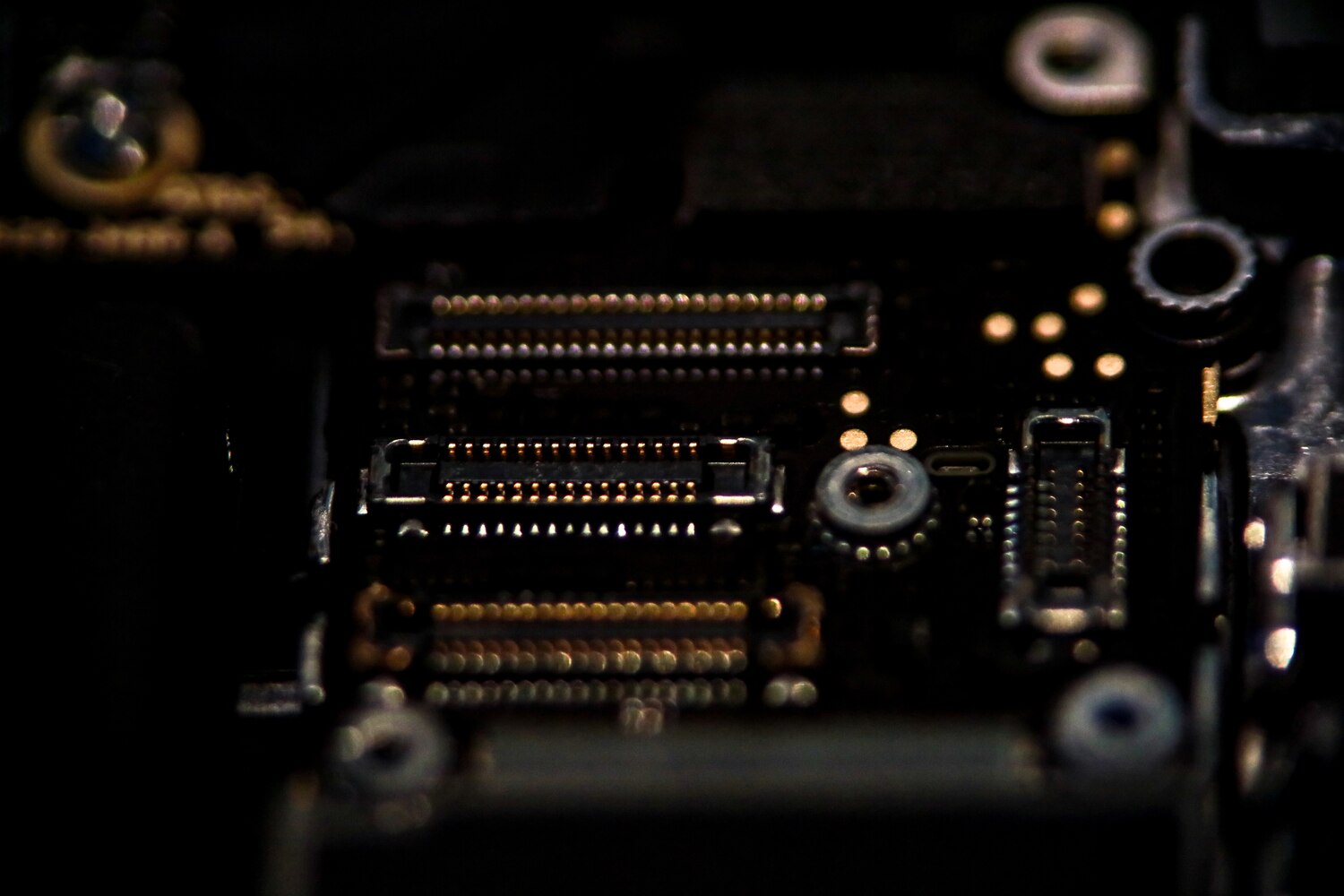
Photo: Patrick Hendry / Wikimedia Commons, CC BY-SA 4.0. Archival photograph, 5 October 2017. Resized and cropped. · Illustrative image.
Apple’s latest annual filing reveals a much larger commitment to its manufacturing supply chain. At 26 September 2026, manufacturing purchase obligations stood at $89.7 billion, including $82.7 billion payable within twelve months. For shareholders, the question is how effectively that supply will turn into products customers buy at profitable prices. Apple’s fiscal 2026 annual report
The step-up happened late in the year
| Reporting date | Manufacturing purchase obligations | Payable within twelve months |
|---|---|---|
| 27 September 2025 | $56.2bn | $55.4bn |
| 27 June 2026 | $57.0bn | $56.2bn |
| 26 September 2026 | $89.7bn | $82.7bn |
The June filing is particularly revealing. Obligations had barely changed from the previous year-end before jumping $32.7 billion, or approximately 57%, over the following quarter. Most of the increase in the outstanding balance therefore arrived during Apple’s fiscal fourth quarter. The increase in amounts payable within twelve months was $26.5 billion. Apple’s June 2026 quarterly filing
The year-on-year comparison provides a check against simply treating every pre-holiday increase as exceptional. Relative to September 2025, total manufacturing obligations rose $33.5 billion, approximately 60%. The comparison uses the same fiscal-year-end position, although changes in products, contract terms and purchasing schedules can still affect it. Apple’s fiscal 2025 annual report
What a purchase commitment tells an investor
A commitment is a claim on future cash. Inventory records goods already held, while recognised cost of sales follows the accounting for products sold. Those measures sit at different stages of the operating cycle.
The disclosure covers Apple’s manufacturing supply chain broadly. It does not provide a device-by-device or component-by-component allocation. Assigning the entire increase to memory, a particular iPhone or a single supplier would exceed the evidence in this table. Likewise, the change between two reporting dates is a net movement in outstanding obligations. It cannot establish the gross value of new contracts signed during the quarter.
Securing supply earlier can be valuable. A missed sale caused by a missing component can waste demand that advertising and product development have already created. A longer commitment may also give a supplier confidence to allocate capacity. The potential cost is reduced flexibility if demand, component prices or product specifications change before that supply is consumed.
Follow the cash through to the customer
For the September quarter, Apple reported $114.5 billion of revenue and approximately $28 billion of operating cash flow. Those are results for a completed quarter. The purchasing figures describe obligations outstanding at its end, with payments spread across future periods. Subtracting the full commitment from that quarter’s cash flow would mix incompatible time frames. Apple’s results release
The investment test is conversion. In subsequent filings, examine inventory, supplier payments, product gross margins and operating cash flow together. Strong sales with controlled inventory would support the view that larger commitments secured useful capacity. Rising inventory alongside weaker margins would make the same commitments more concerning.
A falling obligation balance alone would also be ambiguous. It could reflect suppliers delivering goods, payments falling due, changed purchasing plans or contractual adjustments. The movement needs to be read alongside the financial statements.
Apple has committed more money ahead of the customer transaction. That raises the importance of forecasting demand accurately. The shareholder payoff comes when the secured supply produces enough profitable sales to justify the cash and flexibility committed to obtaining it.
Follow the Apple stock profile and read our analysis of Apple’s US supplier partnerships for the separate question of manufacturing geography.
Archival iPhone 6 photograph by Patrick Hendry, 5 October 2017. The photograph and its resized crops are licensed under CC BY-SA 4.0.