Who carries the risk on Waymo’s $5 billion loan?
Waymo can borrow against its own assets without an Alphabet guarantee. The terms reveal the price of that independence, while the segment accounts leave its ability to pay from ride revenue unresolved.
 Wealth / The Compound journal
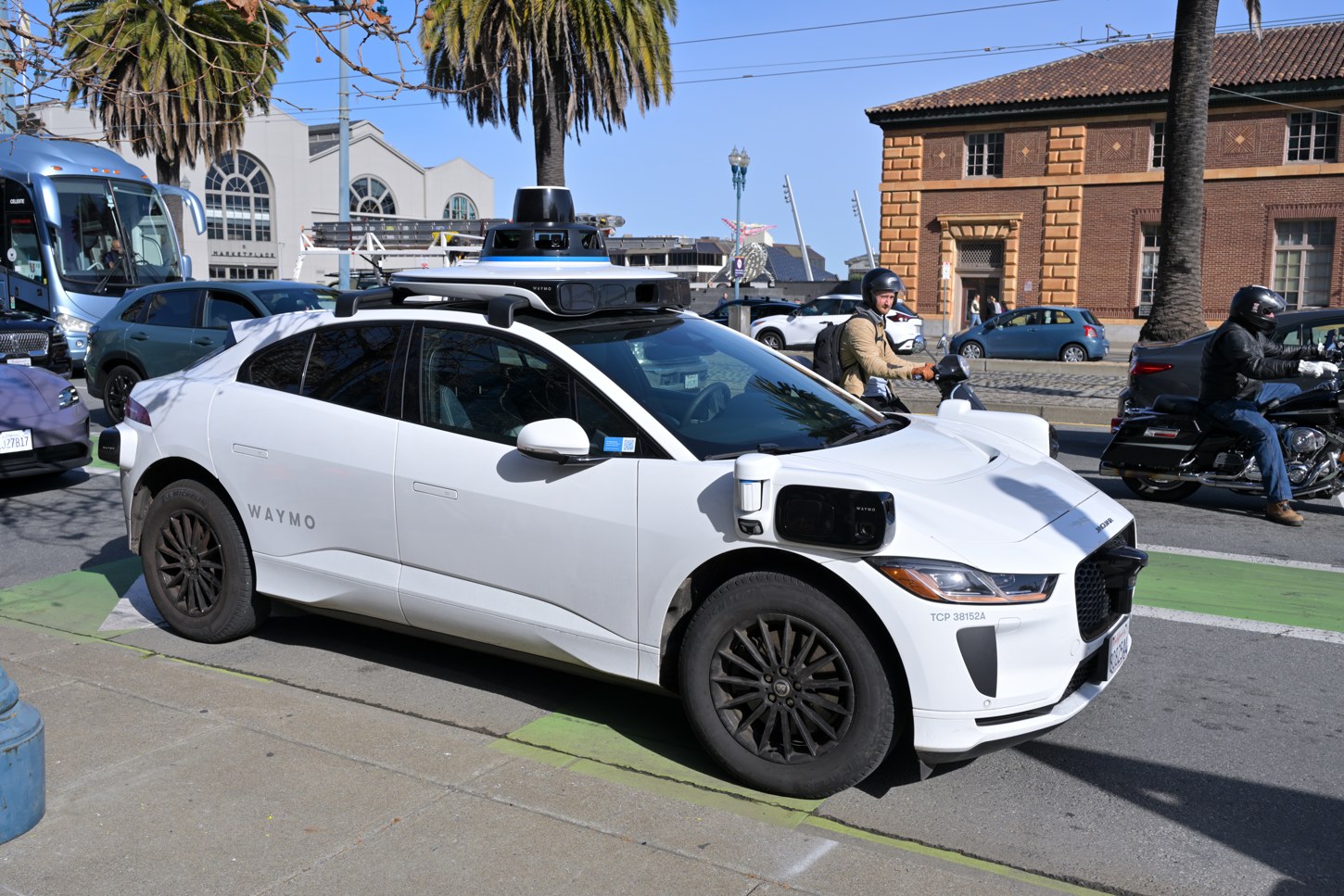
Photo: 4300streetcar via Wikimedia Commons, CC BY 4.0. Archival photograph, 29 January 2026. Resized and cropped. · Illustrative image.
Waymo borrowed $5 billion on 8 October without a guarantee from Alphabet. For an Alphabet shareholder, there are two different exposures here. The lenders can look to specified Waymo collateral for repayment. Shareholders still own an interest in a business whose future cash must cover debt service before it can be distributed to equity holders. Alphabet’s September 2026 Form 10-Q, Note 6
What the lenders secured
Waymo described the term loan as its first debt financing. It followed a $16 billion equity round earlier in 2026. The difference matters for the parent: borrowing can fund expansion without selling another slice of the business today, but it creates an interest bill and a principal repayment obligation. Waymo’s financing announcement
Alphabet’s filing places the maturity in October 2032. Certain Waymo assets and subsidiaries secure the senior loan, subject to carve-outs. Neither Alphabet nor its other subsidiaries guarantees it. That limits lenders’ contractual recourse to the parent. It leaves Alphabet free to decide later whether protecting its investment warrants contributing more capital. A voluntary decision to invest would be different from a contractual duty to repay lenders.
Put a dollar figure on the floating rate
The loan pays Term SOFR, a dollar interest-rate benchmark, plus 5.25 percentage points. On a constant $5 billion balance, that spread alone represents $262.5 million a year. Each one-percentage-point change in the benchmark changes annual interest by $50 million on the same balance.
| Illustrative Term SOFR | Combined annual rate | Simple annual interest on $5bn |
|---|---|---|
| 2% | 7.25% | $362.5m |
| 3% | 8.25% | $412.5m |
| 4% | 9.25% | $462.5m |
These scenarios hold the principal and benchmark constant for a year and exclude fees. They show the sensitivity to rates. Actual interest will depend on the benchmark and outstanding balance over time. The loan closed after the 30 September quarter-end, so the figures above represent neither a September-quarter expense nor company guidance.
Why the segment accounts cannot tell us whether rides cover interest
Alphabet reported $372 million of quarterly Other Bets revenue and a $2.047 billion operating loss for the three months ended 30 September 2026. A year earlier the figures were $344 million and a $1.426 billion loss. The loss widened by $621 million even as revenue increased by $28 million. The earnings release groups autonomous transportation with internet services and other businesses. Alphabet’s Q3 segment results
It is tempting to compare one of the annual interest scenarios with four times the quarterly segment revenue. The resulting ratio would be misleading twice over: it would attribute other businesses’ sales to Waymo and count fare revenue before the cost of operating the fleet. The operating loss also cannot tell us how much cash Waymo has available. The reporting boundary matters more than precision in the interest calculation.
What would change the investment case?
A vehicle can earn more fares if it spends more of the day carrying paying riders. That improves debt coverage only to the extent that the additional fares exceed the cost of serving those rides and supporting the fleet. A growing ride count could coexist with rising funding needs if opening new markets consumes cash faster than established cities generate it.
For shareholders, standalone operating cash flow, fleet investment and the outstanding loan balance would be more informative together than another city-launch count. Until Alphabet or Waymo provides that detail, the financing establishes something narrower but valuable: outside creditors were willing to lend against Waymo’s business, at a measurable price, without requiring Alphabet to guarantee their return.
See the Alphabet stock profile and Compound’s analysis of Alphabet’s cash flow and Cloud investment for the parent’s broader capital demands.
Archival photograph by 4300streetcar, 29 January 2026, via Wikimedia Commons. The image was resized and cropped under CC BY 4.0.