Government considers extending petrol and diesel excise cuts into spring
The Government is considering keeping Ireland's temporary petrol and diesel excise reductions in place until late February or early March. Here is what that could mean for motorists comparing fuel costs with an EV.
 News / Wealth
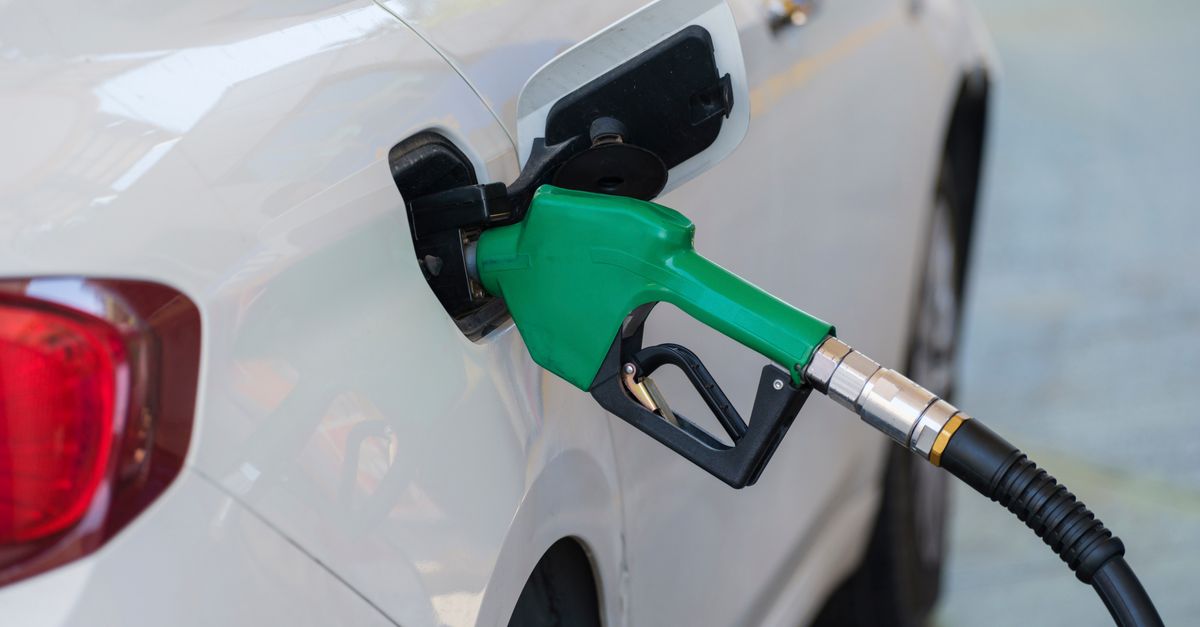
Photo: Engin Akyurt on Pexels · Illustrative image.
News analysis · 24 September 2026. The extension is under consideration and has not yet been finalised.
The Government is considering keeping Ireland’s temporary petrol and diesel excise-duty reductions in place until late February or early March 2027, potentially delaying fuel-price increases that were due to begin from November.
RTÉ reports that Tánaiste and Minister for Finance Simon Harris and Minister for Public Expenditure Jack Chambers have indicated that the reductions could remain in place into spring.
For motorists, the immediate question is simple: how much does that change the cost of running a petrol or diesel car — and how does it compare with an EV? For the evergreen ownership comparison beyond this temporary excise story, see EV vs Petrol vs Diesel in Ireland.
For a petrol or diesel car, Compound’s Fuel Cost Calculator turns mileage, fuel economy and pump price into an annual estimate. The wider tax and energy measures under discussion are tracked in our Budget 2027 guide.
How much are the current fuel-tax reductions worth?
The current measures are equivalent to about:
- 27 cent per litre on petrol
- 32 cent per litre on diesel
relative to the full-duty rates, according to RTÉ.
On a 50-litre fill, that is roughly €13.50 for petrol or €16 for diesel compared with prices if the reductions were fully removed.
The existing plan had already deferred the restoration of excise increases, with the remaining reductions due to be phased out from November through the end of February. The Government is now considering pushing that process out further.
What does this mean for EV running costs?
Lower petrol and diesel prices narrow the energy-cost gap between combustion cars and EVs, but they do not tell you which vehicle is cheaper to run overall.
For an EV, the result depends heavily on:
- annual kilometres driven;
- the car’s real-world kWh/100 km;
- charging losses;
- your home electricity tariff; and
- how much charging happens at home versus public chargers.
A driver charging mainly at home on a competitive night rate can have a very different annual electricity cost from someone relying heavily on rapid public charging.
Our Electricity Tariffs in Ireland guide explains the difference between 24-hour, day/night, smart, EV and dynamic tariffs, so the charging rate used in an EV comparison reflects the household’s actual plan rather than a headline night price.
The same applies to petrol and diesel: annual fuel cost depends on your vehicle’s actual litres per 100 km and the pump price you pay.
Compare your own numbers
Compound’s EV Charging Cost Calculator Ireland lets you enter your own annual distance, EV efficiency, charging losses, electricity price and home/public charging mix.
It also lets you enter the fuel consumption and petrol or diesel price of a comparison car, so you can see the estimated annual EV charging cost versus annual fuel cost using your own assumptions.
Compare EV charging with petrol or diesel costs →
The excise extension is still being considered, so the eventual timing and structure of any further deferral could change before Budget 2027 measures are finalised.
For the wider package of tax and cost-of-living measures still under discussion, follow the Budget 2027 tracker. To compare combustion running costs directly, use the Fuel Cost Calculator alongside the EV charging tool above.