Ireland Reports the Most Payment Fraud Attempts in the Euro Area, and Cash Is Getting Harder to Reach
The ECB's 2026 payments survey, published on 25 November, has country data for Ireland. Cash and cards are now level at Irish tills, 45% of Irish adults reported a payment fraud attempt in the past year, and more people say cash is hard to get. Here is what the Irish numbers show and what to do about them.
 News / Wealth
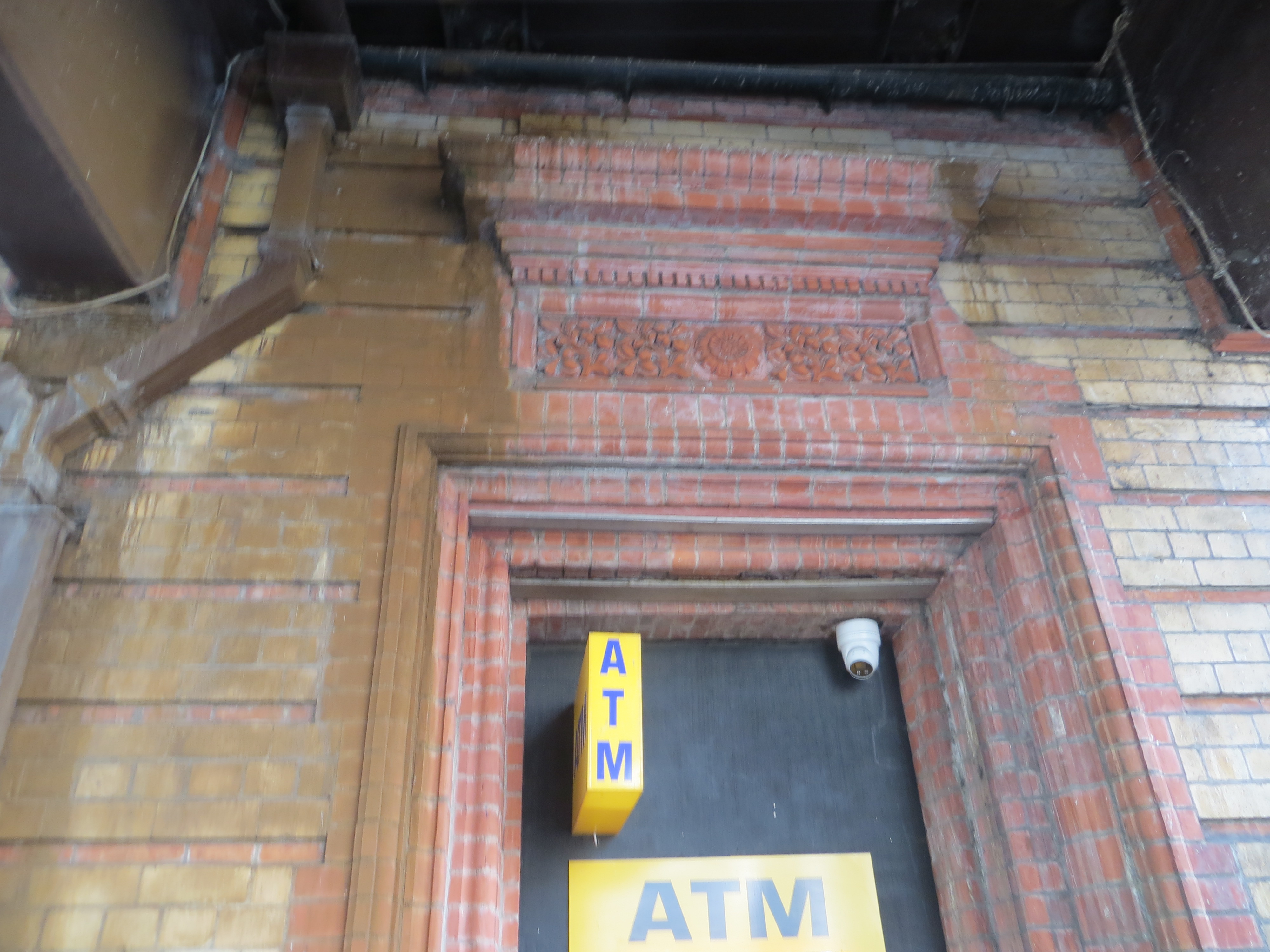
Photo: Djm-leighpark / Wikimedia Commons, CC BY-SA 4.0. Archival photograph taken on 19 July 2022. · Illustrative image.
For the first time, the European Central Bank’s big payments survey shows cards overtaking cash in euro area shops: 45% of till payments against 44% for cash. The ECB published the 2026 Study on the Payment Attitudes of Consumers in the Euro Area (SPACE) on Wednesday 25 November. Its country tables say three things about Ireland that matter for your money. Irish adults report the highest rate of payment fraud attempts in the euro area. More people here say cash is hard to get. And many pay ATM fees because they have no other option.
The survey interviewed 2,071 people in Ireland, in two rounds: autumn 2025 and spring 2026. All figures below are from the ECB report and its country data and chart data. Percentages are rounded.
Ireland at a glance
| Measure | Ireland | Euro area |
|---|---|---|
| Share of till payments made in cash (by number) | 42.5% | 44% |
| Share of till payments made by card (by number) | 42.5% | 45% |
| Share of till payments made by mobile phone (by number) | 14% | 9% |
| Prefer to pay by card or other cashless method in shops | 52% | 54% |
| Say being able to pay in cash is very or fairly important | 65% | 62% |
| Find it fairly or very difficult to get cash | 16% | 14% |
| Have a card stored in a digital wallet (card owners) | 63% | 47% |
| Experienced a payment fraud attempt in the past year | 45% | 28% |
| Lost money to payment fraud in the past year | 7.5% | 5% |
| Median cash in wallet at the start of the day | €80 | €64 |
Cash and cards are now level at Irish tills
In 2016, 79% of payments at Irish shop tills were in cash. By 2024 that had fallen to 49%. In 2026 it is 42.5%, exactly level with cards. Mobile payments make up most of the rest, at 14%, well above the euro area’s 9%. That fits with another finding: 63% of Irish card owners have stored a card in Apple Pay, Google Pay or a similar wallet. That is the highest share of any euro area country.
Cash still matters to many people here. One in four Irish adults (25%) still prefer cash in shops. Two in three (65%) say keeping the option to pay in cash is important. Irish adults also carry more cash than the euro area average, a median of €80 at the start of the day. And 39% keep extra cash at home or elsewhere as a reserve.
Getting cash is harder, and fees bite
The share of Irish adults who find it fairly or very difficult to get cash has almost doubled since 2022:
| Year | Find access to cash difficult |
|---|---|
| 2019 | 9% |
| 2022 | 9% |
| 2024 | 11% |
| 2026 | 16% |
About 80% of Irish withdrawals are at an ATM. Fees are common. Asked how often they pay a fee to use an ATM, 17.5% of Irish respondents said “always” and 11.5% said “most of the time”. Only about a third (32%) said they never pay one.
When people did face a fee, 42% of Irish respondents paid it because there was no other way to get cash. Another 22% cancelled the withdrawal, and 9% decided not to take out cash at all. The ECB names Ireland among the countries where at least 40% paid because they had no option.
What a fee costs over a year. As an example, say an ATM charges €2.50 a time, which is an illustrative figure and not a quote from any operator. Taking out cash once a week at that machine would cost €130 a year (€2.50 × 52). Twice a month would cost €65. Before you use a machine with a charge, check whether your bank’s own ATMs, a post office counter, or cashback at a shop till would let you avoid it. Cashback already accounts for 9% of Irish withdrawals, according to the survey.
Fraud: Ireland has the highest rate of attempts
This is the first SPACE survey to ask about fraud. Across the euro area, 28% of people reported a payment fraud attempt in the past year, and 5% of all consumers lost money. In Ireland, 45% reported an attempt and 7.5% said they lost money.
The ECB adds a caution. Differences between countries “may partly reflect variations in how respondents interpret and identify fraud attempts”. In other words, Irish people may be more likely to count a scam text as an attempt. Even so, 7.5% of adults losing money is a large number.
It fits with research published a day later. On 26 November, FraudSMART, the fraud-awareness initiative of the Banking & Payments Federation Ireland (BPFI), reported that almost half of Irish shoppers had come across a suspected online shopping scam in the past year, and one in eight had lost money on an online purchase. Social media was the most common place people met suspected scams (51%), ahead of text messages (39%) and email (34%).
What to do this Black Friday and Christmas
- Check the website before you pay. Paste the link into scamchecker.ie, the BPFI checker that FraudSMART recommends, before buying from an unfamiliar shop, especially one you reached through a social media ad.
- Be wary of messages that rush you. Texts and emails that claim to be from a delivery firm or your bank and ask you to click a link are a common route for fraud. Contact the company yourself using a number or app you already trust.
- Pay with a card or a digital wallet rather than a bank transfer to a seller you do not know. A card payment gives you more ways to dispute a problem with your bank.
- Report quickly. If you think you have been defrauded, contact your bank at once and report it to the Gardaí. Our Black Friday rights guide explains your refund and cancellation rights when a genuine seller lets you down.
What the survey does not tell you
SPACE measures what people say they do and experience. It is not a count of bank transactions or reported crimes. Cards include debit, credit and prepaid cards. “Mobile” means payments made with a phone or other device. The Irish sample of 2,071 is large enough for the headline figures, but small differences between countries should not be overread.
For more on protecting purchases this month, see our guides to gift voucher rights and Temu’s new EU commitments.