Metformin in Ireland: how it works, slow-release tablets and side effects
Learn how metformin lowers blood glucose, how standard and slow-release tablets differ, and what to discuss with your pharmacist or GP.
 Health / The Compound journal
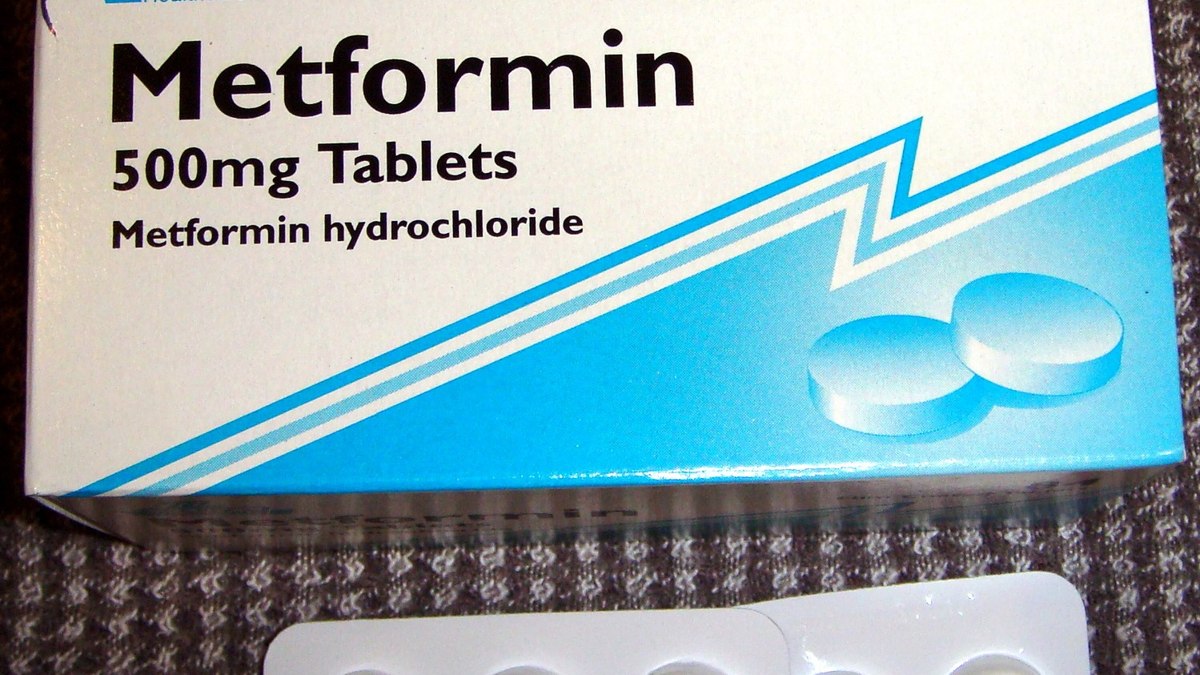
Photo: Ash, 2007 · public domain · cropped · Illustrative image.
Metformin is a prescription medicine that helps lower blood glucose in type 2 diabetes. It acts partly by reducing how much glucose the liver makes. It comes in standard and prolonged-release forms, with different instructions depending on the product and your prescription. HSE metformin guide · HPRA prescribing information
The Science Behind the Drug
Your liver releases glucose into the blood between meals. Metformin reduces hepatic glucose production, meaning the amount of glucose the liver makes. It can also improve glucose uptake in tissues beyond the liver and change how the gut handles glucose. It lowers blood glucose without directly stimulating the pancreas to release insulin. HPRA prescribing information, section 5.1
The molecular explanation is still being worked out. One line of research looks at AMPK, an enzyme that helps cells respond to changes in their energy supply. Other studies find effects that occur without AMPK, including changes in how cells produce energy and how the gut handles glucose. The clinical effect on blood glucose is established. Researchers are still working out which pathways account for it at the doses people take. Diabetologia review
Glucose production in the liver, gut effects and monitoring
Metformin reduces glucose output by the liver, and its effects also involve the gut and insulin-sensitive metabolism. Multiple cellular pathways have been proposed. Its action generally does not directly stimulate the pancreas to release insulin, which helps explain why hypoglycaemia is uncommon when metformin is used on its own. DailyMed source
How do standard and slow-release tablets differ?
| Form | What the name means |
|---|---|
| Standard or immediate release | The tablet releases the medicine sooner. Depending on the prescription, doses may be split across the day. |
| Slow release or prolonged release | The tablet is designed to release the medicine over a longer period. Some products are prescribed once daily. |
Check your box and prescription for the exact dose and timing. HSE advice is to take metformin with or after food to reduce stomach side effects. Swallow prolonged-release tablets whole and ask a pharmacist before changing how you take them. HSE directions · HPRA prolonged-release directions
What side effects should you know about?
Nausea, diarrhoea, stomach discomfort and loss of appetite can occur, especially when starting treatment. Metformin can also lower vitamin B12 levels. Ask your GP about symptoms such as marked tiredness, a sore tongue or pins and needles. HSE side effects guidance
If you are dehydrated because of severe vomiting or diarrhoea, the HSE advises you to stop taking metformin temporarily and contact your GP urgently. Get emergency help if severe tiredness comes with trouble breathing, feeling very cold or vomiting. These can be signs of lactic acidosis, a rare and serious complication. HSE urgent and emergency advice
Browse all Common Medicines guides.
What the evidence measures
HbA1c summarises longer-term exposure to glucose, while finger-prick measurements answer a more immediate question. Kidney function, gastrointestinal tolerability and possible vitamin B12 deficiency are separate review points.
What each check can tell you
| What to check | Why it matters |
|---|---|
| HbA1c | longer-term glucose pattern |
| Kidney function and B12 | suitability and potential adverse effects |
Why does the release formulation matter?
Immediate-release and modified-release products deliver metformin at different rates. Take the exact packs to a review if stomach symptoms began after a change.
What kidney monitoring is checking
Metformin is cleared through the kidneys. A kidney function result helps the clinician assess whether it is suitable at the current level of kidney function. It answers a different question from HbA1c, which reflects longer-term glucose exposure. Changes in nutrition, weight, other medicines and the underlying diabetes may also contribute to what happens to HbA1c over time. Ask which result should prompt a review and who is responsible for arranging it. HSE metformin guidance
What to raise when tiredness or tingling develops
Long-term metformin use can reduce vitamin B12 levels in some people. New tiredness, tingling or a blood count change has more than one possible cause. Tell the clinician when the symptom started and how long you have taken metformin, so they can decide whether B12 and other checks are relevant. A B12 check can be useful even when blood glucose control is good. Regulator’s metformin and B12 advice
If your illness affects eating or drinking, or if you have a procedure planned, ask for a written plan for that situation. Keep a note of whether you take an immediate- or modified-release product; a change in tolerance around a refill is useful information for the pharmacist. HSE metformin guidance
Related guides
Type 2 diabetes: diagnosis and follow-up · Semaglutide · Tirzepatide · How to find the Irish patient leaflet