Antidepressants in Ireland | Transporters, receptors and the time course of treatment
Transporters, receptors and the time course of treatment.
 Health / The Compound journal
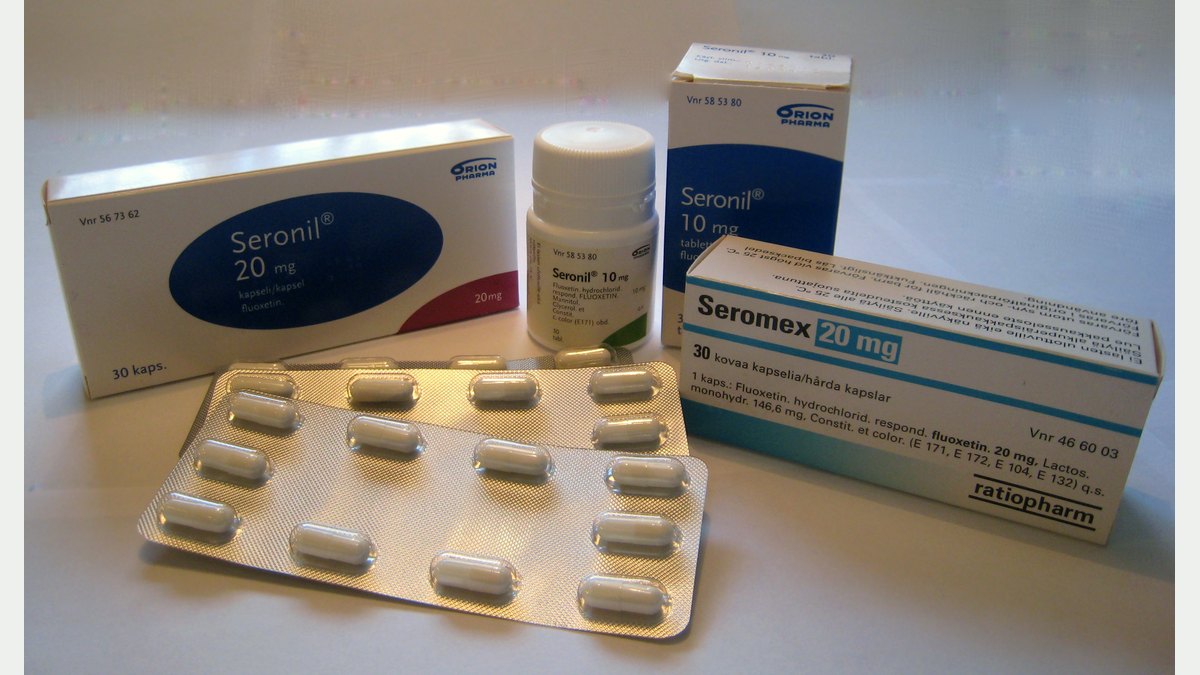
Photo: Anniina Järvelä · 2012 · Public domain · framed · Illustrative image.
At a glance
Antidepressants are a group of medicines used for depression and sometimes for anxiety, pain or other conditions. The group includes several families with different targets and side-effect profiles. HSE guide
The Science Behind the Drug
Transporters, receptors and the time course of treatment
SSRIs reduce serotonin reuptake. SNRIs affect reuptake of serotonin and noradrenaline. Tricyclics often affect those transporters and several other receptors. Changes at transporter level can occur earlier than changes in mood and function. Repeated exposure and changes in nerve circuits are among the explanations for that delay. A diagnosis cannot be reduced to measuring a single neurotransmitter. HSE source
What the evidence measures
Trial results depend on the condition studied. A depression symptom scale, return to usual activities, relapse after recovery and treatment discontinuation measure different things. Discuss which of those outcomes is most important at a follow-up appointment.
Compare medicines by the question that matters
| What to check | Why it matters |
|---|---|
| Why it was prescribed | depression, anxiety or another indication |
| What to monitor | mood, sleep, function and side effects over time |
What if a side effect appears before there is benefit?
Record when it started, its severity and which part of day-to-day life it affects. The timing can inform a discussion about managing the effect, changing treatment or continuing to the planned review.
When to ask for help or a medication review
Discuss dose changes or tapering with the prescriber. Seek urgent help if thoughts of self-harm emerge or you feel unable to stay safe. Bring other prescription, non-prescription and herbal products to the medication review. HSE patient guidance
Why the same medicine can show up on very different prescriptions
Some antidepressants act on serotonin transport, others affect both serotonin and noradrenaline, and some have additional receptor effects. A GP may choose the same medicine for two people with different goals, such as improving depression symptoms or helping with a particular type of nerve pain. The expected time course and the outcomes worth tracking can differ. Your starting question should be “What is this intended to help in my case?” HSE antidepressant guidance · Depression treatment guideline
How to make a review more useful
Take a before-and-after example of something that matters to you, such as getting out of bed, staying at work or taking a walk. Report side effects in a separate sentence and say when they appeared. The timing also helps if symptoms appear following a missed dose or a planned reduction. Symptoms during a change can have several explanations, including withdrawal effects and return of the original illness. Your prescriber can review the timing and make a plan for the next step. Depression treatment guideline
For a closer look at different mechanisms, compare sertraline, venlafaxine and mirtazapine. If you have thoughts of self-harm or feel unable to keep yourself safe, seek urgent help. HSE antidepressant guidance
Related guides
Amitriptyline for depression · Amitriptyline for pain and migraine · Escitalopram · Sertraline · Mirtazapine · How to find the Irish patient leaflet
Fluoxetine packages, examples of SSRI antidepressants.