Amitriptyline for depression in Ireland | A tricyclic antidepressant and its different receptor effects
A tricyclic antidepressant and its different receptor effects.
 Health / The Compound journal
Photo: Dav77 · 2008 · Public domain · framed · Illustrative image.
At a glance
Amitriptyline is a tricyclic antidepressant. This guide focuses on depression. Its use for pain and migraine has a different treatment goal, so instructions and the way progress is assessed may differ. HSE guide
The Science Behind the Drug
A tricyclic antidepressant and its different receptor effects
It inhibits transporters that normally move noradrenaline and serotonin back into nerve cells. It also blocks several other receptors, including muscarinic and histamine H1 receptors. Those additional actions help explain effects such as dry mouth, constipation and drowsiness. Early receptor effects and the slower changes involved in mood improvement happen on different timescales. DailyMed source
What the evidence measures
At follow-up, include sleep, appetite, ability to do daily tasks and mood. Better sleep alone can reflect sedation. It helps to describe which symptoms changed and when rather than score the medicine on one evening.
A before-and-after mood snapshot
| What to check | Why it matters |
|---|---|
| Before review | write down sleep, mood and daily functioning |
| At review | separate improvement from daytime sedation, dry mouth or constipation |
Does getting sleepy mean that the depression treatment is working?
Sleepiness reflects one of the medicine’s receptor effects and may start early. Mood, motivation and function need their own assessment. Mention any impairment when driving or carrying out safety-sensitive work.
When to ask for help or a medication review
Give the prescriber the full list of medicines, including sleep aids and products that affect heart rhythm. Severe drowsiness, collapse or suspected overdose needs emergency assessment. HSE patient guidance
Why the mood review and the side-effect review should be separate
Amitriptyline acts on serotonin and noradrenaline transporters, but those two effects do not explain everything a person feels. Its action at histamine receptors can be felt as sleepiness quite early. Its action at muscarinic receptors can cause dry mouth, blurred vision or constipation. A person may therefore notice several strong effects before there is enough information to judge whether depression is improving. HSE amitriptyline guidance · Depression treatment guideline
Try describing what happened in ordinary language. For example, “I fell asleep more easily, but still couldn’t get out to walk in the morning” separates sleep onset from energy and function. An early side-effect review can address tolerability while the prescriber continues to assess the treatment outcome.
Why clinicians ask about heart history and other medicines
Tricyclic antidepressants can affect electrical conduction in the heart, particularly in overdose. A heart rhythm history and the exact names of other prescriptions are relevant. The prescriber may also be interested in dizziness when standing, constipation or trouble passing urine. Bring a list of regular medicines, occasional sleep aids and anything bought at a pharmacy. Ask how the prescriber wants you to respond to new symptoms and how to arrange a safe review if you want to stop. HSE amitriptyline guidance
Related guides
Amitriptyline for pain and migraine · Antidepressants · How to find the Irish patient leaflet
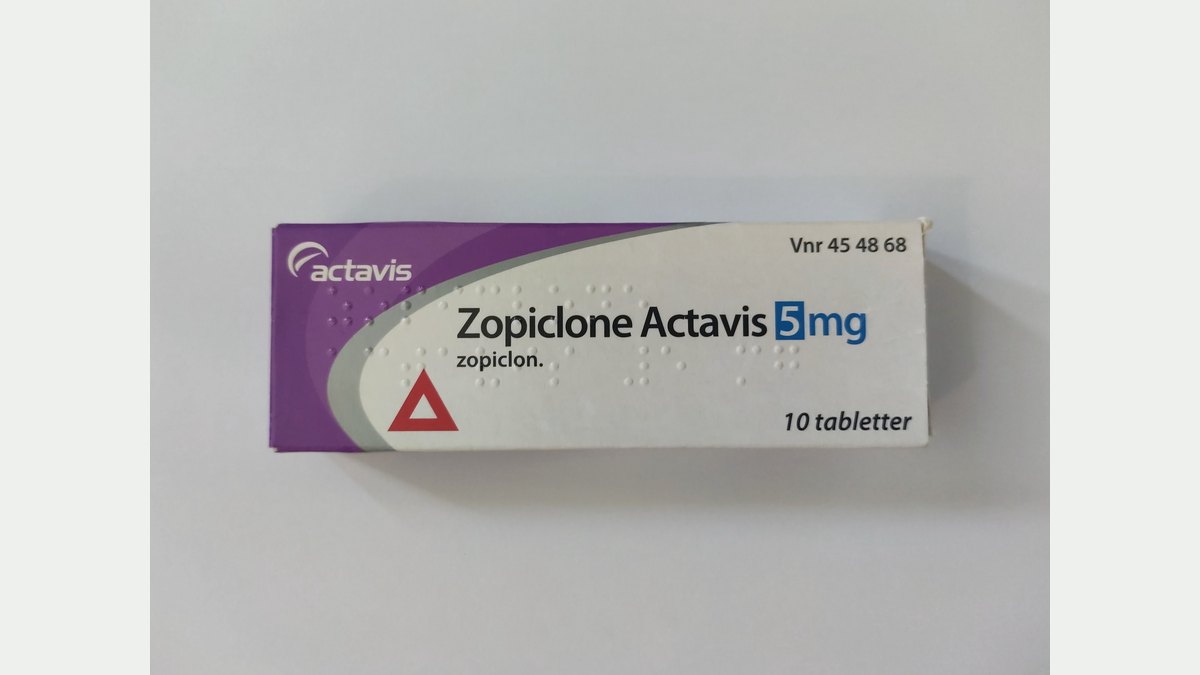
Amitriptyline product packaging.