Microsoft’s Essex exit exposes the power constraint on AI
Microsoft’s withdrawal from one Nscale site shows why electricity connections and delivery dates matter to AI investment returns.
 Wealth / The Compound journal
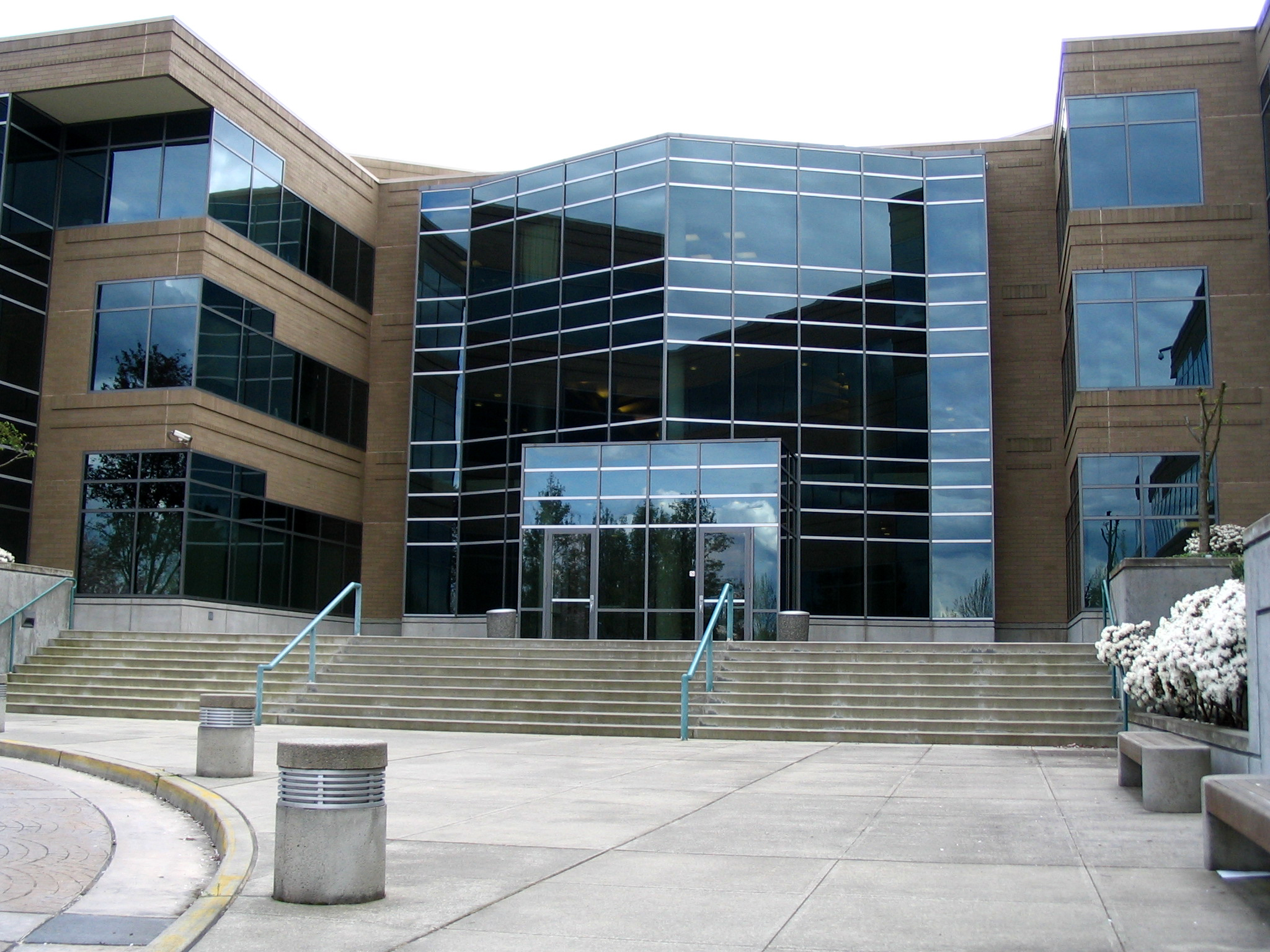
Photo: Derrick Coetzee / Wikimedia Commons / Public domain. Archival: April 2005. · Illustrative image.
Microsoft’s withdrawal from a planned Essex data centre illustrates a practical limit to the AI buildout: computing capacity only earns revenue once it has reliable power.
Microsoft has ended its agreement for Nscale’s Loughton site after electricity-connection delays pushed expected supply into the 2030s, according to Reuters reporting published on 19 October.
Microsoft told Reuters the decision concerned a single site and that its wider Nscale partnership continued. Nscale also said other contracts were unaffected and that it was exploring alternative power sources and UK sites. That qualification matters: a cancelled location is not proof that Microsoft has abandoned its broader AI strategy.
What the project was meant to deliver
Reuters reports that the site had been expected to begin operating early next year, with 23,040 Nvidia GB300 GPUs and 50 megawatts of AI computing capacity supporting Azure services. The contrast between that timetable and the reported power delay explains why the location became commercially problematic.
The reporting does not establish a Microsoft-wide revenue loss, a cancellation penalty or a reduction in its overall investment budget. We should not invent any of those figures.
Why a connection date can matter more than a spending pledge
A data centre’s investment case depends on timing. Equipment, construction and financing can require commitments before customers start paying for useful computing.
If operations start later, projected cash receipts move further into the future. Technology may also change while a project waits, potentially changing which equipment or configuration makes economic sense. The effects depend on the contracts: a tenant, developer, lender and equipment supplier need not bear the same risks.
For shareholders, the relevant chain is straightforward: secured power enables operating capacity; operating capacity serves customer demand; customer payments must then justify the capital committed. An announced budget establishes none of those later steps by itself.
A warning sign can also show capital discipline
There are two plausible interpretations for Microsoft investors.
The concern is execution. If suitable powered sites are scarce, additional spending cannot instantly create usable capacity. Demand could exceed what the company can supply in the locations or timeframe customers need.
The more positive interpretation is discipline. Walking away from a location that no longer meets requirements may protect capital, particularly if workloads can be served elsewhere. Whether that is possible depends on capacity, latency, customer commitments and local requirements.
These are analytical possibilities. The single-site announcement does not determine which dominates Microsoft’s overall financial performance.
What to look for in future disclosures
| Watch item | Why it matters |
|---|---|
| Capacity actually brought online | Separates delivery from announced ambition |
| Customer demand and utilisation | Tests whether available infrastructure is earning its keep |
| Construction and connection timing | Identifies delays before they affect revenue |
| Cash commitments and flexibility | Shows who bears the cost of changing plans |
Our Microsoft cash-flow analysis examines the financial side of the same question. The Essex development adds a physical constraint: capital must be matched with land, electricity and a viable commissioning timetable.
For investors, it would be a mistake to treat every project withdrawal as collapsing demand. It would be equally mistaken to assume that a large AI spending plan automatically becomes profitable capacity. The evidence to follow is what gets switched on, when, and at what return.
Editorial analysis. Sources checked on 21 October 2026.
Photograph: Microsoft Building 17, Redmond, April 2005 (archival). Derrick Coetzee, via Wikimedia Commons, released into the public domain. Resized and cropped for display.