Who keeps the profit on an AI rack? AMD, Arista and Supermicro report
Three suppliers reported on the same night. AMD converted chip sales into operating profit, Arista earned nearly 45 cents on each sales dollar and Supermicro consumed cash despite record revenue.
 Wealth / The Compound journal
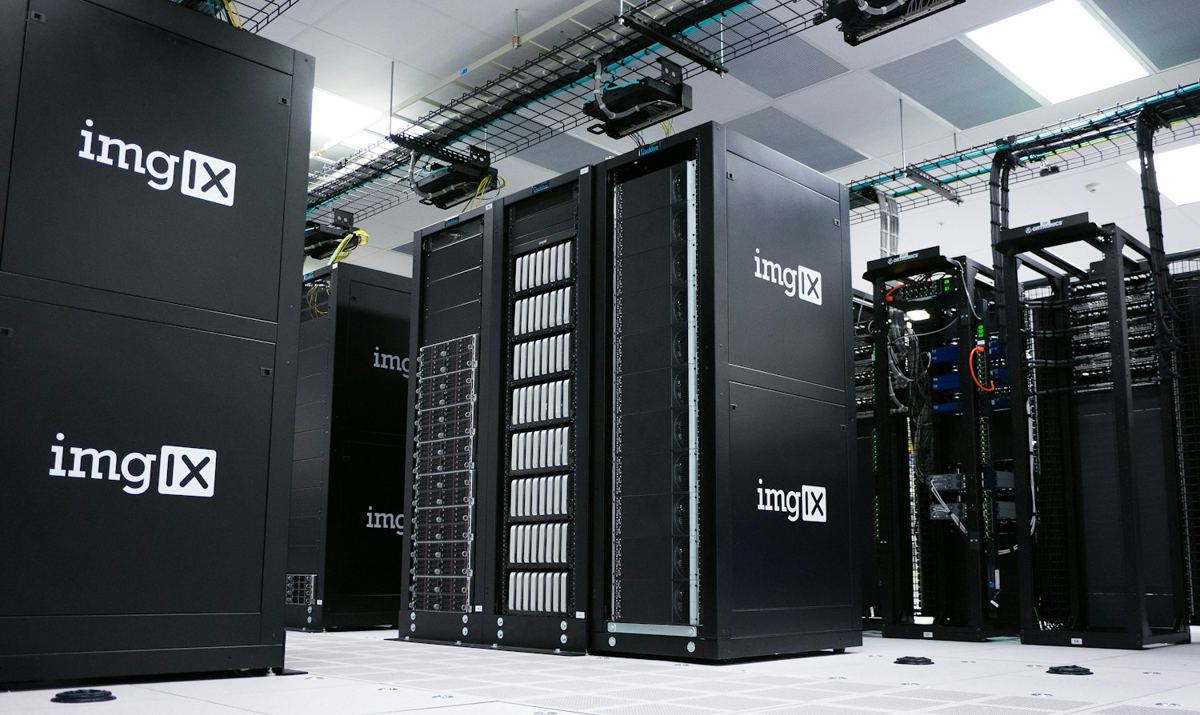
Photo: imgix / Unsplash, Unsplash Licence. Archival photograph published 26 September 2017. · Illustrative image.
Supermicro recorded nearly $20 billion in quarterly sales and used $434 million of cash in operations. Arista Networks sold less than a fifth as much and earned roughly 45 cents in operating profit on every dollar of revenue. Both supply data centres. Owning their shares gives an investor exposure to quite different businesses.
Three earnings releases on 3 November let us follow the money from processors to networking equipment to complete servers. The companies report their whole businesses, so the figures below cannot be added up to estimate the size of the AI market. A processor can appear in a chipmaker’s revenue and again in the selling price of a finished server.
AMD sold more chips without a matching increase in expenses
AMD generated $13.38 billion in fiscal Q3 revenue, up 45% from a year earlier. Data Center contributed $8.5 billion, up 97%, as EPYC server processors and the launch of MI450 accelerators drove demand. That segment now accounts for roughly 64% of sales. Gaming revenue fell 40%, a useful reminder of how concentrated the growth was.
The benefit to shareholders shows up below gross profit. Operating expenses rose 25%, well behind sales growth. GAAP operating income more than doubled to $2.83 billion and the operating margin widened from 14% to 21%. Management expects about $17 billion of sales next quarter, plus or minus 3%. Its forecast for adjusted gross margin is about 55%, against 56% this quarter. Even if the sales forecast holds, the next wave of shipments may carry a slightly lower margin. AMD’s earnings release
Arista earned more on each dollar of networking sales
Arista sells the equipment that moves data between machines. Its third-quarter revenue reached $3.66 billion, up 58.5% year on year. Its GAAP operating margin rose from 42.4% to 44.9%. At that margin, Arista generated roughly $1.64 billion of operating profit on a much smaller sales base than AMD.
Arista’s outlook puts the next test in numbers. It expects fourth-quarter sales of $3.9 billion to $4.0 billion and an adjusted operating margin of 48% to 49%, compared with 49.1% on the same basis this quarter. The midpoint implies another roughly 8% of sequential sales growth. Large customers can shift equipment purchases between quarters, so maintaining the margin as orders fluctuate matters as much as hitting a single sales target. Arista’s earnings release
Supermicro has to finance the rack before it collects the cash
Supermicro reported fiscal Q1 2027 for the quarter ended 30 September. Sales rose from $5.0 billion a year earlier to $19.9 billion. Its gross margin improved from 9.3% to 12.7% year on year, but fell from 17.5% in the preceding quarter. That 12.7% measures what remained after product costs, before operating expenses.
Supermicro earned $1.59 billion in net income while operations consumed $434 million in cash. A server assembler has to fund components and can recognise revenue before it collects payment. One quarter cannot establish a lasting cash problem, but it does give shareholders a concrete question for the next filing: as shipments rise, how much of the reported profit turns into cash? Management expects $19.5 billion to $21.5 billion in sales next quarter. Supermicro’s earnings release
For investors, these releases suggest three different measures to follow. At AMD, watch the margin on the next production ramp. At Arista, watch how much operating profit it retains as networking orders scale. At Supermicro, watch cash collection alongside shipments. All three can benefit from the same customer building a data centre while delivering very different returns on the capital needed to serve it.
Archival cover: imgix server racks, published on 26 September 2017. Original photograph · Unsplash Licence.