Jobseeker penalty would rise from €90 to €100 under Social Welfare Bill
After Simon Harris’s weekend speech, here is who the proposed €100 weekly reduction would affect, when it could start and how to challenge a decision.
 News / Wealth
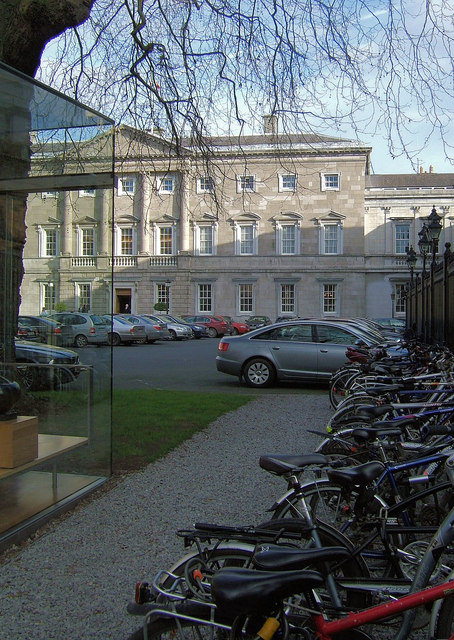
Photo: David Hawgood, Social Welfare office, Kinsale, 7 July 2012, via Geograph and Wikimedia Commons, CC BY-SA 2.0 · Illustrative image.
In his 7 November Ard Fheis speech, Tánaiste Simon Harris called for a new Pathways to Work plan and penalties for people who refuse to engage with employment services. For a household receiving Jobseeker’s Allowance, the figure to watch is in a Bill already before the Oireachtas. Section 9 would raise the weekly deduction from €90 to €100 for certain claimants on the maximum personal rate. A long spell out of work alone does not trigger the deduction.
Who would the €100 apply to?
The Bill as introduced covers the maximum rates of Jobseeker’s Allowance, Jobseeker’s Benefit and Jobseeker’s Benefit for the Self-Employed where an activation penalty applies. Different amounts apply to reduced rates and to Supplementary Welfare Allowance. Someone on the separate Jobseeker’s Pay-Related Benefit should not use the €100 figure to work out their payment. Oireachtas explanatory memorandum
The proposed start date in section 9 is 31 December 2026, subject to enactment. For a person to whom the full deduction applied for three weeks, the amount withheld relative to their applicable full rate would be 3 × €100 = €300, compared with 3 × €90 = €270 under the current deduction. The €30 difference compares the penalties alone. A person’s actual payment also depends on their underlying rate and circumstances.
What to do if you receive an Intreo notice
Read what you have been asked to attend and when. If you have a good reason you cannot take part, contact the office on the notice, explain the circumstances and keep a copy of the message or supporting evidence. The Department’s Jobseeker’s Allowance guidelines distinguish failure to engage without good cause from a claimant who has a good reason. They also explain that continued refusal without good cause after at least 21 days on a reduced rate can lead to a separate disqualification.
If a decision reduces your payment, check which scheme, period and reason the letter identifies. The Department says an appeal should be made within 60 days of the decision and that you can request an oral hearing. The weekend speech itself gives nobody a new deduction or an individual payment date. Official allowance and appeals guidance
Archive photograph: David Hawgood, Social Welfare office, Kinsale, 7 July 2012, via Geograph and Wikimedia Commons, CC BY-SA 2.0. Licence. Social previews crop the photograph.