Dublin Theatre Festival 2026: what’s on, when it runs and how to plan a visit
Dublin Theatre Festival runs from 24 September to 11 October 2026, with 26 productions across the city. Here is a practical guide to the dates, venues, standout shows and accessibility options.
 News / Life
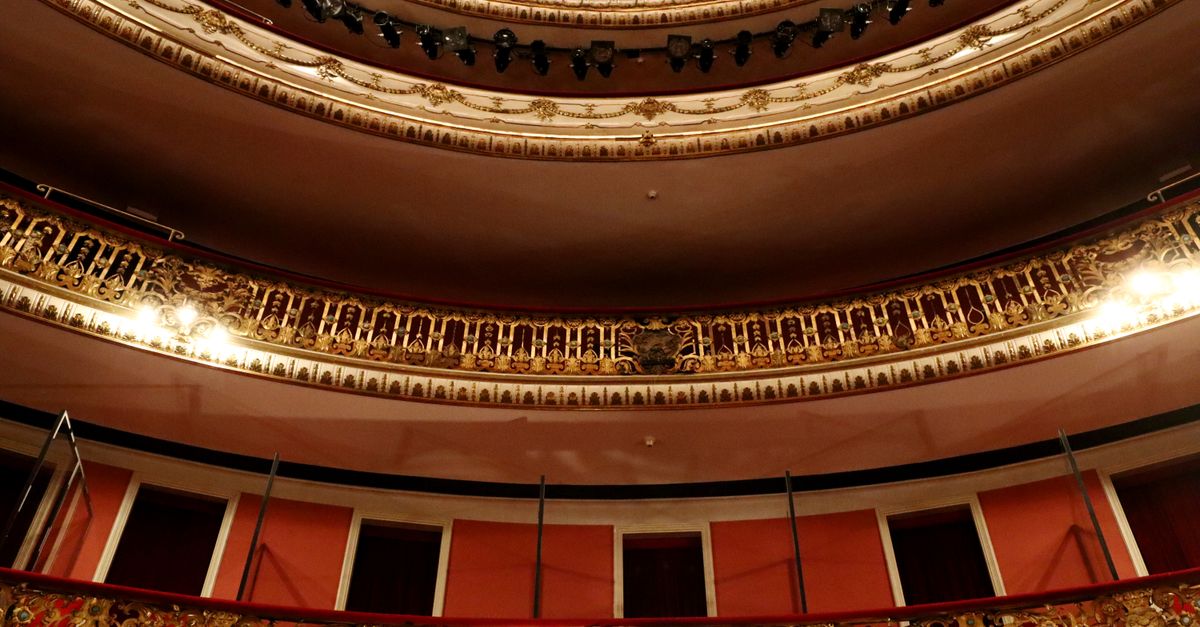
Photo: Dominiquemel16 Ramos on Pexels · Illustrative image.
News & culture guide · 25 September 2026
Dublin Theatre Festival is now under way, bringing 18 days of theatre, performance and events to venues across the capital.
The 2026 festival runs from 24 September to 11 October and features 26 productions, mixing Irish work, international shows, new writing, reimagined classics and experimental performance.
For anyone thinking of going, the useful question is not just “what is on?” but which shows are running when, where they are taking place, and what kind of night out you want.
Dublin Theatre Festival 2026 dates
Festival dates: 24 September to 11 October 2026.
The programme is spread across venues including:
- the Gaiety Theatre;
- the Abbey Theatre;
- the Gate Theatre;
- Project Arts Centre;
- the Civic Theatre;
- Dublin Municipal Theatre at Smock Alley;
- the Samuel Beckett Theatre;
- the O’Reilly Theatre at Belvedere College;
- Draíocht;
- Pavilion Theatre;
- and other locations around Dublin.
There are also talks, forums, walking tours and development events alongside the main productions.
What are the standout shows?
The festival has a broad programme, so there is no single “best” show. The easiest way to choose is by the kind of theatre you want to see.
RADIO BETTE
Gaiety Theatre · 23–27 September
This international production from The Goat Exchange draws on the world of Bette Davis and classic Hollywood, mixing nostalgia with contemporary experimental theatre.
The show was originally announced with Ruth Negga, who later withdrew from the production before the festival.
A Moon for the Misbegotten
Gaiety Theatre · 1–4 October
Druid presents Eugene O’Neill’s classic, directed by Garry Hynes.
This is likely to appeal to anyone looking for a more traditional major-stage theatre experience.
Lourdes! The Musical
Civic Theatre · 25 September–10 October
A new musical from Xnthony and Matthew Floyd Jones.
It is one of the programme’s more distinctive Irish productions and runs across much of the festival, making it relatively easy to fit into a visit.
ANIMALS
Abbey Theatre · 23 September–10 October
Adapted from short stories by Blindboyboatclub and directed by Dan Colley.
This is one of the clearest crossover titles in the programme for audiences who do not regularly attend theatre but are already familiar with Blindboy’s work.
TANZ
O’Reilly Theatre, Belvedere College · 26–27 September
A Dublin debut for Austrian choreographer and performance artist Florentina Holzinger.
This sits at the more experimental end of the programme.
Meredith
Gate Theatre · 25 September–11 October
Written by Erica Murray and staged at the Gate Theatre.
Because it runs for almost the full festival, it is another relatively flexible option for people planning a night out at short notice.
There is more than conventional theatre
One of the strengths of the festival is that the programme extends beyond standard plays.
The official programme includes:
- dance and performance;
- musicals;
- work for families;
- talks and festival forums;
- walking tours;
- development events;
- and international experimental work.
Examples include Dublin’s Older Theatre History: A Walking Tour, several Festival Forum events, and family-oriented productions such as Bees and Pram People.
That makes the festival useful even for people who would not normally describe themselves as theatre-goers.
What accessibility options are available?
The festival programme marks a range of accessible performances.
Depending on the production, this can include:
- Irish Sign Language;
- audio description;
- touch tours;
- open captioning;
- relaxed performances;
- and “Talking Theatre” events.
The official festival website allows users to filter the programme by accessibility option.
That is worth checking before booking because accessible performances may only be available on specific dates.
How should you choose a show?
A simple way to narrow the programme is to decide what you want from the evening.
If you want a big theatre experience, look first at the Gaiety, Abbey or Gate productions.
If you want something more experimental, Project Arts Centre, the Samuel Beckett Theatre and the O’Reilly Theatre have several of the more adventurous productions.
If you want a lighter or more accessible entry point, a musical or a production linked to a familiar Irish name may be easier than starting with an abstract international work.
If you are bringing children, use the festival’s family and accessibility filters rather than browsing the entire programme.
Can you make a full day of it?
Yes.
Because the venues are spread across central Dublin and the wider city, the festival works well as part of a broader day out.
You could combine an afternoon event or walking tour with dinner and an evening performance.
For central venues, areas around Temple Bar, Dame Street, O’Connell Street, Parnell Square and the south city centre are all within relatively easy reach of one another.
The Civic Theatre, Draíocht and Pavilion Theatre are further out, so allow more travel time.
Why this festival matters
Dublin Theatre Festival was founded in 1957 and is approaching its 70th anniversary in 2027.
This year is the second festival programmed under Artistic Director and CEO Róise Goan.
RTÉ reported that the 2026 programme is built around four broad themes:
- Troublemakers
- Irish Icons
- The Matriarchy
- It’s Complicated
The mix reflects what the festival has long tried to do: put major Irish work beside international productions and give audiences access to theatre they may not otherwise see in Dublin.
The practical takeaway
If you are interested in going, the best approach is to start with your dates rather than trying to digest the entire programme.
Pick the evening or weekend you are free, filter the official programme by date, then compare:
- venue;
- running time;
- accessibility;
- style of production;
- and ticket availability.
With 26 productions across 18 days, there is enough variety that you do not need to be a regular theatre-goer to find something suitable.
Sources
- Dublin Theatre Festival — Official 2026 programme
- RTÉ — Dublin Theatre Festival to celebrate creative artistry on stage
- RTÉ — Dublin Theatre Festival 2026 programme
- RTÉ — Five shows to catch at Dublin Theatre Festival 2026
More on getting out and doing things
If the festival is the nudge to do something different, see When did you last do something for fun? for the evidence on leisure and wellbeing. For the broader picture, read How to be happier: what the evidence actually says.