Ireland to Ban Loyalty-Card Alcohol Discounts: What Changes From March 2028
Ireland is moving to close a loophole that allows alcohol to be sold at a lower price simply because a shopper holds a supermarket loyalty card. The amended rules are expected to take effect in March 2028.
 News / Health
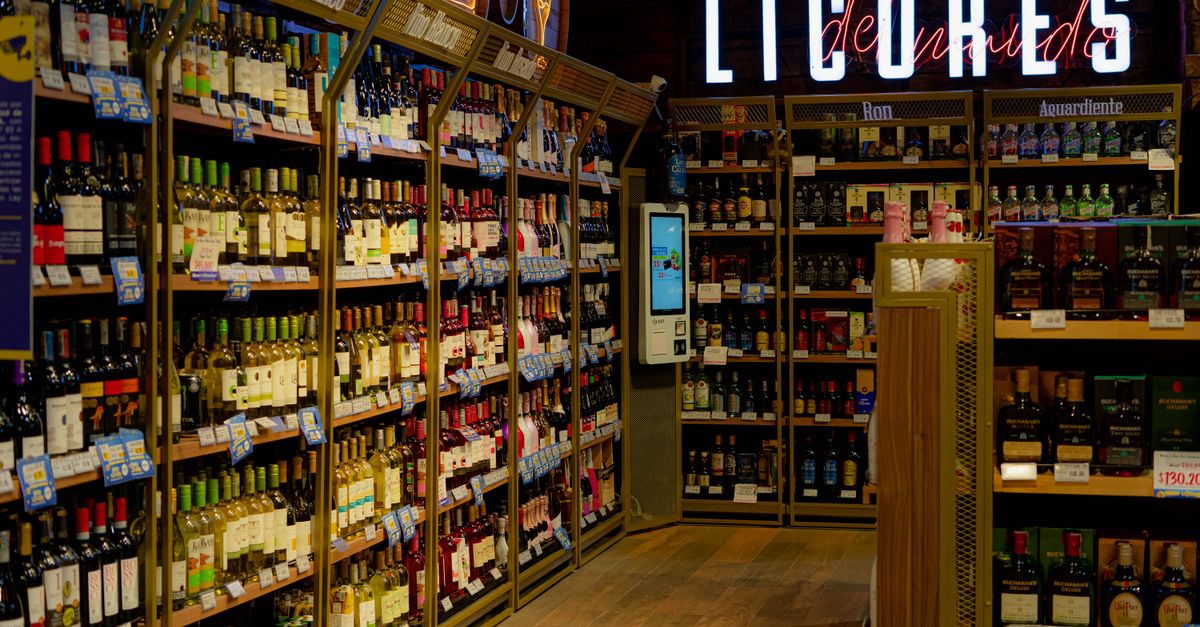
Photo: Nicolás Rueda on Pexels · Illustrative image.
News analysis · 23 September 2026. This article explains the 2026 amendment to Ireland's alcohol-promotion rules and the expected March 2028 commencement date reported today.
Ireland is moving to end supermarket loyalty-card-only discounts on alcohol, closing a gap left by the existing rules on alcohol promotions.
The change targets deals where a bottle of wine, beer or spirits is sold at a lower price simply because the shopper possesses a loyalty card or belongs to a supermarket club.
The amended rules are expected to come into effect in March 2028.
That does not mean loyalty-card restrictions on alcohol are completely new.
Ireland already bans several types of alcohol promotions.
The new amendment addresses a specific pricing model that emerged after those earlier restrictions took effect.
What exactly is being banned?
The draft 2026 amendment would prohibit a retailer from giving a customer a reduced alcohol price because that customer possesses a loyalty card or belongs to a loyalty scheme or club.
The European Commission’s Technical Regulation Information System describes the change directly.
It says the amendment is intended to prohibit:
price reductions for alcohol products based on possession of a loyalty card or membership of a loyalty scheme or club.
That means a supermarket could no longer advertise one price for ordinary shoppers and a cheaper alcohol price available only to loyalty-card members under that model.
The measure is contained in the Public Health (Alcohol) Act 2018 (Sale and Supply of Alcohol Products) (Amendment) Regulations 2026.
European Commission TRIS notification.
What is already banned?
This is where the distinction matters.
Since 11 January 2021, Ireland’s existing alcohol-promotion regulations have already prohibited:
- awarding loyalty-card points when alcohol is purchased;
- using loyalty-card points to obtain alcohol at a reduced price or free;
- using points earned on other products to obtain discounted alcohol;
- selling alcohol at a reduced price because it is bought with another product or service; and
- very short-term alcohol price promotions lasting three days or less.
The Department of Health confirmed those restrictions when the 2020 Regulations came into operation in January 2021.
Department of Health: alcohol price-promotion rules.
So the new measure is not another ban on loyalty points.
Those were already covered.
The issue is the newer form of loyalty pricing where no points need to be earned or redeemed.
A cardholder simply sees a lower shelf price.
The loophole the amendment is trying to close
The European Commission notification explains why the Government considered another regulation necessary.
After the 2020 rules, loyalty schemes increasingly moved away from points-based alcohol discounts.
Instead, some schemes offered a lower price purely because the customer was a loyalty-card holder or member.
That distinction meant the promotion did not necessarily depend on:
- earning points;
- redeeming points; or
- exchanging a voucher generated from points.
The 2026 amendment is designed to capture that model as well.
What could this look like in a supermarket?
Imagine a bottle of wine displayed at:
Standard price: €12
Loyalty-card price: €9
The customer does not spend points.
They do not redeem a reward.
They simply scan the loyalty card and receive the €9 price.
That is the type of pricing arrangement the new amendment is intended to prohibit for alcohol.
The same supermarket could still operate loyalty pricing on ordinary groceries, subject to general consumer law.
The restriction is specifically about qualifying alcohol price promotions.
Why is Ireland doing this?
Section 23 of the Public Health (Alcohol) Act 2018 gives the Minister for Health powers to restrict certain promotions involving alcohol.
The Act’s broader public-health objectives include reducing harmful alcohol consumption and limiting pricing and promotional practices that can encourage it.
In its 2026 notification to the European Commission, the Department of Health argued that off-licence availability had increased substantially over previous decades and that cheaper retail alcohol and promotional pricing can increase accessibility.
That is the Government’s stated policy rationale for extending the restriction.
Public-health advocacy group Alcohol Action Ireland has welcomed the move, arguing that supermarket club pricing had become a way around the spirit of the earlier promotion restrictions.
The effect on actual consumption will ultimately depend on how much loyalty pricing currently changes purchase behaviour and how retailers adjust prices after the rule begins.
Will supermarkets still be allowed to discount alcohol?
The proposal should not be read as a blanket ban on every alcohol price reduction.
Ireland already has several different rules operating at the same time.
There is:
- Minimum Unit Pricing, which sets a legal floor below which alcohol cannot be sold;
- restrictions on specific promotional structures;
- restrictions on short-term promotions;
- restrictions on loyalty points;
- and now the proposed restriction on loyalty-card-only prices.
An ordinary alcohol price reduction can still be treated differently depending on how it is structured and how long it lasts.
The legal issue is not simply whether the price is lower.
It is why the lower price is available and whether the promotion falls within a prohibited category.
Why March 2028 rather than immediately?
The draft amendment was notified to the European Commission in March 2026 under the EU Technical Standards Directive process.
The notification process allows the Commission and other member states to examine proposed national technical rules before they take effect.
The Journal reported on 23 September that the amended regulations are due to come into effect in March 2028, approximately 18 months from now.
Until the amendment actually enters into force, the existing promotion rules continue to apply.
What does this mean for shoppers?
For someone buying alcohol in a supermarket, the most visible change should be simple.
A loyalty card would no longer unlock a special lower alcohol price under the type of scheme targeted by the amendment.
That could mean:
- the loyalty price disappears;
- the lower price becomes available to everyone;
- the product is repriced;
- or retailers change how they promote alcohol.
The regulations do not dictate which commercial response a retailer must choose.
They restrict the promotional mechanism.
Price is only one part of what you are buying
A €3 discount can make a bottle look like a bargain.
But price says nothing about the amount of alcohol in it.
Two similarly priced drinks can contain very different numbers of standard drinks depending on:
- container size;
- alcohol by volume;
- number of servings.
That is where the more useful calculation begins.
Try it with Compound’s alcohol calculator
Use the Alcohol Units, Calories & Cost Calculator to enter what you actually drink.
It calculates:
- standard drinks;
- pure alcohol;
- estimated calories;
- weekly or monthly spend;
- and the effect of a hypothetical reduction in consumption.
For example, a person deciding between two promotions can compare cost per drinking pattern, not simply the sticker discount.
The calculator does not tell you how much you should drink.
It makes the quantity and cost visible.
What does the HSE currently say about alcohol?
The HSE says there is no level of alcohol consumption that is completely safe for health.
Its current low-risk weekly guidance for adults is:
| Current HSE low-risk guideline | |
|---|---|
| Women | No more than 11 standard drinks per week |
| Men | No more than 17 standard drinks per week |
| Single occasion | No more than 6 standard drinks |
| Alcohol-free days | At least 2–3 days each week |
The HSE notes that these guidelines are designed to reduce risk rather than define a safe level.
HSE weekly low-risk alcohol guidelines.
Standard drinks are often misunderstood
In Ireland, one standard drink contains 10 grams of pure alcohol.
A single retail container is not necessarily one standard drink.
For example:
- a large bottle of wine contains several standard drinks;
- a pint of stronger beer can contain more alcohol than a lower-strength pint;
- a large home measure of spirits may be more than one standard drink.
That is why counting bottles, glasses or cans can be misleading.
The Compound alcohol calculator converts container size and ABV into the underlying alcohol amount.
Could the ban save shoppers money or cost them more?
For shoppers who regularly buy alcohol at loyalty-card-only prices, the immediate effect could be a higher checkout price if retailers return those products to the previous non-member price.
But that is not the only possible response.
Retailers could instead:
- reduce the ordinary price for everyone;
- run compliant longer-term promotions;
- change product mix;
- or adjust other pricing.
The final consumer effect therefore cannot be known simply from the regulation.
What can be said is that membership of a loyalty scheme will no longer be permitted to be the reason for receiving the lower alcohol price under the new rule.
This is part of a much wider alcohol policy
The loyalty-card amendment sits inside the Public Health (Alcohol) Act 2018.
Other measures under the Act include or provide for:
- Minimum Unit Pricing;
- restrictions on alcohol advertising;
- structural separation of alcohol in mixed retail stores;
- restrictions on sponsorship;
- broadcast-advertising limits;
- and health labelling.
Some provisions have commenced at different times.
Ireland’s alcohol health-labelling requirements are currently due to take effect in September 2028, following a postponement from the earlier timetable.
That is separate from the loyalty-card measure.
What happens next?
For now, shoppers can still encounter alcohol products offered at special prices linked simply to loyalty-card membership where those offers comply with the current law.
The 2026 amendment is intended to end that practice.
The reported commencement date is March 2028.
The key timeline is therefore:
| Date | What happened |
|---|---|
| 2018 | Public Health (Alcohol) Act signed into law |
| January 2021 | Existing rules on loyalty points and specified alcohol promotions took effect |
| March 2026 | Draft loyalty-card price amendment notified to the European Commission |
| September 2026 | Minister progressed the amendment; March 2028 commencement reported |
| March 2028 | Expected start of the new loyalty-card-only alcohol discount restriction |
The practical change is narrow but easy to understand:
You may have a supermarket loyalty card. You may still use it for ordinary loyalty benefits. But it will no longer be able to make alcohol cheaper simply because you are a member of the scheme once the new rule takes effect.