The Ploughing: a history of gathering, and why it matters for wellbeing
From a county rivalry in 1931 to a national meeting place: the story of the Ploughing, and what research tells us about culture, community and mental wellbeing.
 Life / The Compound journal
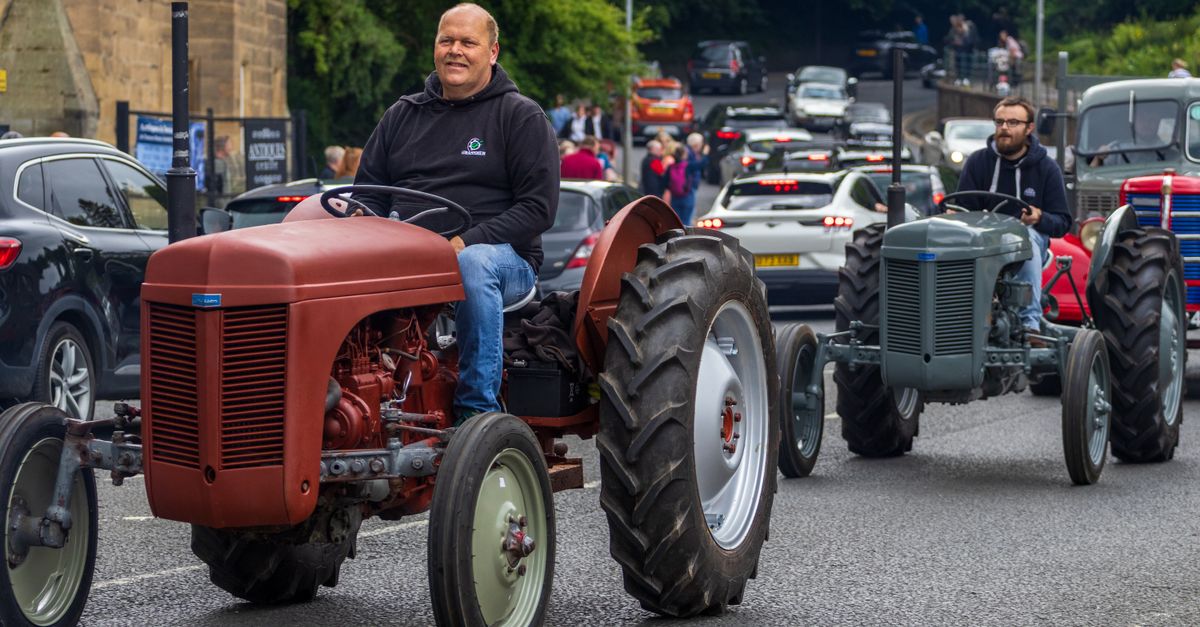
Photo: Dan Wright on Pexels · Illustrative image.
There are days out that give you something to look at, and days out that give you people to talk to. The National Ploughing Championships can do both.
A competition provides the reason to gather. Around it, conversations can range from machinery and weather to family news and the person you have not seen since last year. That combination makes the Ploughing a useful place to consider a wider question: what do shared occasions contribute to a good life?
Community and cultural events can support mental wellbeing through enjoyment, connection and participation. The evidence does not establish that a visit to the Ploughing prevents or treats a mental illness. Its value deserves a more thoughtful explanation than that.
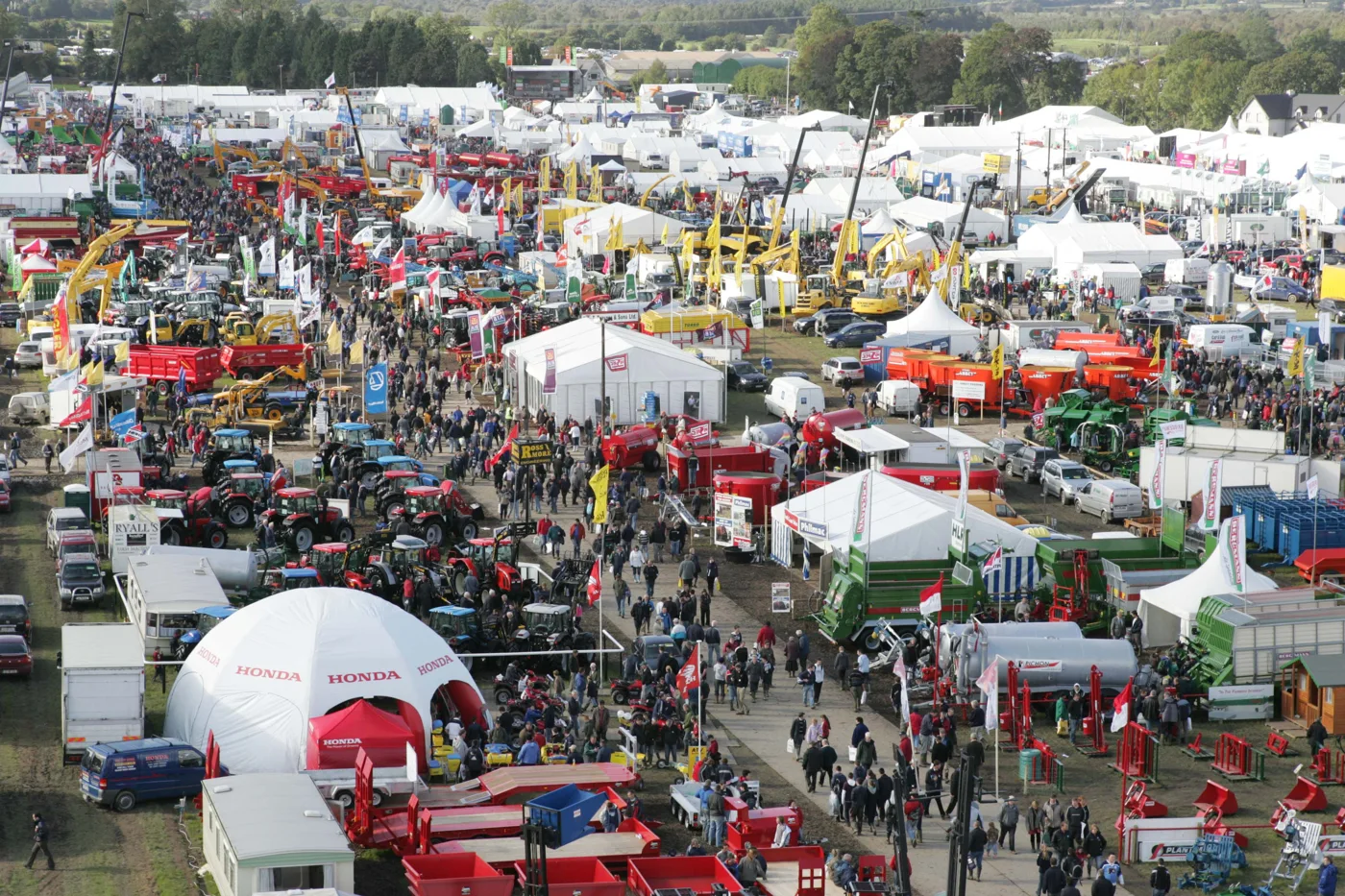
From a county challenge to a national institution
According to the National Ploughing Association’s own history, the beginning was a disagreement between friends Denis Allen of Wexford and J.J. Bergin of Kildare about which county had the better ploughmen. The challenge led to a contest on 16 February 1931, in W.K. Hosie’s field at Coursetown, Athy.
The NPA records several turning points:
- 1954: Killarney hosted the World Ploughing Contest; women also competed in the national event’s “Farmerette” class.
- 1955: the national event expanded to two days.
- 1964: Wicklow’s Charlie Keegan won Ireland’s first world ploughing title.
- 1969: the Irish Countrywomen’s Association was invited to demonstrate cookery and crafts.
- 1973: Anna May McHugh became managing director, having previously served as secretary.
- 1988: the Championships expanded to three days as attendance increased.
These milestones show an event developing both as a sporting competition and as a broader gathering. They also reflect changing opportunities for participation, including women’s involvement in an institution whose early competitions had been dominated by men. Source: NPA history.
Why it became more than a farming competition
The National Library of Ireland describes the Championships as one of the country’s largest annual events. Its account records 297,000 visitors in 2019 and an exhibition drawing more than 1,700 exhibitors. Those figures describe a particular period, rather than a guaranteed attendance every year. The Library has also preserved the NPA website in its web archive, recognising the cultural value of the event’s digital record. Source: National Library of Ireland.
That act of preservation is revealing. Agricultural history includes the institutions through which people meet, exchange knowledge and represent themselves, alongside the tools and techniques of working the land.
A visitor can take an interest in the skill of a competitor, the work of a food producer or a family tradition. A child can encounter an occupation that would otherwise remain an abstract description. Someone who grew up on a farm but now lives elsewhere can find an occasion to reconnect with that part of their life. These are examples of what an event can make possible, rather than claims about every visitor’s experience.
The modern programme also combines continuity with change. The NPA lists the 2026 Championships for 15–17 September in Screggan, Tullamore, Co. Offaly. Its announcements include brown bread baking and an Enterprise Ireland Innovation Arena. It reports 225,500 visitors for the 2025 event. A traditional food competition and a platform for new agricultural businesses can sit within the same gathering. Source: NPA event announcements.
The Ploughing’s cultural interest lies partly in that overlap: an occasion can preserve familiar practices while making room for something new.
What research says about culture and mental wellbeing
Research gives us reasons to take cultural participation seriously, but it does not give every event the same measurable effect.
The World Health Organization’s 2019 scoping review brought together evidence from more than 3,000 studies on arts and health. It identified roles for arts engagement in promoting health and in the prevention, management and treatment of illness. The evidence ranged from case studies and small surveys to longitudinal research and randomised trials. That breadth is useful, but it is not equivalent to 3,000 trials proving that festivals improve mental health. The review concerns many activities, settings and outcomes. Source: WHO evidence review.
A more specific study by Daisy Fancourt and Urszula Tymoszuk, published in the British Journal of Psychiatry, examined cultural engagement and subsequent depression among older adults in England. It found an association between cultural engagement and a lower likelihood of developing depression. Because it was observational, it cannot fully exclude differences between people who participate and those who do not. Its findings also cannot be transferred directly to younger Irish adults or agricultural shows. Source: Fancourt and Tymoszuk.
The HSE’s practical advice is more straightforward: social contact and participation in community activities can improve mental health. It encourages people to build connections and find activities through places such as libraries, local groups and education providers. Source: HSE.
Taken together, these sources support creating opportunities for enjoyable, meaningful participation. They do not justify promising a particular reduction in anxiety or depression from buying a ticket.
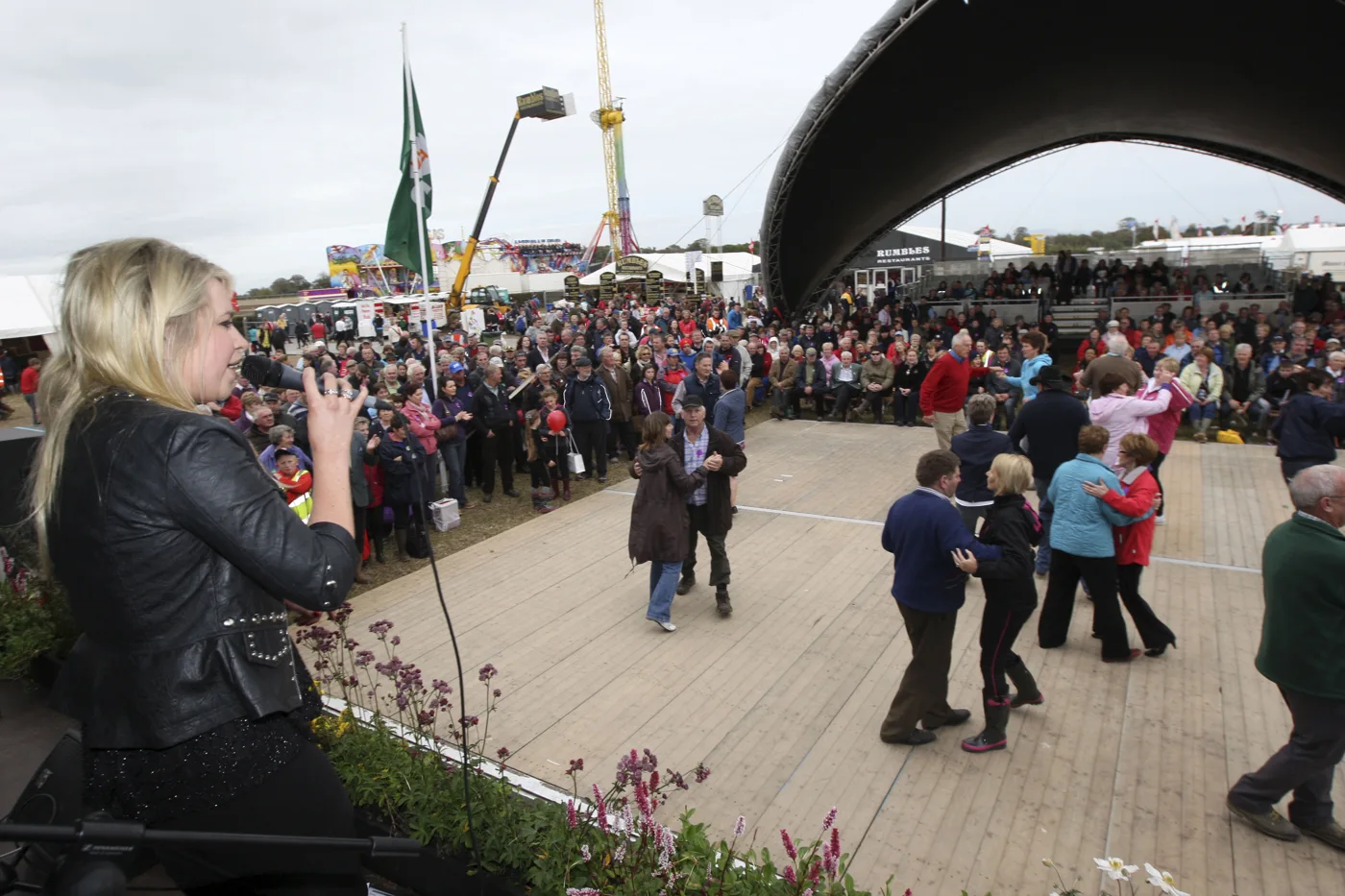
How a shared occasion can help
The following are plausible ways an event such as the Ploughing might support wellbeing. They are an interpretation of its social setting, not outcomes measured in a clinical study of the Championships.
It gives conversation a starting point
“Go and meet people” can be difficult advice to act on. Meet whom? Where? What do you say when you arrive?
A shared activity supplies some of the missing structure. Watching a competition or discussing a demonstration gives two people something to talk about before they know much about each other. An encounter need not begin with a disclosure about loneliness or stress to become worthwhile.
For someone whose working day involves long stretches alone, a planned outing may create an opportunity that would otherwise be easy to postpone. That does not mean all farmers are isolated, or that rural life is inherently lonely. It means the practical circumstances of a person’s day matter when opportunities for contact are being considered.
It makes room for recognition and belonging
There is a difference between being surrounded by people and feeling that you have a place among them.
An event can offer recognition: your knowledge is useful, your county is represented, your craft interests somebody, or your family’s experience is part of the wider story. That possibility helps explain why heritage can matter emotionally as well as historically.
Belonging should also be available to someone without those existing connections. A newcomer should not need a farming background, the right surname or a companion who already knows everyone to feel welcome.
It offers enjoyment without a productivity target
A good day does not have to result in a purchase, a business contact or a personal improvement plan. Watching someone do something skilfully, laughing with a friend or discovering an unfamiliar interest can be enough.
This matters for the way we talk about happiness. If every enjoyable activity needs to earn its place by improving our performance, leisure becomes another assessment. Research can help explain its value without turning the day itself into homework.
It creates opportunities to contribute
Attending, entering a competition, demonstrating a skill and helping with an event are different forms of participation. Some people prefer to watch; others find a defined task easier than unstructured socialising.
A manageable volunteer role can provide an introduction and a reason to return. But contribution should remain manageable. An organiser who is exhausted by unpaid work has not automatically benefited because the event made other people happy.
The Irish connection: social prescribing
Ireland already has an approach that recognises community participation as part of wellbeing support. The HSE describes social prescribing as a way to connect people with local services and activities through a link worker. Options can include arts, gardening, volunteering, cookery and hobby groups. Its national framework was launched in 2021. Source: HSE social prescribing framework announcement.
The useful principle is that a person may need help finding an activity that fits, rather than another instruction to become more social. Interests, confidence, transport and cost can all affect whether an introduction becomes a regular part of life.
For current local options, the All Ireland Social Prescribing Network provides a route to finding services. Social prescribing supports access to community resources; it should not be presented as a guaranteed treatment or a replacement for appropriate mental healthcare.
A major annual event can be an opening to that wider world. The connection might continue through a local association, a class or a smaller gathering long after the exhibition stands have come down.
A large crowd is not the same as a supportive community
The positive case needs to include the people an event might leave out.
Admission and travel costs can rule out a day before it begins. Noise, queues and unpredictable crowds can make an outing difficult. Mobility needs, caring responsibilities and the absence of a companion can also affect participation. Someone grieving a person they used to attend with may experience the same tradition very differently this year.
These are reasons to offer choices. They are not reasons to decide that a person has failed to benefit from community life.
For organisers, practical ways to make connection more possible include:
- Clear information about access, transport, facilities and the likely demands of the day.
- Seating, opportunities to take a break and quieter options where feasible.
- A welcoming contact or meeting point for people arriving alone.
- Affordable ways to participate and activities that do not depend on spending money.
- Volunteer shifts with defined responsibilities and time to rest.
- Information about local groups for people who want to stay involved.
These are editorial recommendations for inclusive event design, not a description of facilities guaranteed at the Ploughing. Visitors should check the organiser’s current information for their own requirements.
If wellbeing is an explicit aim, attendance totals are only one measure. Organisers could also ask whether people felt welcome, made a meaningful connection and would be comfortable returning. Any evaluation should include people who found participation difficult, rather than hearing only from enthusiastic regulars.
Bringing the benefit closer to home
You do not need to wait for a national event to try the social ingredients that make one appealing.
For someone in Meath, that could mean investigating a local agricultural show, a library talk, an amateur drama group or a heritage activity. Elsewhere, the equivalent may be a traditional music session, a community garden or a county association. These are possible starting points, not claims that a particular programme is running nearby today.
The HSE highlights libraries, local noticeboards and community groups as ways to find activities, including free options. Start with something that interests you and fits the energy, money and time you actually have. Source: HSE community activities advice.
A practical first step is to invite one person to one specific thing. If you would prefer to go alone, ask the organiser how newcomers join in. Give yourself permission to stay for a short visit. If it goes well, arrange the next contact while the idea is still fresh.
For more on finding enjoyable activities, see When did you last do something just for fun?. Our guide to loneliness in Ireland explores the wider issue of feeling disconnected.
If low mood, anxiety or loneliness is persistent or affecting daily life, seek support from your GP or a mental health professional. An enjoyable outing and professional care can have a place in the same life.
What is worth carrying forward
The Ploughing offers a useful example of how a practical competition can become a shared occasion with a much wider meaning. Its history belongs to agriculture, but the question it raises belongs to everyone: where do we have opportunities to meet, take an interest and feel involved?
A community needs occasions that people look forward to, and places where a newcomer can become familiar. Protecting those opportunities means paying attention to access and welcome as well as tradition.
The most valuable part of a day out may be the conversation that gives you a reason to meet again.
Sources checked 15 September 2026. This is an evidence-informed cultural feature, not a clinical assessment of the Ploughing Championships. Event details may change; consult the NPA for current visitor information.