Topical corticosteroids in Ireland | Skin barrier, steroid strength and site of application
Skin barrier, steroid strength and site of application.
 Health / The Compound journal
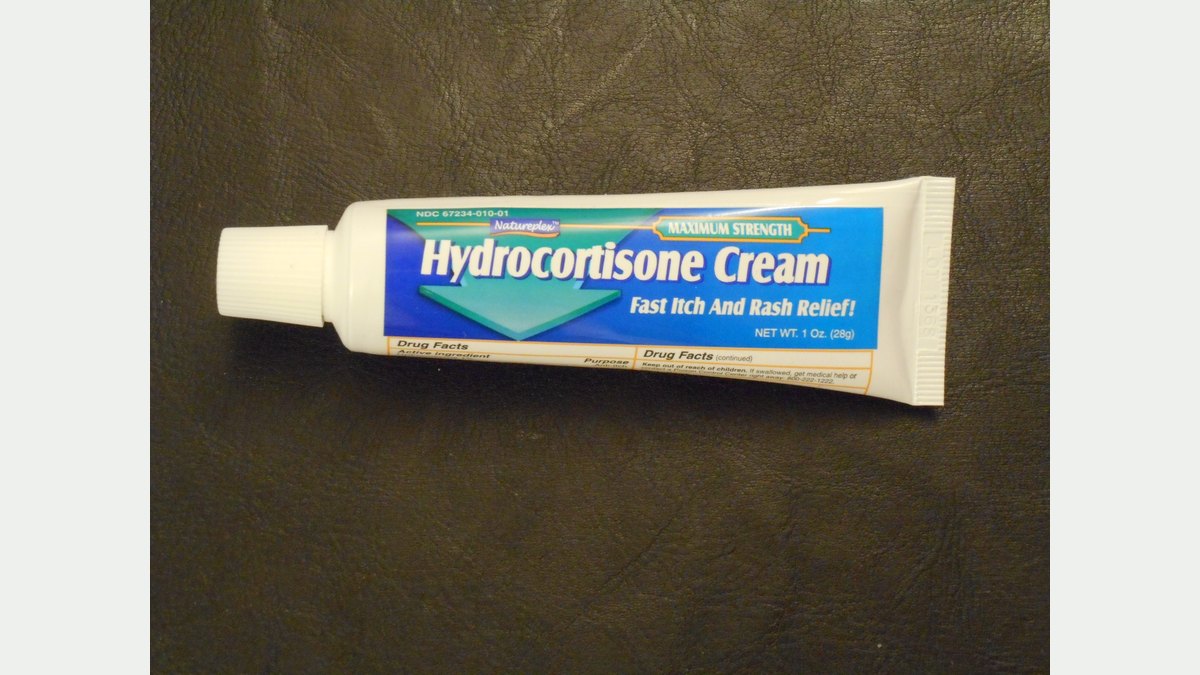
Photo: Father Goose · 2019 · CC BY-SA 4.0 · framed · Illustrative image.
At a glance
Topical corticosteroids are used for selected inflammatory skin conditions. Product strength, site of application and length of treatment are important because penetration and sensitivity vary across the body. HSE guide
The Science Behind the Drug
Skin barrier, steroid strength and site of application
The steroid reaches skin cells and binds glucocorticoid receptors, changing inflammatory gene signalling. Absorption depends on the formulation, skin barrier, surface area and whether the area is covered. Thin skin can be more susceptible to some adverse effects. HSE source
What the evidence measures
Review itching, redness and function together. Changes in spreading, pain or signs of infection may require diagnosis review. The response varies across conditions that can look similar at first.
Check the label against the treatment site
| What to check | Why it matters |
|---|---|
| Product | identify strength class and formulation |
| Site | ask exactly where and for how long it should be applied |
Why does body site matter?
Skin thickness and whether the area is covered can change how much medicine gets through. Ask about each treated site and how to judge improvement.
When to ask for help or a medication review
Ask before applying it to the face, skin folds or infected-looking skin unless that was part of the prescribed plan. Discuss persistent problems or recurrent flares. HSE patient guidance
Think about potency and body site together
The strongest-looking number on a pack does not necessarily identify the most potent corticosteroid. The ingredient and formulation affect potency and how it moves through the skin. Body site, thickness of the skin, the size of the area and whether it is covered also affect exposure. Ask the pharmacist or prescriber to show which area each product is meant for, especially if different preparations were prescribed for different areas. HSE topical corticosteroid guidance
What to take to a flare review
Bring clear photos if you have them, showing the original rash and later changes. Record itch, sleep and whether the area spread or became painful. Write down exactly which steroid and moisturiser were used and for how long. The information helps a clinician decide if the diagnosis, strength or application plan should be reviewed. HSE topical corticosteroid guidance
If an area develops increasing pain, oozing or other signs of infection, ask for assessment rather than simply increasing the product strength. List any steroid tablets or inhalers too so the clinician can see the full picture.
Related guides
Prednisolone · Steroids (corticosteroids) · Steroid inhalers · Steroid injections · Steroid nasal sprays · How to find the Irish patient leaflet
A tube of topical hydrocortisone. Image licence.