Salbutamol inhalers in Ireland: how Ventolin works and when to get help
What a salbutamol reliever inhaler does, how it opens the airways, how it differs from a preventer and when breathing symptoms need urgent help.
 Health / The Compound journal
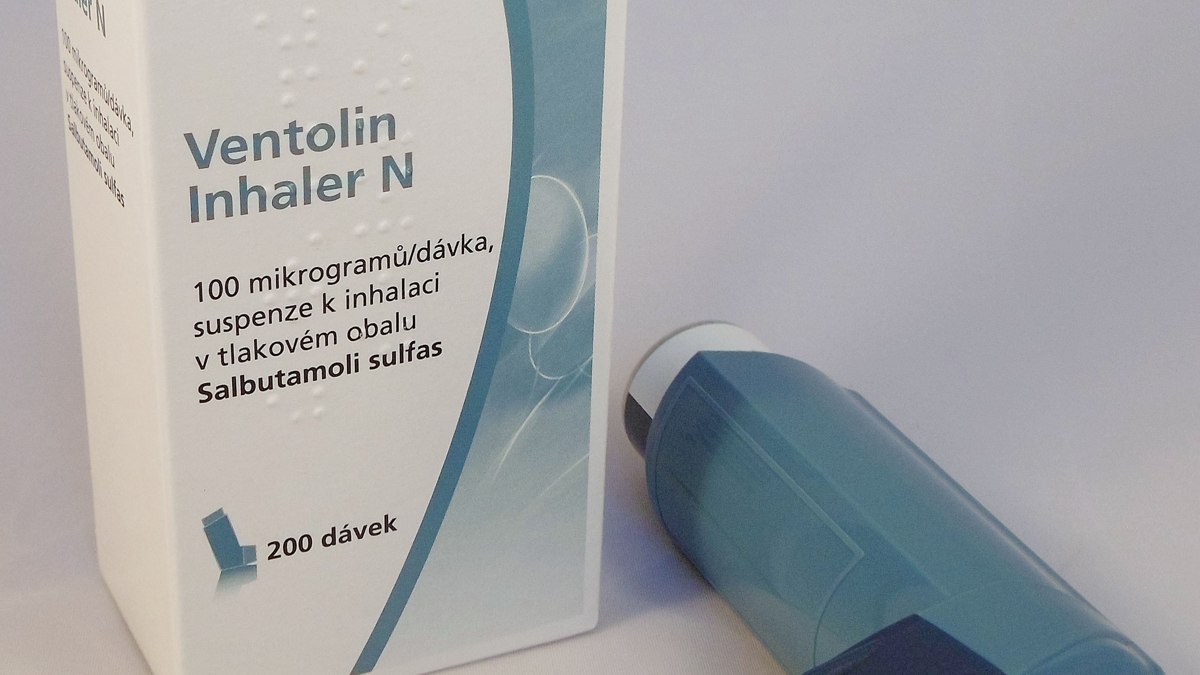
Photo: Tomino de WS, 2021 · CC BY-SA 4.0 · cropped · Illustrative image.
Salbutamol is a fast-acting reliever inhaler that widens the airways. It can ease wheezing, coughing and breathlessness caused by narrowing of the airways in asthma or chronic obstructive pulmonary disease (COPD). In Ireland it is supplied on prescription. Ventolin and Salamol are examples of brand names. HSE salbutamol guide
Call 112 or 999 immediately if you are struggling to breathe or your asthma symptoms are worsening despite your reliever. Follow your asthma action plan and the HSE’s emergency guidance.
The Science Behind the Drug
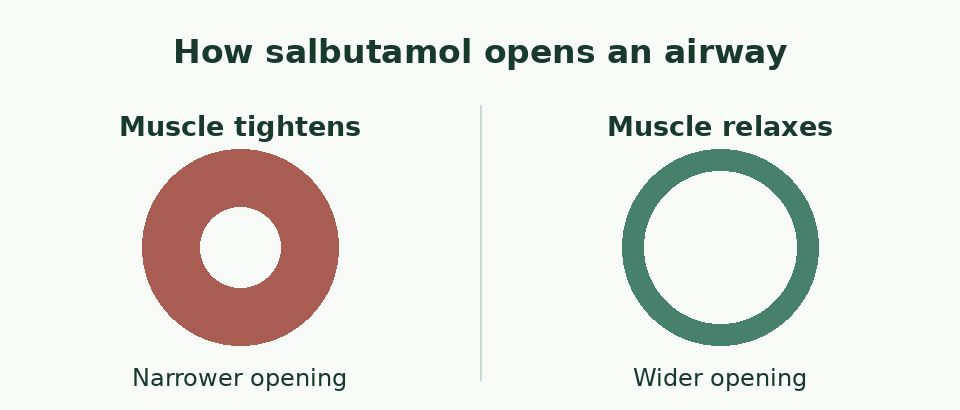
Salbutamol activates beta-2 adrenergic receptors on the smooth muscle that wraps around the airways. The signal tells that muscle to relax. As the muscle relaxes, the opening inside the airway widens and air can move more easily. This is called bronchodilation. The HPRA’s Ventolin Evohaler prescribing information describes an onset within five minutes and an effect lasting roughly four to six hours in reversible airway obstruction. HPRA prescribing information, section 5.1
Beta-2 receptors, a fast airway response and inhaler technique
Salbutamol activates beta-2 receptors in airway smooth muscle. That raises cyclic AMP and reduces the force with which the muscle contracts. The airway can open relatively quickly if the medicine reaches it. Tremor and a fast heartbeat are examples of effects that can occur beyond the lung. HSE source
What is the difference between a reliever and a preventer?
A salbutamol reliever opens the airways quickly when symptoms occur. A steroid preventer, also called a controller, helps lower airway inflammation over time. Some people use a combination inhaler for both maintenance and relief under a plan known as MART. Check the name and instructions on your inhaler and use the schedule in your own asthma action plan. HSE asthma treatment guidance
What if you need it more often?
If your reliever is becoming a regular part of the day or your asthma is waking you at night, ask your GP or pharmacist to review your symptoms and inhaler technique. The HSE specifically advises checking in if you need salbutamol more than four times in 24 hours or wake with asthma symptoms once a week or more. For an acute attack, follow your action plan and the emergency guidance above. HSE salbutamol guide
What side effects can salbutamol cause?
Shaky hands, headache or a faster heartbeat can occur. Ask a pharmacist or GP if symptoms are persistent or worrying. Mention any other medicines you take, especially a beta blocker such as propranolol, so your prescriber can check the combination. HSE side effects · HPRA prescribing information, sections 4.5 and 4.8
Browse all Common Medicines guides.
Cover photograph and cropped versions licensed under CC BY-SA 4.0.
What the evidence measures
Relief of tightness is one outcome. Frequency of symptoms, urgent visits and attacks measures a different aspect of control. Regular reliance on a reliever can be a reason to review the broader plan and inhaler technique.
Bring the inhaler to a technique check
| What to check | Why it matters |
|---|---|
| Device | demonstrate how you take a normal puff |
| Record | share symptom frequency and when you needed a reliever |
Can an inhaler problem look like a medicine problem?
A depleted device, technique problems or a mismatch between device and breathing pattern can affect delivery. Demonstrating actual use helps the clinician decide what needs to change.
Diagnose the delivery problem with the inhaler in your hand
Two inhalers can contain the same active ingredient but require different techniques. A pressurised inhaler releases a spray when activated. Dry-powder designs rely on your inhalation to move the powder. Bring every device, including the spacer if you use one, to a pharmacist or respiratory review. Show the full sequence as you normally do it. This often provides more information than describing the instructions from memory. HSE asthma treatment
What a record of reliever use can pick up
Note which device you reach for, the circumstances, and whether relief lasts as expected. Record night waking and triggers separately. A spell of increasing reliance can help your team identify a problem with technique, medicine supply or control of the underlying disease. It is also useful to know whether the device is empty or has been changed. HSE salbutamol guidance
Compare salbutamol with the steroid inhaler guide. One medicine can relieve tightness while another treats airway inflammation. Follow the plan for the actual devices you have. Severe or worsening breathing difficulty needs urgent help. HSE asthma treatment
A small record that can reveal a pattern
| What happened | What to record |
|---|---|
| You used a reliever | Which inhaler, when, what triggered symptoms and whether relief lasted |
| You woke at night | Time, symptoms and what happened after using your action plan |
| You changed device or refill | Date, device name and whether anyone checked your technique |
The record supports a review. Follow your personal asthma plan if symptoms worsen. HSE asthma treatment
Related guides
Bronchodilators · Steroid inhalers · How to find the Irish patient leaflet