Tesla Q3 2026: The Gap Between Vehicle Sales and the Autonomy Thesis
Tesla's June-quarter filing reported $28.24bn in revenue, but $1.11bn in attributable net income. That contrast is a useful starting point: a growing top line does not automatically prove that autonomous driving will generate high
 Wealth / The Compound journal
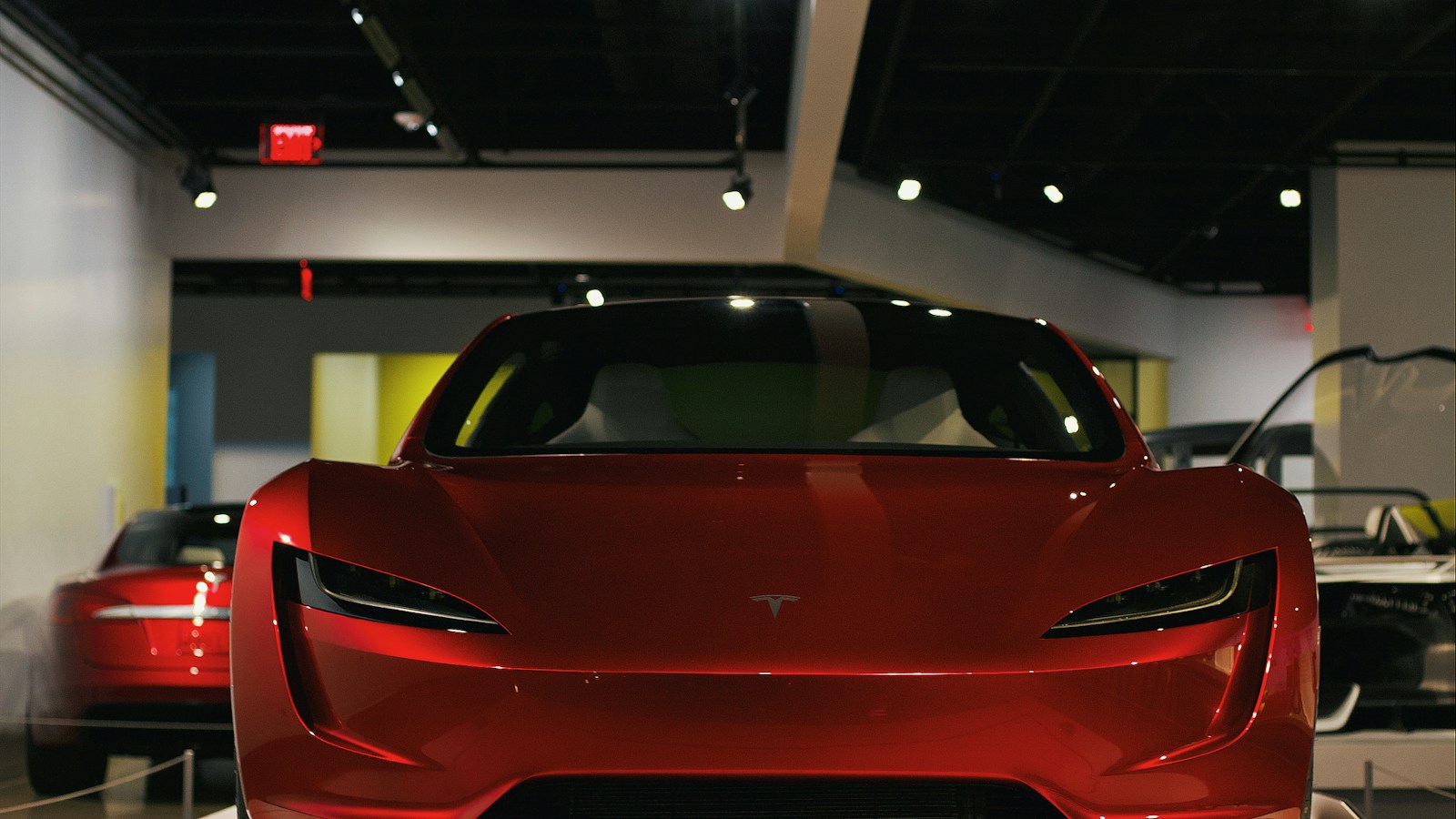
Photo: Anthony A / Unsplash (2021; Unsplash License) · Illustrative image.
Tesla’s June-quarter filing reported $28.24bn in revenue, but $1.11bn in attributable net income. That contrast is a useful starting point: a growing top line does not automatically prove that autonomous driving will generate high-margin recurring profits.
What changed
The investment debate in October 2026 increasingly centres on the economics of AI infrastructure and the durability of established profit engines. This analysis uses published company disclosures rather than guessing the outcome of upcoming earnings. Tesla’s 2026 capital expenditure plans exceed $25bn, according to its June filing. That raises the hurdle for future cash returns.
What the numbers say
A useful framework is to separate reported revenue, operating profit, capital expenditure and free cash flow. Revenue growth can be impressive while incremental investment absorbs cash. Conversely, modest sales growth may create considerable shareholder value if margins and capital efficiency improve. The appropriate comparison is not just year-on-year sales: it is incremental after-tax profit relative to incremental capital committed. Investors should read the company’s reporting carefully because segment definitions, fiscal calendars and non-GAAP measures vary.
The investment case
The bullish case is that scale, distribution and existing customer relationships allow the company to earn attractive returns on new technology investment. Strong incumbents can spread research, infrastructure and customer acquisition costs across a large base. If new products improve retention, pricing or customer productivity, operating leverage can be substantial. However, a successful product is not necessarily a successful investment at every stock price. A valuation already assuming years of exceptional growth leaves little room for execution errors.
Risks and counterarguments
The bear case starts with capital intensity, competition and expectations. AI-related spending may arrive before monetisation, competitors may force prices lower, and technological shifts may weaken an incumbent’s advantage. Regulation, supply constraints, concentration of customers or suppliers and macroeconomic conditions can change outcomes. Investors should distinguish evidence of demand from evidence of sustainable returns. Neither management ambition nor a rising share price is proof of future profitability.
What to watch
Watch the next earnings release for revenue quality, segment operating income, capital expenditure guidance, cash conversion and management’s explanation of investment returns. Compare changes with the preceding quarter and the comparable prior-year period, using the correct fiscal calendar. Ask whether new spending is creating durable incremental earnings or merely protecting existing market share. A scenario worth testing is what happens if expected future margins are several percentage points lower than the valuation implicitly requires.
For continuing coverage, see the TSLA company page and earnings research.
Sources and methodology
Primary reference: company investor reporting or SEC filing. Figures are identified as historical where stated; forward-looking conclusions are analytical scenarios, not forecasts. This is general information, not personal investment advice.