Executor of a Will in Ireland: Duties & Responsibilities
What an executor of a will in Ireland actually has to do: secure the estate, value assets, deal with Revenue and probate, pay debts and tax, keep records, distribute to beneficiaries, handle property and understand personal liability.
 Wealth / The Compound journal
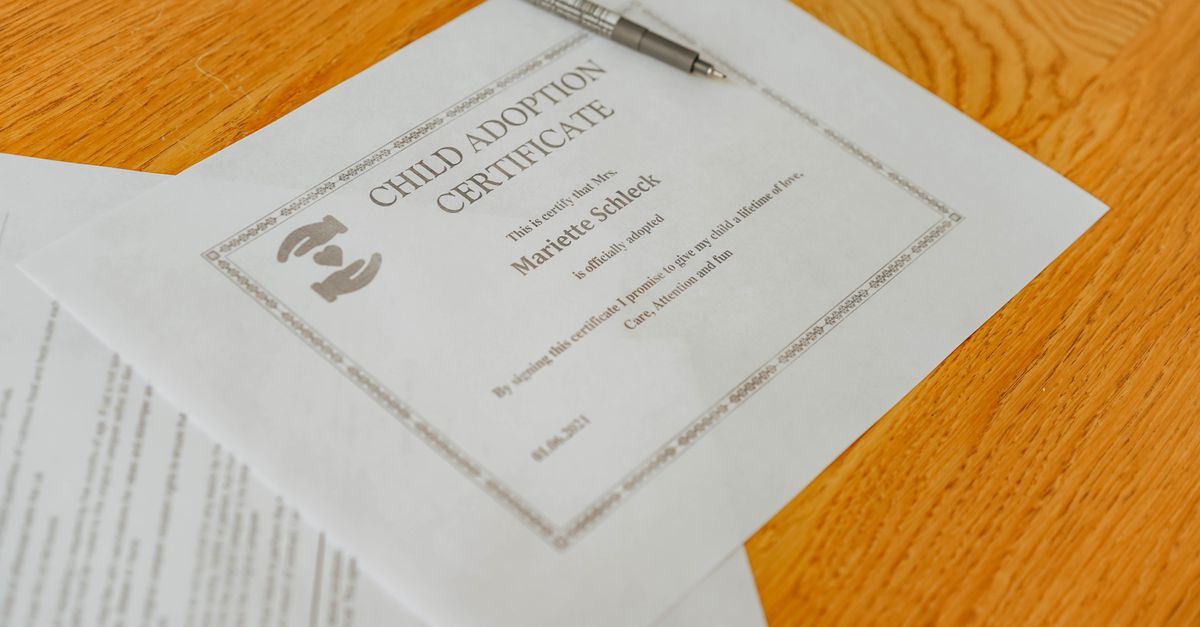
Photo: https://kaboompics.com/ on Pexels · Illustrative image.
Being named as executor of a will sounds simple:
“You deal with everything when I die.”
In practice, it can mean months of work and real legal responsibility.
An executor may need to secure property, find the original will, value assets, deal with Revenue, apply for probate, pay debts and taxes, sell or transfer property, keep estate accounts and finally distribute the estate to the correct beneficiaries.
Quick answer
An executor is the person named in a valid will to administer the deceased person's estate.
Once the role is accepted and the grant issues, the executor acts as the deceased's personal representative. The executor must collect the estate, pay debts and tax, protect the assets and distribute what remains according to the will.
The role carries personal responsibility. Revenue specifically warns that an executor who distributes an estate without settling outstanding tax may have to pay that tax personally.
This guide reflects Irish law and official guidance checked on 5 October 2026.
For the full grant process, read Probate in Ireland: The Complete Guide.
For creating the will itself, see How to Make a Will in Ireland.
What is an executor?
An executor is a person appointed in a will to administer the estate after the testator dies.
The Courts Service uses the wider term personal representative for the person legally responsible for administering an estate.
A personal representative can be:
- an executor named in a will; or
- an administrator where there is no executor able or entitled to act.
An executor normally applies for a Grant of Probate.
Once the grant issues, the executor has the legal authority needed to deal with estate assets that require formal representation.
The executor is not the owner of the estate
The Succession Act provides that the deceased’s property vests in the personal representatives, who hold the estate as trustees for the people legally entitled to it.
That means the executor does not inherit the estate simply because they control it.
They are holding and administering it for:
- beneficiaries;
- creditors;
- the surviving spouse/civil partner where relevant;
- tax authorities;
- and other persons with valid legal claims.
Control comes with duties.
What does an executor actually have to do?
The executor’s job can be broken into seven stages:
- secure the estate;
- identify the will and beneficiaries;
- identify and value assets and debts;
- deal with Revenue and probate;
- collect or realise assets;
- pay debts, expenses and tax;
- distribute the balance and close the estate.
The order matters.
An executor who distributes too early can create personal liability.
1. Secure the estate
Immediately after death, practical protection comes first.
This can include:
- securing the house;
- checking insurance remains valid;
- arranging heating or maintenance if the property is vacant;
- safeguarding valuables;
- protecting vehicles;
- preserving financial records;
- redirecting correspondence where appropriate;
- identifying urgent bills.
An executor should not begin giving possessions away simply because family members agree informally.
Until the estate has been properly identified, even apparently minor assets can form part of the estate.
2. Find the original will
Locate the original will and any codicils.
Possible places include:
- solicitor’s office;
- secure home storage;
- bank safe custody;
- professional document storage.
Do not alter, unstaple or damage the original.
The Probate Office may examine the physical condition of a will, particularly where it looks altered or another document may once have been attached.
3. Check who the executors are
A will can appoint:
- one executor;
- several executors;
- substitute executors.
Not every named executor has to act in every case.
The Courts Service currently supports applications where one executor applies while another’s rights are reserved.
Up to four executors can apply jointly through the Courts Portal for eligible solicitor applications.
Do all executors have to act together?
Not necessarily.
Possible outcomes include:
- all appointed executors prove the will;
- one or more prove while another reserves rights;
- an executor formally renounces.
The correct route depends on the will and circumstances.
If land is being sold or transferred, special rules can apply where only some of several personal representatives are acting.
Can an executor refuse the role?
Yes.
A person named executor can renounce the right to administer the estate.
The Courts Service describes renunciation as formally giving up the right to administer.
A valid renunciation normally means the person cannot later return to the administration unless the Court permits it.
Do not casually act as executor first and try to renounce later.
If a person has already extracted a grant or otherwise intermeddled significantly in the estate, a court order may be needed to obtain liberty to renounce or be removed.
What does “intermeddling” mean?
It broadly refers to acting in a way that amounts to taking on administration of the estate.
Routine compassionate acts immediately after death are not necessarily the same thing as formally administering the estate, but somebody who does not want the role should avoid making major estate decisions before obtaining advice.
Examples of potentially problematic conduct can include:
- disposing of estate assets;
- collecting substantial estate money;
- selling property;
- distributing assets;
- acting publicly as executor.
If you intend to renounce, deal with that early.
What happens if every executor renounces?
The will does not automatically disappear.
Where there is a valid will but no executor able or willing to act, another person may be entitled to apply for a Grant of Administration with Will Annexed.
The will still governs who inherits.
The applicant changes.
4. Identify all estate assets
The executor needs a complete asset schedule.
Typical assets include:
- house;
- land;
- bank accounts;
- credit union accounts;
- investments;
- shares;
- savings products;
- vehicles;
- business interests;
- valuable possessions;
- foreign assets;
- money owed to the deceased.
You also need to identify assets that may pass outside the estate.
Examples can include certain:
- jointly owned assets;
- life policies written in trust;
- pension/death benefits.
Ownership structure matters.
Joint accounts and joint property
Do not automatically include every joint asset as if it were solely owned by the deceased.
Some jointly owned property can pass by survivorship.
Other joint arrangements may still require closer investigation.
The executor needs to establish:
- legal ownership;
- beneficial ownership;
- source of funds where relevant;
- title structure.
This is especially important for unmarried couples and family assets.
5. Identify debts and liabilities
The estate must deal with valid liabilities before beneficiaries receive the residue.
Potential liabilities include:
- mortgage;
- loans;
- credit cards;
- Revenue liabilities;
- overdrafts;
- unpaid bills;
- funeral expenses;
- legal costs;
- administration expenses.
Revenue confirms that administration expenses and relevant liabilities are dealt with before the residue is distributed.
Should beneficiaries be paid before creditors?
No.
Creditors and estate liabilities generally need to be dealt with first.
Section 49 of the Succession Act provides a mechanism allowing personal representatives to advertise for creditors and claimants before distributing.
Where the appropriate notices have been given and the executor distributes after the stated period while taking account of known claims, statutory protection can apply against unknown claims in respect of the assets already distributed.
This does not erase the underlying creditor’s claim against someone who received estate property.
Should an executor advertise for creditors?
In many estates, solicitors consider creditor notices as part of prudent administration.
Whether they are needed in a particular estate depends on the risk of unknown debts or claims.
The important principle is that an executor should not distribute blindly while there may be undiscovered liabilities.
6. Value the estate
The executor needs date-of-death values for relevant assets.
This can require professional valuations for:
- property;
- land;
- business interests;
- shares;
- valuable personal property.
Those values feed into:
- Revenue’s SA.2;
- Probate Office fees;
- estate accounts;
- tax calculations.
A casual estate-agent estimate or an old bank statement may not be enough for a significant asset.
7. Deal with Revenue
Revenue gives personal representatives specific tax duties.
The executor must generally:
- notify Revenue of the death;
- settle outstanding pre-death tax;
- deal with tax refunds due to the estate;
- pay tax on income arising during administration;
- deal with CGT where estate assets are sold at a gain during administration.
This is separate from the beneficiary’s own Capital Acquisitions Tax.
Pre-death tax
The executor must settle the deceased’s outstanding tax affairs up to the date of death.
That may involve:
- Income Tax;
- self-employed returns;
- PAYE refund;
- CGT;
- other outstanding liabilities.
Revenue expressly warns that if the executor distributes the estate without paying outstanding tax, the executor may have to pay that tax personally.
Tax refunds
Personal liability can work the other way too.
Revenue states that if a tax refund is due to the estate and the personal representative fails to claim it, they may have to repay the estate personally.
So the executor’s job is not just paying liabilities.
It includes collecting money owed to the estate.
Income earned during administration
An estate can continue earning income after death.
Examples:
- rent;
- bank interest;
- dividends.
Revenue says the personal representative must deal with Income Tax on estate income during the administration period.
The estate may need to be registered for Income Tax and returns filed until administration is complete.
CGT when an executor sells an asset
There is no CGT simply because a person dies.
But if an executor sells an estate asset during administration and its value has increased since the date of death, CGT can arise on the post-death gain.
Example:
Property value at death: €300,000
Executor later sells: €330,000
The estate may have a CGT issue on the increase, subject to the detailed tax rules and allowable costs.
This is different from transferring the asset directly to a beneficiary.
Beneficiary inheritance tax
The executor may need information for the probate process, but CAT is generally the beneficiary’s tax on what they receive.
The tax outcome depends on:
- relationship group;
- inheritance value;
- earlier taxable gifts/inheritances;
- exemptions and reliefs.
Read Inheritance Tax in Ireland for the beneficiary side.
Estimate the inheritance tax
Inheritance & Gift Tax Calculator
Model a beneficiary's inheritance, CAT group and previous taxable benefits.
8. Complete the probate process
For a modern estate requiring probate, Revenue’s SA.2 Statement of Affairs is generally completed before the Probate Office application.
The executor then applies for the appropriate grant.
For a named executor under a valid will, that is normally a Grant of Probate.
The full process is covered in Probate in Ireland.
Can the executor use a solicitor?
Yes.
Being appointed executor does not mean you personally have to prepare every form.
An executor can instruct a solicitor to handle:
- probate application;
- Revenue paperwork;
- property conveyancing;
- correspondence;
- estate accounts;
- beneficiary distributions.
The executor remains the personal representative.
The solicitor acts professionally on the executor’s behalf.
Can the executor charge for their time?
Not automatically.
A lay executor should not assume they can simply deduct an hourly fee from the estate.
A will can contain a charging clause, especially for professional executors, and professional fees may arise where a solicitor or other professional acts in a professional capacity.
If you expect to charge the estate personally for acting as executor, take legal advice before doing so.
Out-of-pocket estate expenses properly incurred are a different issue.
Can an executor claim expenses?
Reasonable expenses incurred properly while administering the estate can generally be estate administration expenses.
Examples may include:
- postage;
- valuation fees;
- probate fees;
- property insurance;
- necessary travel;
- professional advice;
- legal costs.
Keep evidence.
Do not mix personal expenditure and estate expenditure.
Should an executor open an estate account?
For an estate with material money moving through it, keeping estate funds separate is prudent.
A solicitor handling probate may operate a client account for relevant estate monies.
If administering personally, ask the relevant bank what estate-account facilities are available.
The principle is simple:
estate money should be traceable.
Avoid running large estate receipts and payments through your ordinary personal current account.
Keep estate accounts
Good executors keep records from day one.
Track:
Money in
- bank balances collected;
- sale proceeds;
- refunds;
- rent;
- dividends;
- investment proceeds.
Money out
- funeral costs;
- debts;
- Revenue;
- legal fees;
- insurance;
- valuations;
- repairs;
- estate expenses;
- interim distributions.
Assets transferred
- property;
- shares;
- personal possessions.
At the end, the executor should be able to explain exactly how the opening estate became the final beneficiary distributions.
Do beneficiaries have a right to estate accounts?
Beneficiaries with an interest in the estate can legitimately expect transparency about administration relevant to their entitlement.
The precise legal entitlement to documents depends on circumstances, but an executor who cannot account for estate money is in a very weak position.
Accurate estate accounts protect both beneficiaries and the executor.
Can an executor sell the deceased’s house?
Yes, subject to the will, legal rights and the proper administration of the estate.
Section 50 of the Succession Act gives personal representatives power to sell estate assets, including for:
- paying debts;
- distributing the estate.
Where the sale is for distribution, the statute says the personal representatives should, so far as practicable, give effect to the wishes of adult persons entitled to the property.
That does not mean every beneficiary has a veto over an otherwise lawful sale.
Does the executor need beneficiary permission to sell?
Not always.
The legal power to sell rests with the personal representatives, subject to the will and the law.
But the executor should consider:
- the terms of the will;
- beneficiary interests;
- whether the asset was specifically gifted;
- whether debts require a sale;
- whether appropriation is possible;
- tax;
- market conditions.
A disputed family property is one of the strongest reasons to use a probate solicitor.
Can the executor buy estate property themselves?
This is high-risk territory because an executor is acting in a fiduciary/trustee-like capacity.
Any transaction where the executor personally benefits can create a conflict of interest.
Do not attempt a private self-dealing transaction without specific legal advice and proper beneficiary/court protections where required.
What if beneficiaries disagree?
The executor’s job is not to take a family vote on every decision.
The executor must administer:
- the will;
- the Succession Act;
- court orders;
- valid claims;
- tax law.
However, unnecessary conflict can increase costs and delay.
For disputed assets, get legal advice before taking irreversible action.
Can an executor ignore the will?
No.
The executor’s job is to give effect to the valid will, subject to overriding law.
Examples of overriding legal issues can include:
- spouse/civil-partner legal-right share;
- successful Section 117 claim;
- court order;
- insolvency/creditors;
- tax;
- invalid gift.
Personal preference is irrelevant.
An executor cannot decide:
“Dad really meant to give this to somebody else.”
Can the family agree to change the outcome?
Sometimes beneficiaries may be able to enter into a valid arrangement changing how property is ultimately dealt with.
But that can trigger:
- tax;
- stamp duty;
- CAT;
- CGT;
- legal consequences.
The executor should not invent an informal redistribution.
Get advice before varying estate entitlements.
What is the “executor’s year”?
People often refer to an executor having one year to administer an estate.
That is an oversimplification.
Section 62 of the Succession Act says the personal representatives must distribute the estate as soon as reasonably practicable, taking account of the nature and circumstances of the estate.
It also says proceedings for failure to distribute generally cannot be brought without leave of the court before one year from the date of death.
That does not mean:
- every estate must be completed within one year;
- an executor can do nothing for a year;
- beneficiaries automatically get paid on day 366.
Complex estates can legitimately take longer.
Simple estates should not be delayed without reason.
Can beneficiaries demand their inheritance immediately?
Not simply because the will names them.
Before distribution, the executor may need to:
- obtain the grant;
- identify creditors;
- pay debts;
- resolve tax;
- sell assets;
- resolve claims;
- satisfy legal-right shares;
- trace beneficiaries.
A beneficiary is entitled to proper administration, not instant payment before the executor knows whether the money is safely distributable.
Interim distributions
An executor may sometimes make an interim distribution where enough cash can safely be released while retaining sufficient funds for:
- tax;
- debts;
- expenses;
- claims;
- final administration.
This needs judgement.
Distributing too much too early can leave the executor personally exposed if later liabilities arise.
What personal liability can an executor face?
The executor is not automatically personally responsible for the deceased’s ordinary debts merely because they are executor.
But the executor can become personally exposed through their own mishandling of the estate.
Examples can include:
- distributing before paying known tax;
- failing to collect money owed to the estate;
- misusing estate funds;
- paying beneficiaries ahead of higher-priority liabilities;
- selling assets improperly;
- failing to account;
- negligent administration;
- acting outside their powers.
This is why “I am only doing the family a favour” is not a legal defence to poor administration.
Can creditors sue the executor?
Claims against the estate are dealt with through the personal representative.
Section 62 specifically preserves creditors’ ability to bring proceedings before the expiry of the one-year period.
An executor must therefore treat creditor claims seriously.
What if the estate is insolvent?
If the estate cannot pay all liabilities, do not distribute to beneficiaries.
An insolvent estate has priority rules governing payment of expenses and creditors.
This is not a suitable situation for casual DIY administration.
Get professional advice before paying competing claims.
Can an executor be removed?
Potentially.
Serious disputes about administration can be brought before the court.
Problems can include:
- refusing to act;
- conflicts of interest;
- serious delay;
- mismanagement;
- misappropriation;
- incapacity.
Court applications around executors and grants can become expensive.
Good records and prompt administration matter.
What if the executor dies during administration?
A replacement route may be needed depending on:
- whether other executors proved;
- whether a grant already issued;
- the chain of representation;
- the terms of the will.
The Probate Office has specific grant types for incomplete administrations.
Use a solicitor where an acting executor dies before the estate is fully administered.
What if the executor lives abroad?
An executor living outside Ireland may still be able to act, but practical and procedural issues can arise.
These can include:
- banking;
- identity verification;
- Revenue;
- foreign tax residence;
- probate documentation;
- property transactions.
International estates deserve specialist advice.
Executor versus administrator
The practical duties are similar.
Executor
Named in the will.
Normally obtains a Grant of Probate.
Administrator
Appointed under the legal priority rules where there is no executor able to act.
Normally obtains a Grant of Administration.
Both are personal representatives.
Both must administer the estate correctly.
Executor versus trustee
Sometimes the same person can hold both roles.
An executor administers the deceased’s estate.
A trustee may continue holding assets after administration is complete, for example:
- money for a minor child;
- a life interest;
- a discretionary trust.
The executor role can end while a separate trustee role continues.
Do not assume the two are interchangeable.
Executor checklist
Immediately
- secure property;
- locate original will;
- identify co-executors;
- obtain death certificates;
- notify relevant institutions.
Build the estate schedule
- assets;
- ownership;
- valuations;
- debts;
- joint property;
- insurance;
- pensions;
- business interests.
Revenue and probate
- notify Revenue;
- settle pre-death tax;
- complete SA.2;
- obtain Notice of Acknowledgement;
- prepare Grant of Probate application.
Administration
- collect money;
- protect assets;
- sell/transfer property where appropriate;
- pay liabilities;
- deal with tax;
- retain records.
Distribution
- confirm claims are resolved;
- calculate beneficiary entitlements;
- prepare estate accounts;
- make interim/final distributions;
- retain closing records.
Common executor mistakes
Distributing too soon
The biggest practical risk.
Mixing estate money with personal money
Creates accounting problems and suspicion.
Ignoring Revenue
Tax liabilities do not disappear because somebody died.
Assuming “one year” is an automatic deadline
The legal test is reasonable and proper administration.
Giving away possessions before the estate is valued
Personal items can have monetary or testamentary significance.
Letting a beneficiary pressure the executor
The executor answers to the law and the will, not the loudest family member.
Failing to keep records
Every material payment and receipt should be traceable.
Selling property without considering the will
Specific gifts and beneficiary rights matter.
Renouncing after already administering the estate
Renunciation is much easier before taking substantive action.
Frequently asked questions
What does an executor of a will do in Ireland?
The executor identifies and protects estate assets, deals with Revenue and probate, pays debts and taxes, collects or sells assets, keeps records and distributes the remaining estate according to the will.
Can an executor refuse to act?
Yes. An executor can formally renounce, ideally before intermeddling in the estate. Once a person has significantly acted or obtained a grant, court involvement may be required.
Can an executor be a beneficiary?
Yes. It is common for an executor also to be a beneficiary. The executor must still act properly in administering the whole estate.
Does an executor have one year to distribute the estate?
Not exactly. The Succession Act requires distribution as soon as reasonably practicable. Proceedings for failure to distribute generally cannot be brought without leave before one year from death, but that is not a hard completion deadline.
Can an executor sell a house?
Yes, personal representatives have statutory powers to sell estate assets, including to pay debts or facilitate distribution, subject to the will and other legal rights.
Can an executor be personally liable?
Yes, for their own mishandling. Revenue specifically warns that distributing an estate without paying outstanding tax can make the personal representative personally liable.
Does an executor need a solicitor?
Not in every estate, but professional help is strongly advisable where there is property, tax complexity, disputes, foreign assets, business interests, insolvency or unclear beneficiary rights.
Can an executor take money for doing the job?
A lay executor should not assume they can charge the estate simply for their time. Professional charging clauses and reimbursable expenses are separate issues.
The Compound wills, probate & inheritance cluster
Use these guides together:
- How to Make a Will in Ireland
- What Happens If You Die Without a Will in Ireland?
- Probate in Ireland: Complete Guide
- Executor of a Will in Ireland — this page
- Inheritance Tax in Ireland
Next useful satellites include:
- Probate Costs & Fees in Ireland;
- How Long Probate Takes;
- Applying for Probate Yourself vs Using a Solicitor;
- Spouse & Civil Partner Legal Right Share;
- Children and Section 117 Claims;
- How to Find a Will / Search the Probate Register;
- Inheriting a House in Ireland.
The bottom line
An executor is not simply the person who “sorts out the paperwork”.
They are the legal personal representative responsible for administering somebody else’s estate.
The safest order is:
protect → identify → value → obtain authority → pay liabilities → account → distribute.
If you keep that order, keep proper records and get advice before taking irreversible steps, the role is manageable.
If you distribute first and investigate later, the executor can turn an estate problem into a personal problem.