Rent-a-Room Relief Could Rise to €20,000 in Budget 2027
A reported Budget 2027 proposal could raise Ireland’s Rent-a-Room tax-free threshold to as much as €20,000 for homeowners making multiple rooms available. Here is what is being considered — and what the law still says today.
 News / Wealth
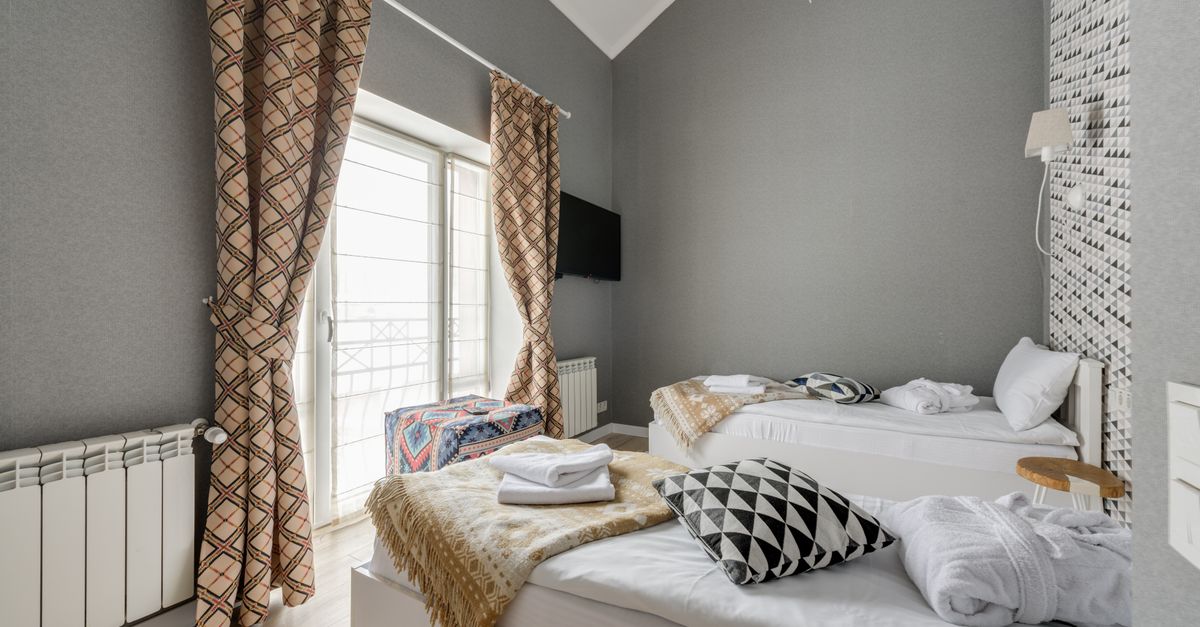
Photo: Max Vakhtbovych on Pexels · Illustrative image.
News analysis · 23 September 2026. The €20,000 figure discussed below is a reported Budget 2027 proposal. Revenue's current published Rent-a-Room Relief limit remains €14,000.
Ireland’s Rent-a-Room Relief could be expanded in Budget 2027, with a reported proposal allowing some homeowners who make multiple rooms available to earn up to €20,000 a year tax-free.
The proposal is understood to be aimed particularly at increasing student accommodation from bedrooms that already exist inside occupied homes.
The key point for homeowners today is simple:
Nothing has changed yet.
Revenue’s current published threshold remains €14,000 a year in gross qualifying income.
If qualifying gross Rent-a-Room income exceeds that limit, the current rules do not simply tax the excess. Revenue says the entire amount becomes taxable.
Revenue: current Rent-a-Room qualifying conditions.
Because this is a Budget proposal rather than a current rule, keep the existing €14,000 threshold separate from speculation. Compound’s Budget 2027 tracker follows the final decision, while our tax credits guide explains how this relief differs from a tax credit.
What is being proposed?
Reporting on 23 September says Higher Education Minister James Lawless is pushing for a change that could increase the tax-free ceiling to as much as €20,000 for homeowners who rent more than one room.
The reported model would not necessarily be a blanket €20,000 allowance for every person renting a room.
Instead, the additional relief could be linked to the number of rooms made available.
That would make the proposal more directly targeted at homeowners who can provide accommodation to multiple students or lodgers.
Classic Hits report on the €20,000 proposal.
The Taoiseach had already confirmed that the Government was considering an expansion of the scheme, describing Rent-a-Room Relief as a measure that had helped bring more student accommodation onto the market.
Irish Times: Rent-a-Room expansion under consideration.
RTÉ has also reported that increasing the relief available and/or the number of rooms covered is among the measures being discussed ahead of Budget 2027.
What are the rules today?
Under Revenue’s current rules, Rent-a-Room Relief can exempt up to €14,000 of gross annual qualifying income.
The €14,000 figure is a threshold, not a tax-free band.
| Gross qualifying Rent-a-Room income | Current treatment |
|---|---|
| €12,000 | Can qualify for full Rent-a-Room Relief if the other conditions are met |
| €14,000 | Can qualify for full relief |
| €14,001 | Threshold exceeded — the full amount becomes taxable under the normal rules |
| €18,000 | Currently above the exemption limit |
Revenue also says qualifying Rent-a-Room income is exempt from:
- Income Tax;
- PRSI; and
- USC.
Why the €20,000 proposal could matter
A €20,000 annual threshold is equivalent to approximately €1,667 a month in combined gross qualifying income.
If two rooms were rented throughout the year, that would average about €833 per room per month.
If three rooms were rented throughout the year, it would average about €556 per room per month.
Those figures are illustrations, not suggested rents.
The important feature is the combined threshold.
Under today’s €14,000 rule, renting more than one room can push a homeowner through the exemption ceiling relatively quickly.
A higher threshold specifically for multiple rooms could therefore change the economics of taking a second lodger.
The current cliff edge is unusually important
Consider a homeowner receiving exactly €14,000 of qualifying gross Rent-a-Room income.
If all the conditions are satisfied, that income can be exempt.
Now increase the gross amount by €1.
At €14,001, Revenue’s current rule means the person is no longer entitled to the relief for that income and the total becomes taxable, with the normal rental-income rules then becoming relevant.
That makes the threshold much more significant than an ordinary tax band.
Moving the threshold to €20,000 for qualifying multi-room lettings could therefore protect several thousand euro of additional income from crossing that cliff edge.
Not every room rental qualifies
An increased threshold would not automatically make every type of short-term letting tax free.
Revenue’s current conditions require the room or rooms to be in a qualifying residence.
The property must be in Ireland and must be the individual’s sole or main residence during the relevant tax year.
The relief can apply to a self-contained unit attached to the home, such as a qualifying basement flat or converted attached garage.
A detached unit does not qualify merely because it is on the same property.
Revenue: qualifying residence.
Short-term tourist accommodation is excluded
Revenue specifically excludes income from short-term guests, including typical accommodation booked through online booking platforms.
The general rule also requires a minimum continuous letting period of more than 28 days.
There are exceptions for certain non-tourist residential arrangements, including:
- full-time or part-time students;
- language students;
- respite care;
- and four-day-a-week digs.
That makes student accommodation particularly relevant to the policy discussion.
You still have to declare exempt income
Tax-free does not mean that the income disappears from the tax system.
Revenue says people claiming Rent-a-Room Relief must still enter the exempt amount on their Income Tax Return.
PAYE taxpayers generally do this through myAccount using Form 12.
Self-assessed taxpayers use Form 11 through ROS.
Revenue: claiming Rent-a-Room Relief.
Would €20,000 increase the supply of rooms?
That is the policy objective behind the reported proposal, but the eventual effect is uncertain.
Ireland already has bedrooms sitting unused in owner-occupied homes.
Bringing some of that capacity onto the market has one obvious advantage:
it can create accommodation without waiting for a new apartment block or student residence to be built.
But tax is only one reason a homeowner may decide not to rent a room.
Other considerations include:
- privacy;
- sharing kitchens and bathrooms;
- insurance;
- household bills;
- compatibility with a lodger;
- security;
- and the practical responsibilities involved.
A higher exemption may make the arrangement more attractive at the margin, particularly for someone considering renting a second room.
Whether it produces a large increase in supply will depend on how the final scheme is designed and how homeowners respond.
What homeowners should do now
Do not plan on a €20,000 exemption yet.
The current Revenue rule remains €14,000.
Until Budget 2027 and any subsequent legislation confirm a change, homeowners should calculate their tax position using the existing threshold.
The proposal is nevertheless worth watching because a multi-room structure would be a meaningful change to how Rent-a-Room Relief currently operates.
If introduced as reported, it could shift the scheme from a general spare-room incentive toward a more explicit attempt to unlock multiple bedrooms within existing homes.
The current position versus the reported proposal
| Current rule | Reported proposal | |
|---|---|---|
| Tax-free ceiling | €14,000 | Potentially up to €20,000 |
| Who gets higher ceiling? | Not applicable | Reportedly linked to making multiple rooms available |
| Status | Current Revenue rule | Under consideration for Budget 2027 |
| Exceeding threshold | Full qualifying income becomes taxable | Final design not yet confirmed |
The final Budget measure could differ from what is currently being discussed.
Until it is announced and legislated, €14,000 remains the number that matters for tax purposes.
Related Compound guides
For the wider measures still being negotiated, follow the Budget 2027 tracker. Homeowners considering whether extra room income could change their mortgage position can also model repayments with the Mortgage Calculator or test overpayments with the Mortgage Overpayment Calculator.