Ireland has a new five-year sepsis strategy — here are the warning signs the HSE wants people to know
The HSE has launched a new five-year strategy on sepsis, focused on prevention, earlier recognition, faster treatment and better support for survivors. Here is what people in Ireland should know.
 News / Health
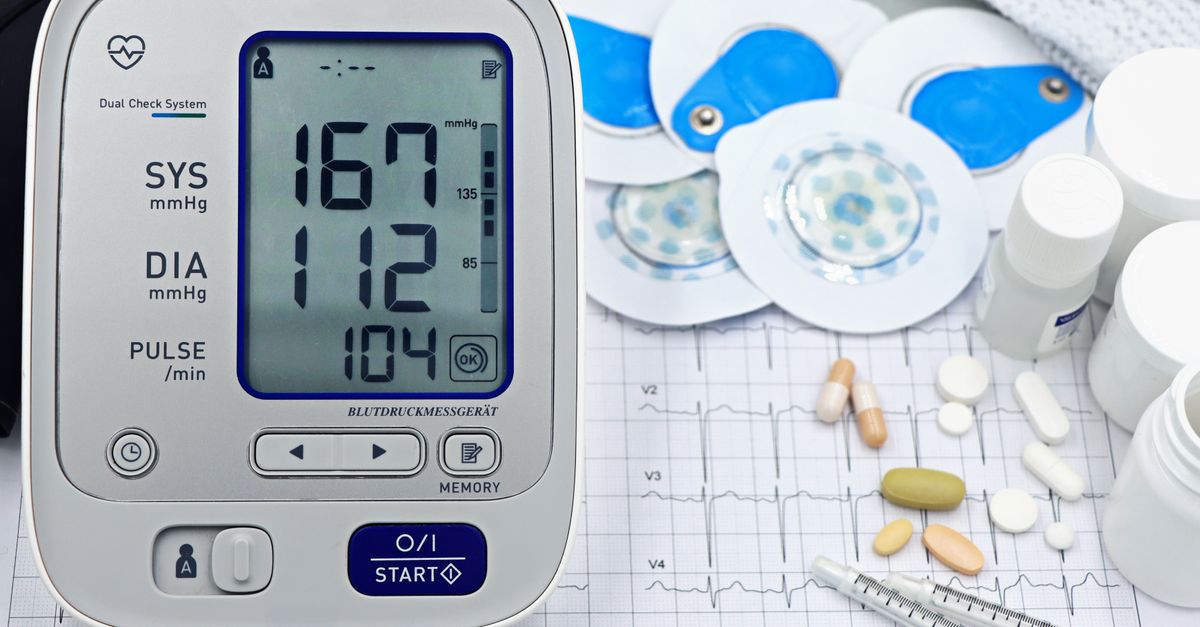
Photo: RDNE Stock project on Pexels · Illustrative image.
News analysis · 22 September 2026. Sepsis is a medical emergency. If you think you or someone else may have sepsis, follow HSE emergency guidance rather than relying on an online article.
Ireland has launched a new national strategy aimed at reducing the harm caused by sepsis, with the HSE promising a stronger focus on prevention, earlier recognition, treatment and long-term support for survivors.
The five-year plan, Action on Sepsis 2026–2030, covers adult, maternity, paediatric and community services.
It matters because sepsis can develop quickly and can be difficult to recognise.
A person may begin with what looks like an ordinary infection and then deteriorate rapidly as the body’s response to that infection begins damaging its own organs and tissues.
The central message from the HSE is straightforward:
Early recognition and treatment can save lives.
How common is sepsis in Ireland?
The most recent HSE release says there were almost 12,000 cases of sepsis and septic shock in Irish hospitals last year, with a reported mortality rate of 21.2%.
RTÉ’s coverage of the strategy launch reported that around 15,000 cases are diagnosed in Ireland each year and that sepsis causes roughly 3,000 deaths annually.
Those figures should not be treated as perfectly interchangeable. They can reflect different datasets, definitions or reporting periods.
But they point in the same direction:
sepsis remains a major cause of serious illness and death in Ireland.
The HSE describes it as one of the most significant patient-safety challenges facing the health system.
What exactly is sepsis?
Sepsis is not simply “a bad infection”.
It is a life-threatening complication of infection.
Normally, the immune system fights infection in a controlled way.
In sepsis, the body’s response becomes dysregulated and can begin injuring its own tissues and organs.
Without rapid treatment, sepsis can progress to organ failure, shock and death.
The HSE emphasises an important point:
sepsis cannot develop without an infection.
But the original infection may be in different parts of the body and may not always seem severe at first.
That is one reason sepsis can be difficult to spot.
The warning signs in adults
The HSE uses the word SEPSIS as a memory aid for some of the major warning signs in adults, including maternity patients.
The signs include:
- S — Slurred speech, new confusion, severe drowsiness or being too sick to communicate
- E — Extreme shivering, muscle aches or fever
- P — Passing very little or no urine
- S — Shortness of breath, very fast breathing, blue-tinged lips, a racing heart or dizziness
- I — A feeling that something is seriously wrong
- S — Mottled or discoloured skin, or a rash that does not fade when pressed
The HSE also advises urgent action when a person with an infection is getting worse rather than better.
The important point is that someone does not need to have every symptom.
When should you call 112 or 999?
The HSE advises calling 112 or 999, or going to an emergency department, if an adult or older child who has had an infection develops serious signs such as:
- new confusion or slurred speech;
- difficulty breathing or very fast breathing;
- blue or bluish lips;
- fainting or loss of consciousness;
- cold, clammy or pale hands and feet;
- a major reduction in urination;
- severe muscle or leg pain;
- a non-blanching rash;
- or significant deterioration despite already being unwell.
The HSE’s advice is deliberately cautious because sepsis can progress quickly.
If you are worried that someone with an infection is deteriorating, do not wait for a complete checklist to appear.
What about babies and young children?
Sepsis can look different in babies and young children.
The HSE advises emergency help if a baby or child under five has an infection and develops signs including:
- blue, pale or blotchy skin, lips or tongue;
- a rash that does not fade when pressed;
- extreme sleepiness or difficulty waking;
- unusually cold skin;
- no urine or wet nappy for more than 12 hours;
- very fast breathing;
- fits or convulsions;
- or a weak, unusual high-pitched cry.
Parents are also advised to seek urgent medical advice for concerning early signs such as poor feeding, repeated vomiting, breathing difficulty, abnormal temperature, reduced responsiveness or simply when the child is clearly not themselves and the parent is worried.
Sepsis symptoms in children can overlap with many other illnesses.
That uncertainty is precisely why worsening illness should not be dismissed.
Who is most at risk?
Anyone with an infection can develop sepsis.
But the HSE identifies several groups at higher risk, including:
- babies under one year;
- people over 75;
- people who are frail;
- people with weakened immune systems;
- people receiving chemotherapy or radiotherapy;
- people who have recently had surgery;
- people who have recently been seriously ill;
- people with chronic kidney, heart, liver or lung disease;
- people taking medicines that suppress the immune system;
- people with antibiotic-resistant bacterial infections;
- and women who have recently been pregnant, including after birth, miscarriage or termination.
Higher risk does not mean sepsis is inevitable.
It means healthcare professionals and families may need a lower threshold for concern when infection is followed by deterioration.
Why pregnancy and the post-partum period matter
The new strategy explicitly includes maternity care.
Pregnancy and the weeks following pregnancy can change how infection presents and how quickly someone becomes unwell.
Maternal sepsis can occur during pregnancy, after birth, or after pregnancy loss.
The HSE’s maternity sepsis messaging uses the same core warning signs as for other adults, including confusion, extreme shivering, reduced urination, breathlessness, racing heart, severe deterioration and mottled skin.
The practical message is not that pregnant or recently pregnant women should assume every infection is sepsis.
It is that rapid deterioration after an infection deserves urgent assessment.
What is the new five-year strategy trying to change?
The HSE says the 2026–2030 strategy is a system-wide plan built around four broad priorities:
1. Prevention
Preventing infection reduces the opportunity for sepsis to develop.
The strategy highlights measures including vaccination, infection prevention and better identification of people at higher risk.
2. Earlier recognition
One of the central problems with sepsis is that symptoms can resemble other illnesses.
The HSE plans to improve public awareness and professional recognition so deterioration is identified sooner.
This includes education for both healthcare workers and the public.
3. Faster and better treatment
Once sepsis is suspected, speed matters.
The strategy aims to improve how sepsis is identified and managed across hospitals, maternity services, paediatrics, primary care and community settings.
4. Better support after survival
Survival is not always the end of the problem.
Sepsis can leave people with significant physical and psychological effects, rehabilitation needs and long-term disability.
The HSE says survivor support is therefore a specific part of the new strategy rather than an afterthought.
The human impact can be severe
The strategy launch included the story of Sophie Lanigan, who developed sepsis after a bacterial infection in December 2022.
Her condition deteriorated within 24 hours.
She required intensive treatment, including ventilation and blood transfusions.
The medication needed to save her life resulted in severely reduced blood flow to her hands and feet, and all four limbs were later amputated.
Her experience is an extreme outcome and should not be read as representative of every sepsis case.
But it illustrates why the HSE is placing so much emphasis on recognition, treatment and support for survivors.
Why sepsis is easy to miss
One of the biggest difficulties is that early symptoms are not unique to sepsis.
Fever, shivering, vomiting, feeling weak, headache or changes in breathing can occur in many infections.
Some people do not present with a dramatic fever.
People who are immunocompromised may also show fewer of the usual signs of infection.
This means the pattern of deterioration can matter as much as any single symptom.
A person who was managing an infection but is becoming much more confused, breathless, weak, drowsy or generally unwell deserves urgent assessment.
Prevention is not just about hospitals
The HSE’s strategy also emphasises prevention before someone reaches hospital.
Routine vaccination can prevent infections that might otherwise lead to serious complications.
Good infection prevention, appropriate antibiotic use and early management of serious infections can all reduce risk.
The strategy also recognises that sepsis awareness needs to extend into community and primary care, not just emergency departments and intensive-care units.
That is especially important because many people first seek help through a GP, out-of-hours service or community setting.
The public-health challenge is recognition without panic
There is a difficult balance in communicating about sepsis.
Most infections do not become sepsis.
If every fever or chest infection were treated as sepsis, the message would become meaningless.
But sepsis is dangerous precisely because serious deterioration can initially resemble ordinary illness.
The useful public message is therefore not:
“Every infection is an emergency.”
It is:
“Know the warning signs, watch for deterioration, and act quickly when someone is becoming seriously unwell.”
That is also why the HSE’s guidance repeatedly tells people to trust their instincts when someone seems significantly different from normal.
What to remember
The new national strategy will run from 2026 to 2030.
Its success will ultimately depend on measurable improvements in prevention, recognition, treatment and outcomes.
For the public, however, the most immediately useful information is simpler.
Sepsis starts with infection.
It can progress quickly.
It can affect people of any age.
And if someone with an infection becomes confused, severely breathless, unusually drowsy, stops passing urine, develops mottled or blue skin, collapses, or is clearly deteriorating, urgent medical assessment is warranted.
The HSE’s emergency guidance is clear: call 112 or 999 or go to an emergency department when serious warning signs are present.
This article is for general information and does not diagnose sepsis. If you are worried about a serious or rapidly worsening illness, follow HSE emergency guidance or seek urgent medical care.